
Are you prepared for one of the most significant state pension increases in recent years? With the UK’s state pension set to surge in 2026, many retirees and future claimants are wondering what this means for them.
Whether you’re approaching retirement or already drawing your pension, this change could directly affect your income, tax situation and long-term financial planning.
The rise, driven by the government’s triple lock policy, ensures pensions will rise by the highest of wage growth, inflation, or 2.5 percent. In 2026, wage growth takes the lead, resulting in a 4.8 percent increase.
But how does that translate into weekly and annual figures? More importantly, who will actually benefit most from this uplift? In this guide, you’ll discover exactly how much you could receive, how to qualify, potential tax implications, and what the future might hold for the pension system.
Why Is the State Pension Set to Surge in 2026?

The upcoming increase in the UK state pension for 2026 is primarily driven by the triple lock guarantee, a government commitment that ensures pensions keep pace with the cost of living. Each year, the state pension rises based on whichever is highest, inflation (measured by the Consumer Prices Index), average wage growth, or 2.5 percent.
For April 2026, average wage growth between May and July 2025 was the strongest at 4.8 percent, outpacing the CPI inflation figure of 3.8 percent. That means pensioners will benefit from a 4.8 percent rise in their payments, subject to final confirmation during the Autumn Budget.
This system was introduced in 2010 to protect pensioners from the effects of inflation and ensure their incomes don’t fall behind the working population.
As a result, the state pension has consistently risen, though the rising costs have sparked debates about its long-term affordability. This increase is now set to significantly raise incomes for millions of retirees.
How Much Will You Get from the 2026 State Pension Rise?
Thanks to the 4.8 percent increase, your state pension income will receive a noticeable boost starting in April 2026. The exact amount you’ll receive depends on whether you’re receiving the new state pension (post-April 2016 retirees) or the old basic state pension (pre-April 2016 retirees).
New State Pension Rise: From £230.25 to £241.30 Per Week
If you qualify for the full new state pension, your weekly payment will rise from £230.25 to £241.30, which adds up to around £12,548 a year, compared to £11,973 in 2025–26. This represents an annual increase of £574.60.
Old Basic State Pension Rise: From £176.45 to £184.90 Per Week
For those receiving the older scheme, the weekly payment will go from £176.45 to £184.90, leading to an annual pension of approximately £9,614.80, up from £9,175.40. This is a smaller cash increase of £439.40, but still impactful.
These increases follow the same triple lock formula and reflect similar growth seen in previous years.
Annual Increases Are Broken Down in a Comparison Table
| Pension Type | 2025/26 Weekly | 2026/27 Weekly | Annual Increase |
| New State Pension | £230.25 | £241.30 | £574.60 |
| Old Basic Pension | £176.45 | £184.90 | £439.40 |
These figures are calculated using the latest wage growth data and are set to be confirmed in the upcoming government budget. If you’re unsure which pension you’re eligible for, it’s worth checking your forecast on Gov.uk. Understanding which scheme you fall under will help you plan effectively for this increase and assess your future income accurately.
Who Qualifies for the Full State Pension in 2026?

To benefit from the full state pension surge in 2026, you need to meet specific criteria related to your National Insurance (NI) record and the type of pension scheme you’re in.
You must have:
- At least 10 qualifying years of National Insurance contributions are required to receive any state pension
- A full 35-year NI record to receive the maximum new state pension
- Earned credits if you were a carer, on maternity leave, receiving Jobseeker’s Allowance, or in approved training
If you reached state pension age before April 6, 2016, you’re on the basic state pension and may have additional earnings-related entitlements like SERPS. If you reached it after that date, you’re eligible for the new state pension.
For example, if you worked full-time for 30 years but took time off to raise children, you could qualify for additional years through NI credits. Similarly, if you lived abroad but paid voluntary NI contributions, those years might count.
Your exact entitlement depends on your individual NI record, career breaks, and any periods where you “contracted out” of pension schemes. Checking your pension forecast can help clarify where you stand.
What Is the Triple Lock and How Does It Affect You?
The triple lock is a policy designed to protect your pension’s value by ensuring it keeps pace with the cost of living.
Under this rule, the state pension increases each April by the highest of three factors:
- Wage growth
- Inflation (CPI as of the previous September)
- A flat rate of 2.5 percent
In 2026, wage growth hit 4.8 percent, making it the deciding factor for the pension rise. The inflation rate was slightly lower at 3.8 percent, while 2.5 percent remains the minimum guarantee.
The triple lock was first introduced in 2010 and has since significantly increased pension payments. For example, in 2024, retirees saw an 8.5 percent rise due to strong wage growth. This followed a 10.1 percent boost in 2023, driven by inflation.
However, this policy comes at a cost. With pensions funded through current taxes, critics argue it’s becoming a financial strain on the Treasury. Despite concerns, the government has so far pledged to uphold it, especially under political pressure from older voters.
Will You Pay Tax on Your State Pension from 2027?
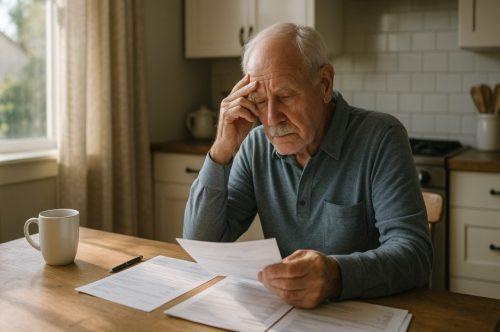
With the full state pension set to surge in 2026, many pensioners may find themselves crossing into the taxable income bracket by 2027. This is because the personal allowance, the amount of income you can earn before paying income tax, has been frozen at £12,570 until 2028.
From April 2026, the full new state pension will rise to £12,548 annually. This puts it just £22 below the tax-free threshold. If the pension rises again in 2027 by even the minimum 2.5 percent, it will exceed the personal allowance, meaning you’ll begin paying income tax even if you have no other income.
Financial experts, including Martin Lewis, have raised concerns that this shift could bring millions of pensioners into the tax net for the first time. Without any government intervention, such as unfreezing the personal allowance, this change could reduce the real-world benefit of future pension increases for many.
How Can You Boost Your Pension Before 2026?
If you’re not eligible for the full state pension in 2026, there are several ways you can increase your entitlement before the change takes effect.
You can:
- Buy additional National Insurance years to fill any gaps in your record
- Apply for NI credits if you’ve cared for children under 12, were on certain benefits, or were a carer
- Use the Gov.uk state pension forecast tool to see how much you’re on track to receive
For example, if you discover you’ve only paid for 31 years, you can buy up to four additional years, each costing around £800. According to MoneySavingExpert, this could increase your annual pension by up to £275 per year, a valuable long-term return.
Many people are unaware that childcare, unemployment, and caring for family can count toward NI contributions through credits. Taking action now could make a real difference to your income when the 2026 surge comes into effect. Planning ahead could help you maximise the benefits of this rise.
What’s Next? Is the Triple Lock Sustainable?

The future of the triple lock policy remains uncertain, despite its immediate benefit in raising pensions for 2026. As the UK population ages and more individuals begin claiming pensions, the cost to the government continues to climb. According to official figures, state pensions already cost around £137.5 billion a year, making it one of the most expensive public policies.
Critics argue that the system is becoming intergenerationally unfair, as it’s funded through taxes paid by today’s workers. With average pension payments set to exceed the tax-free allowance, the government faces a tough decision: either unfreeze the allowance or reform the triple lock, both politically sensitive moves.
Despite concerns, the Labour government has so far resisted calls to abandon the triple lock, given its popularity with older voters. However, future changes may be inevitable, especially as the system’s cost rises and pressure builds around fiscal responsibility.
Conclusion
As the state pension surges in 2026, many pensioners will welcome the extra income, especially in the face of ongoing living costs. A 4.8 percent rise, driven by the triple lock’s wage growth measure, will raise weekly payments and bring the full new pension just shy of the personal tax threshold.
While this rise offers short-term financial relief, it’s essential to think ahead. For many, 2027 could be the first year they owe income tax on their pension. Ensuring you’re eligible for the full amount, and exploring ways to increase your entitlement, is more important than ever.
Understanding how the triple lock works, staying updated on government policy, and planning your finances accordingly will help you make the most of your retirement. As debates around pension affordability continue, staying informed will ensure you’re not caught off guard by future changes.
FAQs
What is the difference between the old and new state pension?
The old state pension applies to those who retired before April 6, 2016, and may include SERPS. The new state pension is for those retiring after that date and requires 35 qualifying years of National Insurance.
How do I check how many National Insurance years I have?
You can check your record on the official government website using the State Pension forecast tool. This service shows how many years you’ve paid and whether you’re eligible for the full amount.
Will the state pension age increase after 2026?
Yes, the state pension age is already set to rise from 66 to 67 between 2026 and 2028. Further increases to age 68 are planned for future decades.
Can I claim state pension automatically at 66?
No, you must actively claim it, even if you’re eligible. The government will send you an invitation letter a few months before you reach pension age.
Is my spouse’s pension transferable if they die?
It depends on their pension type and your own entitlements. The new state pension generally does not allow full transfer of payments to a surviving spouse.
Why is the triple lock policy controversial?
It guarantees pension increases but puts a growing strain on public finances. Some critics argue it’s unfair to working taxpayers who fund it.
Is it worth buying extra National Insurance years?
Yes, especially if you’re close to qualifying for the full pension. Buying missing years can provide long-term returns by boosting your annual payments.