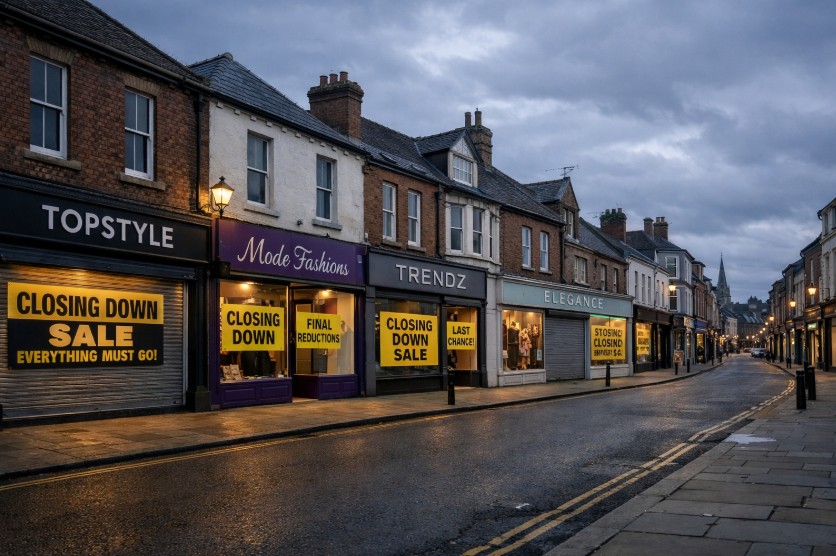
Have you noticed familiar fashion stores vanishing from your local high street? You’re not alone. Across the UK, major clothing retailers are closing dozens of stores, triggering concern about the future of British retail. Once-thriving high street brands like River Island and New Look are now scaling back operations dramatically, leaving empty shopfronts in their wake.
The closures aren’t just about fashion brands disappearing. They represent a deeper shift in consumer behaviour, business costs, and the evolution of shopping habits across the country. With economic pressures mounting and online alternatives thriving, physical retail is being redefined faster than ever before.
In this blog, we explore the causes, key closures, affected areas, and what the changing face of the UK high street means for you as a shopper and community member. Let’s dive into the heart of this transformation and find out what’s really happening behind the closed doors.
What’s Causing the UK High Street Clothing Store Closure Crisis?
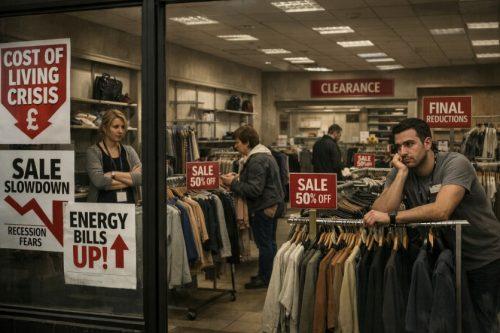
The UK high street clothing store closure crisis is the result of a complex mix of financial strain, evolving consumer habits, and industry-wide changes. One of the biggest driving factors is the sharp decline in foot traffic. As more people turn to the convenience of online shopping, physical stores struggle to maintain profitability.
Increased rent, high energy prices, and labour costs have further worsened the situation. Brands like River Island have explicitly cited these operational challenges as unsustainable, with reduced in-store sales making it difficult to meet ongoing expenses. The post-pandemic retail climate also saw disrupted supply chains, which added to logistical and cost pressures.
Beyond economics, a highly competitive retail landscape has made survival tough. Newer, faster online brands are attracting consumers with speed, variety, and better deals. All these forces combined have created a storm that many traditional fashion retailers are now struggling to weather, prompting widespread closures.
Which Fashion Retailers Are Shutting Down in the UK and Why?
Several household-name fashion retailers in the UK have recently announced large-scale closures, signalling the seriousness of the retail crisis.
- River Island is closing 33 stores by early 2025 and restructuring rent on 71 others. This follows a High Court-approved plan to avoid administration and improve financial stability.
- New Look is among the brands shutting down stores this year, as part of ongoing cost-cutting measures.
- Another unnamed fashion chain is conducting a final clearance sale with discounts up to 70 percent as it shuts 41 stores.
These closures are not isolated events. They reflect mounting financial issues, including reduced in-store purchases, growing competition from e-commerce platforms, and rising overhead costs.
River Island’s CEO Ben Lewis described it as a strategic move to reshape their store network to better suit changing customer needs. These brands, which were once high street cornerstones, are adapting drastically in an effort to survive amid a dramatically shifting retail environment.
List of Affected Cities and Regions
Closures are happening across nearly every part of the UK, affecting both large cities and smaller towns. River Island’s decision to close 33 stores includes locations in England, Scotland, Wales, and Northern Ireland.
While full closure lists vary by brand, the following regions are confirmed to be impacted in 2025:
| Region | City/Town | Brand Affected |
| South West England | Barnstaple | River Island |
| Scotland | Kilmarnock | River Island |
| Wales | Wrexham | River Island |
| Northern Ireland | Lisburn | River Island |
| Greater London | Multiple branches | New Look, River Island |
| Midlands | Various towns | Multiple brands |
Each closure has a ripple effect on local retail zones, especially in places where the store was an anchor attraction. In areas like Barnstaple and Kilmarnock, the store closures are more than just a loss of shopping options, they signal a downturn in regional retail health.
The pattern shows a nationwide contraction that is not limited to one specific region or income bracket. It’s an all-encompassing shift that will reshape the UK’s high street identity across urban centres and local communities alike.
How Are Store Closures Affecting the UK’s Retail Workforce?
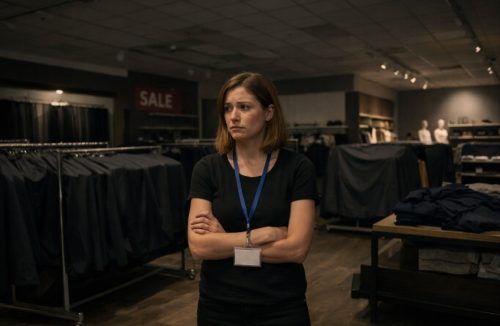
The closure of fashion stores on the UK high street is taking a significant toll on retail workers. River Island alone employs around 5,500 staff, and while not all will be impacted, dozens of store shutdowns will inevitably lead to job losses.
- Many retail employees are facing uncertain futures, especially in areas with few alternative employers.
- Seasonal employment opportunities, typically on the rise during Christmas, are noticeably lower this year.
- Retail workers are reporting lower morale and increased stress, unsure if their store is next.
These closures have broader implications beyond the immediate job market. Retail has traditionally been a major employer, especially for younger workers and part-time job seekers.
With fewer high street options, workers are being pushed towards the gig economy or forced to retrain. If the trend continues, the UK may see long-term shifts in employment patterns that mirror the retail transformation, leaving fewer entry-level opportunities in physical stores.
Are UK Consumers Abandoning the High Street for Good?
The ongoing store closures point to a deeper trend, consumers are increasingly turning their backs on traditional high street shopping. Online retail has not just gained popularity; it has become the norm for many.
Whether it’s for convenience, broader product selections, or price comparisons, shoppers are choosing digital options over in-person experiences.
River Island’s decline in footfall is a reflection of this behavioural change. Despite efforts to improve in-store offerings, the migration to online shopping platforms continues. This isn’t just about technology, it’s also about changing lifestyles.
With the cost of living crisis, time constraints, and growing dependence on mobile devices, consumers are rethinking how and where they shop.
While some still value physical stores for trying on clothes or instant purchases, the balance has tipped. The current trend indicates that unless high street retailers find compelling ways to attract footfall, consumer habits will continue to drift toward digital-first shopping.
What Does the Future Hold for UK High Street Fashion Stores?
Looking ahead, the future of UK high street fashion retail appears uncertain but not entirely bleak. Brands like River Island are actively restructuring their operations to stay relevant. By reducing physical store counts and investing in digital transformation, retailers are adapting to changing consumer behaviour.
The key to future survival lies in hybrid strategies that merge online convenience with unique in-store experiences. Some stores may evolve into collection points, offer styling sessions, or integrate more tech-driven personalisation.
However, not every brand will be able to make this leap. Smaller retailers and legacy stores may struggle to compete against fast-paced digital-first competitors. Town centres, especially in less populated areas, may continue to see more store fronts shuttered.
Despite these challenges, there remains an opportunity for reinvention. Retailers that focus on agility, customer experience, and community engagement may find a new way forward in a post-high-street era, but it will take bold moves and fast decisions.
Is There a Way Forward for High Street Clothing Retail in the UK?
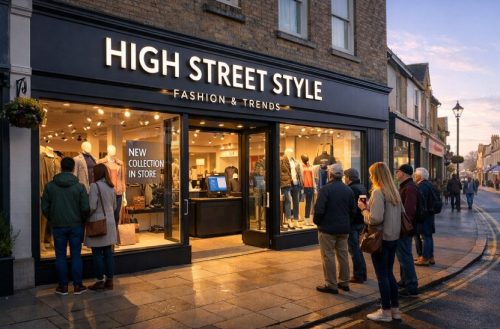
There is still a path forward for UK high street fashion, though it will require significant adaptation and innovation.
- Retailers need to reimagine store formats by downsizing and turning them into multi-purpose hubs.
- Embracing omni-channel shopping that blends online browsing with in-store pickups can help.
- Brands should focus more on experiential shopping, creating events, limited collections, and styling experiences to bring people in.
- Collaborations with local communities and councils may offer financial or strategic support for retaining footfall.
- Leveraging data to better understand customer needs will be essential for survival.
River Island’s CEO stated their aim is to realign their estate to meet evolving customer expectations. This shows that some retailers are ready to meet the challenge head-on. The ones that survive will be those that anticipate shifts rather than react to them. With creativity and investment, high street fashion retail can transition into a modern, competitive sector with its own distinct role in British shopping culture.
UK High Street Clothing Store Closure Table (2025 Overview)
Understanding the scale of the UK high street clothing store closure situation is vital for grasping how widespread the changes are.
Based on 2025 developments, here is a snapshot of the major brands involved, the number of stores affected, and a few key locations:
| Brand | No. of Stores Closing | Key Locations Affected | Closure Strategy |
| River Island | 33 | Barnstaple, Wrexham, Kilmarnock, Lisburn | Rent restructuring, cost-cutting, High Court plan |
| New Look | Ongoing closures | Across UK cities | Downsizing amid financial pressure |
| Unnamed Chain | 41 | Various high streets across UK | 70 percent off final clearance sales |
These figures reflect the immediate closures confirmed for 2025. However, additional shutdowns may follow depending on market response and economic conditions. Retailers are increasingly relying on online channels and new store strategies to remain competitive.
The UK’s retail map is evolving rapidly, and these closures are just the beginning of a larger trend toward reshaping how British consumers shop for fashion.
Conclusion
The UK high street clothing store closure trend is not just a retail issue—it’s a sign of broader societal and economic transformation. From River Island’s strategic shutdowns to clearance sales by other high street staples, it’s clear that traditional retail models are no longer sustainable without innovation.
You’re witnessing a pivotal moment in the retail landscape. Shopping is evolving, and the high street is adapting to survive, albeit not without challenges. As brands close stores and shift focus to online operations, the way you interact with fashion is changing too.
The future may not hold as many shopfronts, but it might offer more personalised and convenient experiences if retailers embrace new strategies. What’s happening today is reshaping the way Britain shops for good.
FAQs
Why are so many clothing stores closing in the UK in 2025?
Because of high costs, declining footfall, and a shift towards online shopping platforms that offer more convenience.
Which UK fashion brands have shut down stores recently?
River Island, New Look, and other chains have either closed or announced closures due to financial struggles.
Are these closures permanent or temporary?
Most of these closures are permanent, with brands focusing on downsizing and shifting operations online.
How are consumers reacting to high street store closures?
Many shoppers are disappointed but are quickly adapting to digital shopping alternatives.
Will more UK high street clothing stores close in 2026?
It’s highly likely unless the economic situation improves or brands pivot successfully.
Are online clothing stores replacing the high street?
Yes, many brands are investing more in digital platforms as consumer preferences shift away from physical stores.
What does this mean for shopping in smaller UK towns?
Smaller towns may face reduced retail options, potentially impacting local economies and community convenience.