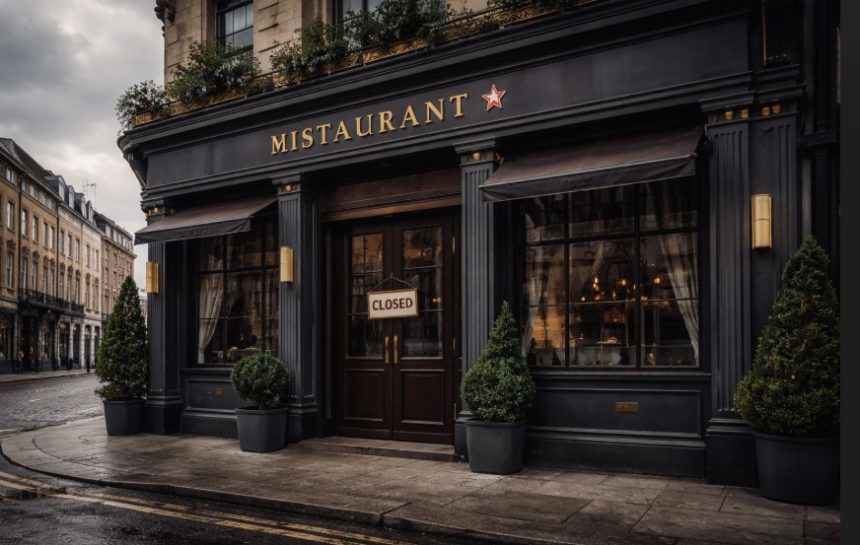
Have you noticed how frequently respected Michelin-starred restaurants are closing across the UK, even as customer interest in food culture remains strong? You may assume that culinary awards guarantee success, yet recent events suggest otherwise. From London neighbourhood favourites to regional dining destinations, highly acclaimed restaurants are quietly shutting their doors despite glowing reviews and loyal followings.
As you explore the reasons behind this shift, it becomes clear that these closures are not isolated incidents or the result of poor cooking. Instead, they reveal deeper structural problems affecting the hospitality sector as a whole.
Rising costs, staffing pressures, and sustainability challenges are forcing even the most talented chefs to make difficult decisions. Understanding why Michelin-starred chef restaurant closure UK stories are becoming more common helps you see how fragile fine dining has become in today’s economic climate.
Is the UK’s Fine Dining Scene Under Threat?
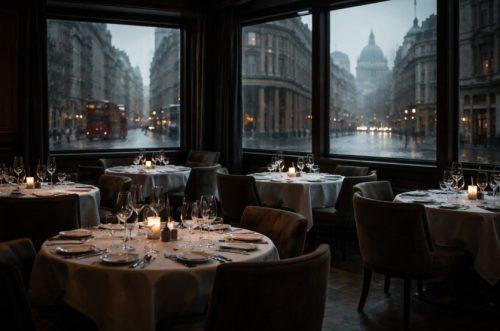
When you look at the growing number of Michelin-starred chef restaurant closure UK cases, it becomes evident that the fine dining model is under serious strain. Restaurants once seen as untouchable symbols of culinary excellence are now struggling to balance creativity with commercial survival.
High-end dining depends on premium ingredients, skilled labour, and carefully curated experiences, all of which have become significantly more expensive over the last few years.
You are also witnessing a shift in consumer behaviour. Diners are more cautious with discretionary spending and less willing to commit to costly tasting menus, particularly during economic uncertainty. Even restaurants with strong reputations are finding it difficult to maintain consistent footfall throughout the year.
This situation highlights a wider issue where prestige no longer guarantees stability. Michelin stars bring recognition, but they do not shield businesses from rising energy bills, rent increases, or staffing shortages. The fine dining scene is still admired, but its foundations are increasingly fragile.
The Wave of Closures: Which Michelin-Starred Restaurants Shut Their Doors in 2024–2025?
You may have seen the headlines, but when you look closer, the full picture of recent Michelin-starred chef restaurant closures across the UK is even more concerning. From London to Cornwall and beyond, each closure reflects unique struggles, from landlord disputes and personal burnout to unsustainable business models and high operating costs.
These restaurants shaped modern British dining, yet even their influence could not protect them from the current economic climate. The table below offers a concise view of the most significant closures from 2024 to 2025.
These restaurants were known for their excellence, but a range of pressures forced their shutdowns. Some went quietly, while others made public statements, but all contribute to a growing trend in the UK hospitality industry.
| Restaurant | Location | Closed In | Reason for Closure |
| Lyle’s | London | May 2025 | Economic pressures, despite critical success |
| Crocadon | Cornwall | 2025 | Sustainability goals met operational challenges |
| Cornerstone | London | 2024 | Financial pressure and shifting dining habits |
| Claude Bosi at Bibendum | London | Aug 2025 | Landlord and partner disputes |
| Pearly Queen | London | Late 2025 | Quiet closure with no public explanation |
| Purnell’s | Birmingham | 2025 | Rising costs made business unsustainable |
| Silo | London | Dec 2025 | Zero-waste model not financially viable |
| The Ruddington Arms | Nottinghamshire | 2025 | Mental and physical toll on the chef |
These closures tell a deeper story, that even acclaimed restaurants are vulnerable in today’s economic landscape.
Not Just Fine Dining: Celebrity Chefs Feeling the Heat Too
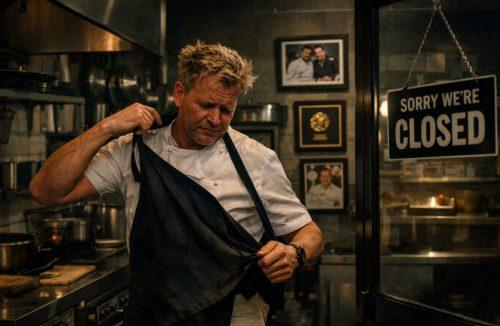
While independent fine dining restaurants face immense pressure, the struggles have also reached celebrity chefs with decades of television fame and successful brands.
You might assume that public recognition and media presence would offer a protective buffer, but the past two years have shown that even these high-profile personalities are not immune to industry turbulence.
Several celebrity chefs have been forced to close their acclaimed or long-running restaurants across the UK. These were not new or untested ventures. Many had strong customer bases and years of operation, yet they couldn’t overcome the overwhelming financial and operational challenges facing the sector.
These closures prove that regardless of fame or awards, the rising costs of energy, rent, staffing, and food supplies, combined with shifting customer expectations, are reshaping the UK hospitality landscape. The following cases reveal just how widespread the problem has become, even for those once seen as untouchable in the culinary world.
1. Marco Pierre White’s Sudden Restaurant Shutdowns
Marco Pierre White, once the youngest chef to earn three Michelin stars, saw two of his UK restaurants shut in early 2024. Mr White’s Steak, Pizza and Gin House in London’s West End abruptly closed in January, confusing both customers and critics alike. Initially listed as temporarily closed for maintenance over the New Year, the restaurant never reopened, and weeks later it was confirmed to be permanently shut.
Shortly after, a second location in Cardiff also ceased operations. These closures surprised many, especially since the London venue had only opened in 2021 and was considered a significant return to the capital’s dining scene. The West End location was vast, spanning 14,500 square feet, but even that scale could not save it from mounting operational pressures.
Despite the setbacks, Marco Pierre White still manages around 30 other dining venues across the UK, but the recent closures show that scale does not fully shield a business from today’s harsh economic climate.
2. Monica Galetti’s Mere Closes After 7 Years
Monica Galetti, known for her role as a judge on BBC’s MasterChef: The Professionals, closed her restaurant Mere in April 2025. Co-owned with her husband David, Mere had become a refined dining space in central London, known for high-end dishes and premium wine selections, including bottles priced above £150.
The closure announcement came directly from Monica on social media, where she described the decision as emotional but right for the moment. The restaurant had operated successfully for seven years and developed a loyal following. However, she acknowledged the difficulty of sustaining the business under present conditions.
As a public figure with a high profile in the food world, Monica’s decision to step away from the restaurant highlighted how even recognised names are reassessing their business commitments in the face of rising costs and industry fatigue. Mere’s end was a reminder that passion must sometimes give way to practicality.
3. Michel Roux Jr Bids Farewell to Le Gavroche
Michel Roux Jr made headlines when he announced the closure of his iconic restaurant, Le Gavroche, in January 2024. Situated in Mayfair, Le Gavroche was a landmark in British culinary history, having become the first UK restaurant to receive a Michelin star in 1974, and later a second.
Over its 56 years of operation, the restaurant played a pivotal role in training some of the UK’s most influential chefs, including Gordon Ramsay, Marco Pierre White, and Marcus Wareing. For many, it symbolised the height of culinary excellence in London.
Roux cited a desire for improved work-life balance as the main reason for the closure, choosing to spend more time with family after decades of dedication. While not entirely driven by financial stress, the closure still reflected the cumulative demands of maintaining a Michelin-starred establishment over decades. Its absence signals the end of an era in British fine dining.
4. Simon Rimmer Closes Greens After 33 Years
Simon Rimmer, a familiar face on BBC’s The One Show and Sunday Brunch, announced the closure of his final remaining Greens restaurant in 2025. Greens was one of Manchester’s pioneering vegetarian establishments, with the original Didsbury location having served diners for over 33 years.
The first branch shut in January 2025, and its successor in Sale followed shortly thereafter. Rimmer attributed the closures to the lasting impact of the pandemic, a 35 percent rent increase, and broader market changes. These challenges made the business unsustainable despite its longstanding popularity.
What makes Greens’ closure particularly significant is its role in promoting plant-based cuisine long before it became mainstream. For many, it was more than just a restaurant, it was a culinary landmark. But even that legacy couldn’t compete with the financial realities of post-pandemic recovery and rising costs.
5. Mark Hix Shuts Oyster & Fish House in Lyme Regis
Mark Hix, another well-known face from BBC’s Great British Menu, announced the closure of his Oyster & Fish House in 2025. The restaurant had served customers in Lyme Regis since 2008, known for its coastal views and dedication to local seafood.
Over its 17-year run, it became a beloved venue that highlighted British seafood at its finest. However, Hix shared that the restaurant had faced multiple difficulties in recent years, including the lingering effects of the COVID-19 pandemic and a significant planning dispute with the local council.
Despite its success and loyal local following, Hix ultimately concluded that the time had come to move on. The closure added another name to the growing list of Michelin-affiliated restaurants stepping away from the market due to structural and regulatory pressures. His decision marked not only a business shift but a change in the perception of what even well-supported restaurants can endure.
Why Are Michelin-Starred Restaurants Closing in the UK?
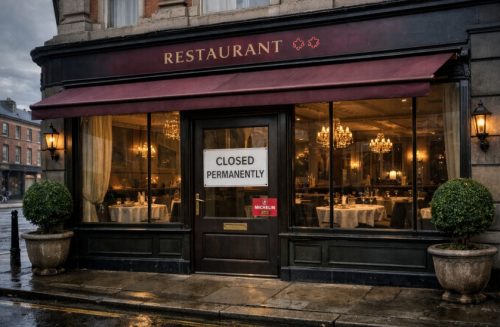
When you consider the reasons behind the rising number of Michelin-starred chef restaurant closures across the UK, you’ll quickly find that it’s not just one factor, it’s a combination of pressures converging at the same time.
Restaurants, regardless of fame or recognition, are having to navigate a highly unstable environment that challenges their ability to remain viable.
The following are the most common and urgent root causes impacting the industry:
- Soaring Operating Costs: You’re likely aware of the sharp increase in energy bills, food prices, and rent. These expenses eat into profits even at high-end price points.
- Labour Shortages: The post-Brexit and post-pandemic landscape has created a staffing crisis. Trained chefs and experienced hospitality staff are harder to find and more expensive to retain.
- Unsustainable Business Models: Many fine dining restaurants are structured for prestige rather than profit. Concepts like zero-waste dining or in-house farming demand significant investment.
- Landlord Conflicts and Property Issues: As seen in closures like Claude Bosi’s, business relationships with landlords can deteriorate, putting successful operations at risk.
- Mental Health and Burnout: The emotional and physical demands of running a restaurant have led several chefs to step back. The human cost is now part of the equation.
- Shifting Consumer Habits: You may also notice a change in how people dine out. Many customers are opting for casual, flexible formats over formal, expensive meals.
These pressures are converging and making it extremely difficult for even the most well-run, highly regarded restaurants to survive long-term.
Michelin Guide 2025: A Reflection of a Changing Industry
The 2025 edition of the Michelin Guide for Great Britain and Ireland revealed just how turbulent the past year has been for the country’s fine dining landscape. While the guide added new stars, including one new three-star restaurant and multiple new one- and two-star entries, it also included the removal of eight notable establishments from its listings.
Six of these eight restaurants closed permanently soon after losing their stars. You might recognise some of them, including Cornerstone, Purnell’s, and Pollen Street Social. These deletions didn’t happen in a vacuum. They reflect the fact that critical acclaim and customer loyalty are no longer sufficient shields against economic and operational challenges.
The guide’s evolving listings act as a mirror to the shifting balance between artistry and sustainability. As stars are lost and doors close, Michelin’s role appears to be changing too, from celebrating excellence to documenting survival in a tough market.
Can Fine Dining in the UK Survive? Future Outlook and Industry Voices

If you’re wondering whether the UK’s fine dining sector can recover or even survive, you’re not alone. Many in the industry are asking the same question. However, there are glimmers of hope and signs of innovation that suggest this is not the end, but rather a moment of transformation.
Chefs like Tom Brown, for example, are redirecting their focus to more adaptable and scalable restaurant models, such as his newest project “Island” at Mare Street Market in London. These ventures embrace a more casual, customer-friendly format while preserving culinary quality.
Some restaurateurs are also calling for stronger government support, particularly around VAT relief, staffing visas, and commercial lease reform. In response to industry-wide struggles, suppliers and partners are collaborating more closely to reduce costs and simplify procurement.
You may see the landscape evolve into something new, one where fine food is no longer defined by white tablecloths and rigid formats, but by flexibility, sustainability, and the ability to respond quickly to shifting trends.
Conclusion
As you reflect on the rise in Michelin-starred chef restaurant closures across the UK, it’s clear that even the finest food and biggest names can’t escape today’s economic realities. From inflation and labour shortages to evolving dining preferences and personal burnout, the pressures are mounting across the hospitality sector.
These closures mark the end of iconic venues, but they also serve as catalysts for change. You are likely to see new dining formats emerge, more sustainable, more agile, and perhaps more emotionally and financially rewarding for those who create them. Fine dining is not disappearing, but it is undoubtedly being redefined.
FAQs
Why are so many Michelin-starred restaurants closing in the UK?
Rising costs, labour shortages, and sustainability challenges are forcing even acclaimed restaurants to close. These factors are affecting both independent and celebrity chef-run establishments.
Are Michelin-starred chefs struggling financially in the UK?
Yes, many are facing high energy bills, staff shortages, and reduced customer spending. Even top-tier restaurants are finding profit margins too slim to continue.
What was the reason behind the closure of Le Gavroche?
Chef Michel Roux Jr cited a desire for better work-life balance after running the restaurant for decades. The closure was not directly due to financial struggles.
Did COVID-19 impact these closures?
Absolutely. The pandemic contributed to long-term financial strain, staffing issues, and shifts in consumer habits that are still affecting restaurants today.
Why did Monica Galetti close Mere?
She and her husband felt it was the right time to step away after seven years. The closure was an emotional decision rather than a financial crisis.
What happened to Tom Brown’s Pearly Queen?
Pearly Queen closed quietly in 2025 with no formal announcement. The reasons remain unclear, though it’s believed to be related to broader industry difficulties.
Can Michelin-starred restaurants survive in today’s economy?
Yes, but survival now depends on flexibility, innovation, and adapting to new market realities. Many chefs are shifting to less rigid, more scalable dining models.