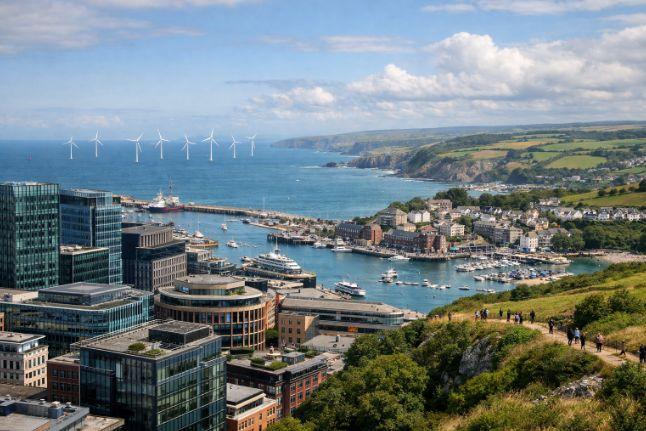
The South West of England has traditionally been associated with tourism, agriculture and coastal living. In 2026, however, the region is playing a far more strategic role in shaping the wider UK economy. Through diversified industries, technological innovation, renewable energy leadership and creative growth, the South West is proving that regional economies can drive national strength.
A Diversified Regional Economy
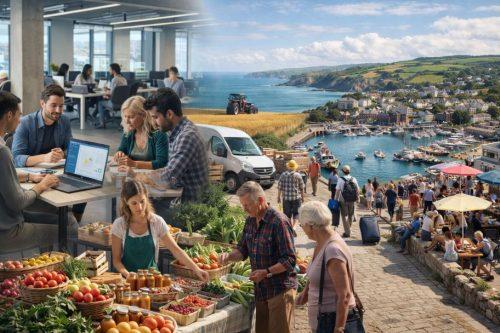
One of the South West’s greatest economic strengths is its diversity. Unlike regions heavily dependent on a single sector, the South West benefits from a broad economic base that provides stability during uncertain economic conditions.
Agriculture and Food Production
Agriculture remains a cornerstone of the region’s economy. In 2026, the South West leads in sustainable farming, organic food production and high-quality exports. Local producers are increasingly supplying national supermarkets and international markets, helping to strengthen the UK’s food security while supporting rural employment.
Manufacturing and Engineering
Advanced manufacturing, particularly in aerospace and marine engineering, continues to expand. Bristol and surrounding areas host globally recognised engineering firms that contribute significantly to UK exports and innovation pipelines.
Technology Growth Beyond the Capital
While London remains a global tech hub, the South West has emerged as a strong alternative for innovation-led businesses seeking talent, affordability and quality of life.
Bristol and Bath as Innovation Centres
Bristol’s tech ecosystem has matured rapidly, particularly in digital media, robotics and aerospace software. Bath complements this growth through research-driven startups supported by university partnerships. Together, these cities are attracting skilled professionals who might otherwise relocate to London.
Employment and Skills Development
This growth is creating high-value jobs and encouraging skills retention within the region. Local graduates increasingly choose to remain in the South West, contributing to a more sustainable long-term workforce.
Tourism and the Creative Economy
Tourism remains a major economic driver, but its role has evolved significantly in 2026.
Year-Round Tourism
Investment in infrastructure, digital promotion and sustainable travel has transformed tourism into a year-round industry. Coastal towns and national parks now attract visitors beyond traditional peak seasons, stabilising income for local businesses.
Creative and Cultural Industries
The South West’s landscapes have become valuable assets for film, television and digital content production. These creative industries inject capital into local economies while supporting freelance and project-based employment.
In the broader business ecosystem, platforms such as Companies In London highlight how both regional and capital-based enterprises collectively support the UK’s economic framework, reinforcing the importance of interconnected growth.
Leadership in Green Energy and Sustainability
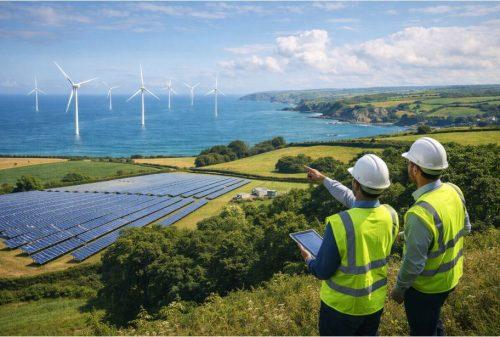
Sustainability is one of the South West’s most important economic contributions in 2026.
Renewable Energy Projects
Offshore wind farms, solar developments and tidal energy research projects have positioned the region as a leader in renewable innovation. These initiatives support thousands of jobs while contributing directly to the UK’s net-zero ambitions.
Green Skills and Investment
The growth of green industries has also increased demand for specialist skills, prompting investment in training and education that benefits both workers and employers.
Business Support and Long-Term Growth
Regional growth hubs, enterprise zones and investment funds continue to support small and medium-sized enterprises across the South West. Lower operating costs, strong transport links and high living standards make the region attractive to investors and expanding businesses.
Conclusion
By 2026, the South West of England is no longer viewed as a peripheral economy. Its blend of innovation, sustainability, creative industries and resilient local businesses positions it as a critical contributor to the UK’s economic future. As national growth becomes increasingly decentralised, the South West stands out as a model for balanced, region-led prosperity.