Across the UK, a noticeable shift is taking place in where people choose to live. For decades, major cities dominated as centres of opportunity, culture, and convenience.
Today, however, more individuals and families are reassessing that long-held assumption. Regional towns and smaller cities are increasingly seen as places where people can build comfortable, fulfilling lives without the pressures often associated with urban living.
Rising living costs, evolving work patterns, and changing lifestyle priorities are all contributing to this movement. Rather than focusing purely on proximity to city centres, many people are prioritising space, affordability, and overall quality of life. This shift is reshaping communities across the UK and redefining what modern living looks like.
A Better Balance Between Cost and Comfort

One of the strongest drivers behind regional living is affordability. In large cities, housing costs often consume a significant portion of monthly income, leaving little room for savings or leisure. Regional areas tend to offer more reasonably priced homes, whether for renting or buying, allowing residents to enjoy larger living spaces without overstretching their finances.
Beyond housing, everyday expenses such as transport, dining, and childcare are often lower outside major metropolitan areas. This financial breathing room gives people greater flexibility to spend on experiences, hobbies, and family life. Over time, these small differences can have a meaningful impact on overall wellbeing.
Space and Lifestyle Matter More Than Ever
Lifestyle expectations have evolved. Many people now value space both indoors and outdoors, something that is often limited in dense urban environments. Regional living frequently provides access to gardens, green spaces, coastal paths, or countryside walks that support a healthier and more relaxed way of life.
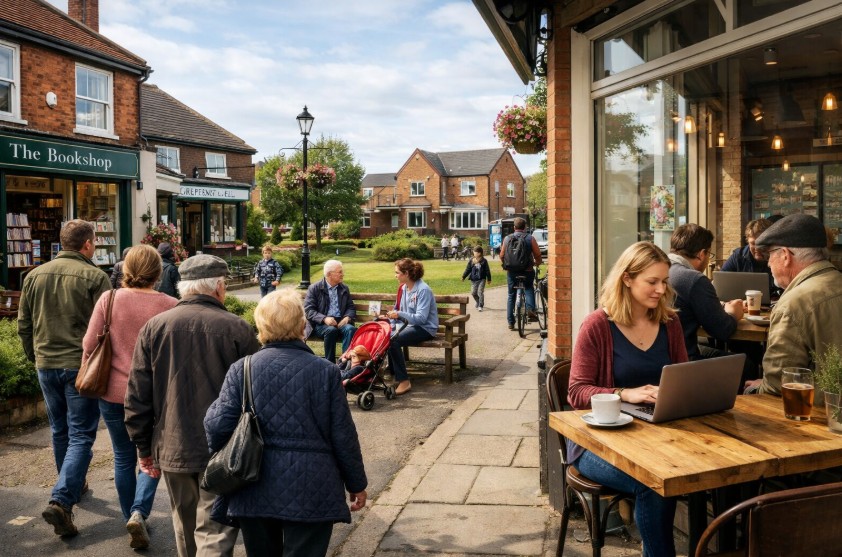
Communities in regional areas also tend to feel more connected. Local shops, independent cafés, and community events create a sense of belonging that can be harder to find in larger cities. This social aspect plays an important role, especially for families and those seeking a slower, more grounded pace of living.
Growing Business Activity Outside Major Cities
The shift towards regional living is closely linked to changing business patterns across the UK. As professionals move away from city centres, economic activity is following. Many small businesses, freelancers, and startups are now operating successfully from regional locations.
Insights shared by ukbusinesstimes.co.uk highlight how businesses are increasingly drawn to regional areas due to lower operating costs, access to local talent, and improved work-life balance for teams. This growing trend reflects a broader transformation in how and where businesses choose to grow, supporting local economies beyond traditional urban hubs.
Improved Infrastructure and Connectivity
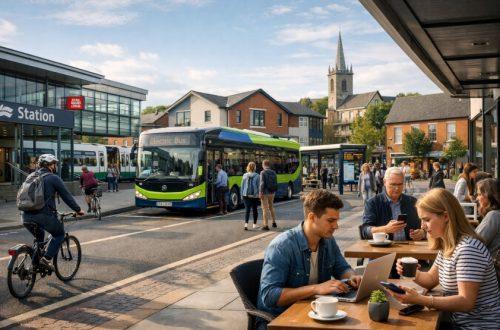
Regional living is no longer associated with isolation or limited access to services. Transport links, digital infrastructure, and local amenities have improved significantly over the past decade. Many towns are well connected by rail and road, making occasional travel to major cities straightforward when needed.
Healthcare, education, and retail options have also expanded, reducing the gap between regional and city living. This progress reassures people that relocating does not mean compromising on essential services or opportunities.
A Stronger Sense of Community
Another important factor influencing relocation decisions is community. Regional areas often foster closer social ties, where neighbours know one another and local businesses play a central role in daily life. For many, this sense of familiarity and trust enhances feelings of safety and belonging.
Community events, local markets, and independent venues contribute to vibrant local cultures that feel personal rather than anonymous. These elements can make everyday life more enjoyable and meaningful, particularly for those seeking a stronger connection to their surroundings.
Long-Term Lifestyle Sustainability
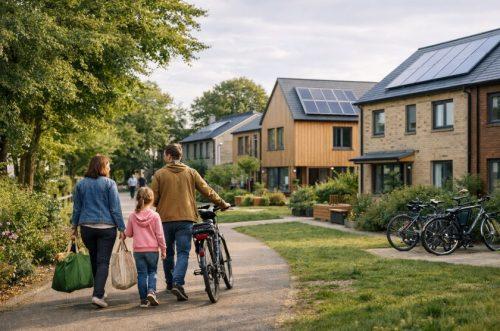
Choosing regional living is not just about immediate benefits. Many people view it as a long-term lifestyle decision. Reduced stress levels, better access to nature, and manageable living costs all contribute to improved mental and physical health over time.
As priorities shift towards sustainability and wellbeing, regional living aligns more closely with these values. It offers an opportunity to build a stable lifestyle that balances work, family, and personal fulfilment without constant financial or environmental pressure.
Conclusion
The growing appeal of regional UK living reflects a wider cultural change. People are redefining success and quality of life, moving away from city-centric models towards environments that offer balance, space, and community. As infrastructure and business opportunities continue to expand beyond major cities, this trend is likely to strengthen.
Regional towns and smaller cities are no longer seen as alternatives but as destinations in their own right. For many, they represent a smarter, more sustainable way to live in today’s evolving UK landscape.