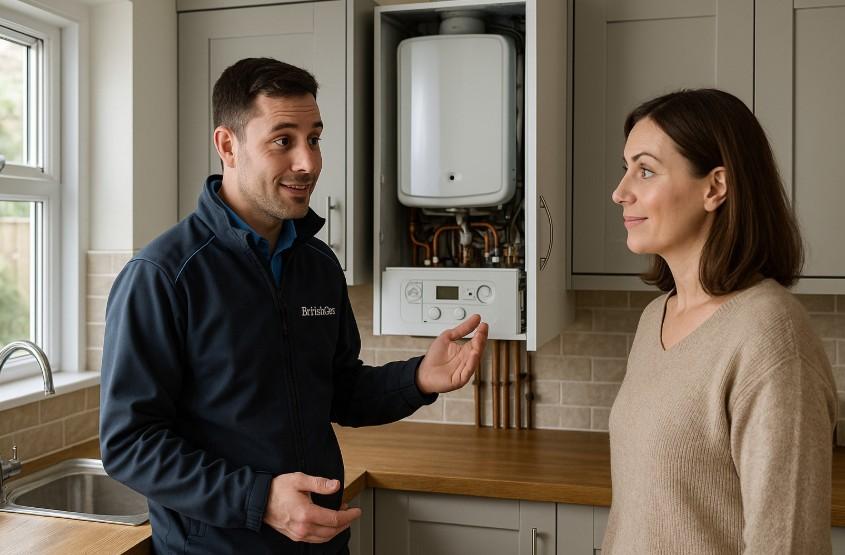
Are you ready for the colder months ahead? As temperatures begin to dip, British Gas is sounding the alarm for UK households to act before the chill fully sets in.
With over 1.2 million emergency boiler repairs last winter alone, the message is clear preparing early could save you from unexpected breakdowns, high energy bills, and a lot of discomfort.
British Gas engineers have highlighted the increasing trend of heating systems failing just as families need them most. The first cold snap in September often triggers an early switch-on, but the majority of people wait until late October.
That delay can come with consequences if systems aren’t checked beforehand. From bleeding your radiators to checking for draughts, small steps now can help avoid big problems later. Let’s explore why preparing your heating system now is not only smart but essential to staying warm and safe this winter.
Why Is British Gas Urging UK Households to Prepare Now?

British Gas has issued a timely reminder to all UK households to get their heating systems winter-ready. The call to action follows a troubling statistic: last winter alone, more than 1.2 million customers contacted British Gas engineers to repair broken boilers. That figure underscores a widespread issue, waiting too long can result in costly and inconvenient repairs when demand is at its peak.
Heating systems, particularly boilers, often remain idle for months during the warmer seasons. When the first cold snap hits, typically in September, some households switch on their systems immediately.
However, most wait until late October or when temperatures fall below 9°C for four consecutive days. That’s usually when systems are pushed back into action, and many begin to fail due to a lack of preparation.
According to British Gas engineer Sunny Solanky, this period is notorious for sudden breakdowns. The company is urging households to act early, rather than scramble for emergency fixes when it’s already cold. A few simple checks can prevent problems before they begin.
What Are the Most Common Heating Issues After Summer?
When summer fades and the cold creeps in, heating systems across the UK are suddenly put back to work. Unfortunately, months of inactivity often lead to complications that catch homeowners off guard.
Here are some of the most common issues you might face:
- Boiler ignition problems: Boilers may fail to ignite due to blocked burner jets or faulty ignition leads.
- Airlocks in radiators: Trapped air stops radiators from heating properly, especially if only the bottom warms up.
- Low boiler pressure: Boilers may lose pressure over time, especially after long periods without use.
- Noisy heating pipes or radiators: Banging or gurgling noises often signal trapped air or limescale build-up.
- Thermostat issues: Inaccurate readings can cause your heating system to operate inefficiently or not at all.
- Frozen condensate pipes: This is a common winter issue, especially if your boiler is in an unheated area.
Even minor issues like dust accumulation or unlubricated components can impair your system’s performance. Identifying these problems before they escalate is crucial. Early maintenance not only prevents discomfort but also reduces the need for emergency repairs in the middle of winter.
How Can You Prepare Your Heating System for Winter?
As winter approaches, preparing your heating system is a proactive way to ensure warmth, comfort, and peace of mind. British Gas has shared several practical tips to get your home winter-ready. These steps don’t require major investments but can make a significant difference in performance and energy savings.
Should You Bleed Your Radiators Before Winter?
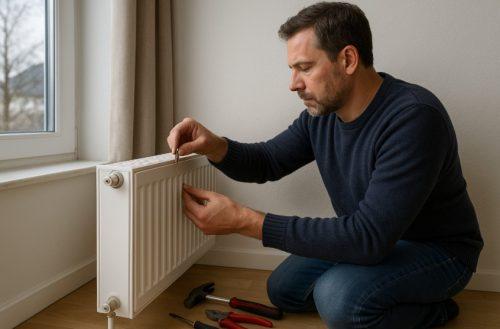
Radiators often trap air during months of inactivity, leading to cold spots, especially at the top. Bleeding your radiators ensures even heat distribution throughout your home.
To bleed them:
- Use a radiator key to gently open the valve at the top.
- Let trapped air escape until water starts to trickle out.
- Close the valve securely.
This simple task can restore radiator efficiency and save energy.
How Do You Check for Draughts and Seal Your Home?
Heat loss through small gaps and openings can significantly increase your energy bills. British Gas recommends checking windows, doors, and letterboxes for any drafts.
To seal your home effectively:
- Use self-adhesive foam strips around window frames.
- Install draught excluders beneath doors.
- Add inexpensive keyhole covers and letterbox brushes.
These additions can help retain heat and keep your home warmer for longer.
What Temperature Should You Set Your Thermostat?
According to British Gas, keeping your thermostat between 18°C and 21°C strikes a balance between comfort and energy efficiency. Reducing the temperature by just 1°C can cut your heating bill by up to 10 percent, roughly £75 a year for the average household. Avoid turning the heat too high; maintaining a consistent setting is both cost-effective and comfortable.
What Is Zonal Heating and Why Should You Use It?
Zonal heating means only warming rooms that are currently in use. By adjusting radiator valves in unused spaces or using smart thermostats to control zones independently, you can prevent unnecessary heating. This approach:
- Reduces energy consumption.
- Enhances comfort by tailoring temperatures to specific rooms.
- Helps extend your system’s lifespan.
How Can Insulating Pipes Prevent Winter Emergencies?
Frozen pipes are a real hazard in the winter. When water freezes, it expands, causing pipes to crack or burst. Insulating your pipes helps maintain water flow and prevents freezing.
Focus on:
- Pipes in unheated areas like lofts, basements, and garages.
- Outdoor pipework exposed to the elements.
- Using foam lagging or pipe sleeves for insulation.
Proper insulation is an inexpensive fix that can prevent costly emergency repairs.
Heating System Prep Checklist
| Task | Purpose | Tools Needed |
| Bleed radiators | Remove trapped air for better heating | Radiator key |
| Seal draughts | Prevent heat loss | Foam strips, excluders |
| Set thermostat | Maintain efficiency | Thermostat |
| Use zonal heating | Save energy by heating only used rooms | TRVs, smart controls |
| Insulate pipes | Prevent bursts from frozen water | Pipe lagging |
Following these steps ensures your heating system works effectively when you need it most.
Can a Scheduled Heating Routine Save Energy?
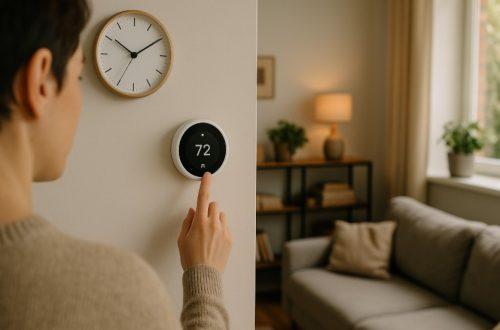
Creating a scheduled heating routine is one of the simplest ways to manage energy use efficiently. British Gas advises setting your heating to come on 15 minutes before waking up and to turn off about 30 minutes before bedtime. This timing ensures your home is warm when needed without wasting energy.
Smart thermostats or timers can help you manage this routine automatically. They allow you to set temperature goals by the hour and even adapt based on weather conditions or occupancy. A regular schedule also reduces the stress on your boiler, preventing it from working harder than necessary.
Additional scheduling tips:
- Avoid heating the house when no one is home.
- Use lower temperatures during sleep hours.
- Sync heating times with daily routines for maximum comfort and efficiency.
Implementing a well-thought-out schedule allows you to stay warm while avoiding unnecessary energy usage.
Should You Call an Engineer Before the First Cold Snap?
Preventative maintenance is far more cost-effective than emergency repairs. British Gas reports a significant rise in engineer call-outs after the first cold snap, particularly from households that hadn’t serviced their boilers ahead of winter. Booking a professional check-up before switching on your system helps detect and fix small issues early.
Reasons to call a certified engineer include:
- Ensuring boiler safety and functionality.
- Improving energy efficiency.
- Validating your boiler warranty with an annual service.
- Peace of mind knowing your system is winter-ready.
The best time to call is before demand spikes in late October. Scheduling early can also help you avoid long wait times and higher fees associated with emergency services.
What Other Small Changes Make a Big Difference?
Sometimes, the smallest adjustments at home can lead to the biggest savings and improvements in comfort. British Gas highlights a number of quick fixes that are often overlooked but can dramatically affect how efficiently your heating system performs.
Practical changes include:
- Moving furniture away from radiators to allow heat to circulate.
- Using thicker curtains to keep warmth inside.
- Placing rugs on wooden or tiled floors to prevent heat loss.
- Keeping doors to unused rooms closed to contain heat in occupied areas.
- Checking insulation around lofts and external doors for gaps.
These efforts don’t require a big budget or technical expertise, yet they contribute meaningfully to your overall energy efficiency during the colder months.
How Can These Heating Tips Help You Save on Energy Bills?

All the above tips are not just about comfort, they’re about saving money too. British Gas reports that reducing your home’s thermostat by just one degree can save around 10 percent on heating costs, equating to roughly £75 per year. By combining multiple strategies, households can experience substantial financial benefits.
Below is a breakdown of estimated savings from each action:
| Action | Estimated Savings |
| Lowering thermostat by 1°C | £75 |
| Bleeding radiators | £30 |
| Sealing draughts | £20 to £40 |
| Using zonal heating | £50 to £100 |
| Pipe insulation | £10 to £25 |
| Scheduled heating | £30 to £60 |
Individually these figures may seem modest, but collectively they can lead to hundreds of pounds in savings annually. More importantly, they reduce wear on your system, helping it last longer.
Conclusion
The message from British Gas couldn’t be clearer, prepare now before winter’s chill sets in. The colder months bring more than just frosty mornings; they also bring higher demands on your heating system. From simple tasks like bleeding radiators to calling in an engineer for a pre-winter check, these small steps make a big difference.
A prepared heating system is not just about avoiding breakdowns. It’s about maintaining comfort, reducing stress, and keeping your energy bills in check. With practical advice backed by real data and expert insight, there’s no reason to delay.
Don’t wait for the temperature to drop below 9°C before taking action. Get ahead of winter by making your home heating-ready today.
FAQs
When is the best time to turn on your heating for the first time?
The best time is before temperatures consistently drop below 9°C or late October, as advised by British Gas. This helps you avoid system shocks or breakdowns.
Why do radiators feel cold at the top but warm at the bottom?
This typically means there’s trapped air in the radiator. Bleeding the radiator releases the air, allowing it to heat evenly.
Can I insulate heating pipes myself?
Yes, pipe insulation is a simple DIY task using foam lagging. Focus on pipes in unheated or outdoor areas.
Should I lower the thermostat when I’m not home?
Yes, reducing the temperature or turning the heating off when no one is home can save energy and lower bills.
What’s the ideal indoor temperature during winter?
British Gas recommends keeping it between 18°C and 21°C for comfort and cost-efficiency.
How often should my boiler be serviced?
Your boiler should be serviced once a year by a certified engineer to maintain safety and performance.
Is zonal heating really effective?
Yes, only heating the rooms you use can significantly reduce energy consumption without sacrificing comfort.