Living with a long-term illness or disability in the UK can be incredibly challenging, especially when everyday tasks become difficult. Many are unaware that they could receive financial assistance through Personal Independence Payment, also known as PIP.
According to the Department for Work and Pensions (DWP), you may be eligible for up to £110 per week if you have one of 87 recognised conditions that affect your daily living or mobility.
This support is designed to ease the additional costs people face due to their health challenges. Even if you’re currently employed or receiving other benefits, you could still qualify. The application process is structured to evaluate how your condition affects your ability to live independently.
In this article, you’ll learn what PIP is, how much you could receive, who qualifies, how to apply, and which conditions are accepted by the DWP for this essential support.
What Is PIP And Who Can Apply For It?

Understanding PIP is the first step toward accessing the support you may be entitled to. Personal Independence Payment helps people with extra living costs if they have a physical or mental condition that affects everyday life.
It’s available to those aged 16 or over, up to State Pension age, who struggle with tasks such as washing, cooking, managing medication or moving around. Eligibility depends not on your diagnosis but how much assistance you require for basic daily activities or mobility.
It’s important to remember that PIP is not means-tested, meaning:
- Your income and savings do not affect your eligibility
- You can receive PIP alongside most other benefits
- You may be employed or unemployed and still qualify
The application process focuses on how your condition impacts your independence. If your challenges are likely to persist for at least 12 months, you should consider applying.
Claiming PIP could provide you with crucial support that helps maintain your quality of life.
How Much Could You Receive From PIP Weekly?
Knowing how much financial assistance you could receive through PIP is essential for planning your support needs. The amount awarded depends on how your condition limits your ability to perform daily activities and mobility-related tasks.
There are two components: the daily living part and the mobility part. You may qualify for one or both, and each part has a standard and enhanced rate.
Breakdown Of PIP Weekly Rates For 2025
The current PIP payment rates are as follows:
| Component | Standard Rate | Enhanced Rate |
| Daily Living Part | £73.90 | £110.40 |
| Mobility Part | £29.20 | £77.05 |
These rates are reviewed annually and reflect the level of support you require. PIP is paid every four weeks and deposited directly into your bank or building society account.
What Determines The Amount You Receive?
Your award is based on how much assistance you need with specific tasks.
The DWP assesses:
- If you need help or equipment to do a task
- Whether you can do the activity safely and within a reasonable time
- How often you are affected by the condition
- If someone else must help you carry out the task
Scoring is based on a point system. The more tasks you struggle with, the higher your overall score and potential payment.
Are PIP Payments Tax-Free?
Yes, all PIP payments are completely tax-free. You can receive PIP even if you are working or receiving other benefits. It does not count as income for tax purposes or impact your entitlement to means-tested benefits.
This ensures that PIP gives you genuine financial relief to cover extra costs caused by your condition. Understanding how much you might receive and how it’s calculated is an important step in securing the right level of support for your needs.
What Are The Two Components Of PIP Support?
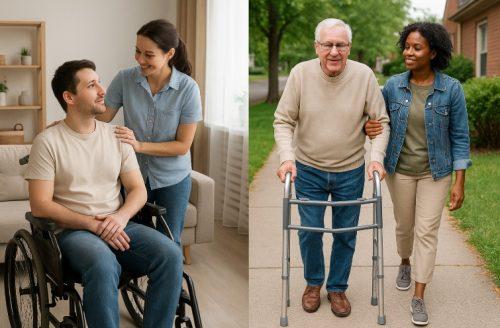
Personal Independence Payment is made up of two distinct parts, each covering a different type of need. You may be eligible for either one or both parts, depending on how your health condition affects you.
Daily Living Part Explained
This component supports individuals who have difficulty with daily tasks such as:
- Preparing and eating meals
- Personal hygiene and using the toilet
- Dressing and undressing
- Managing medications or therapies
- Reading, understanding, and communicating
- Handling money and interacting socially
To qualify, your condition must impact these activities frequently and consistently. You do not necessarily need help from another person. If you use aids or assistive devices, or if it takes you longer to complete tasks, you may still be eligible.
Mobility Part And Who Qualifies
This part of PIP covers difficulties with getting around or leaving your home. You could be eligible if you:
- Struggle to plan or follow journeys
- Experience anxiety or cognitive issues when leaving home
- Cannot walk long distances without pain or assistance
The DWP looks at both physical and mental impairments when assessing mobility needs. You don’t have to be physically disabled to qualify, which means people with mental health conditions may also receive this component.
Together, these two components provide a more complete picture of the support you may require and help ensure you receive the financial assistance that reflects your level of need.
How Does The DWP Assess PIP Eligibility?
Once you’ve applied for PIP, the Department for Work and Pensions assesses your eligibility by examining how your condition affects you in real-life scenarios.
The goal isn’t to determine how sick you are but to understand your ability to carry out daily tasks and move independently. An independent health professional may conduct an assessment either in person, via phone, or through a video call.
They consider:
- Whether you can complete activities safely and consistently
- If you require assistance or tools to complete a task
- How often your condition affects you
- Whether you can complete tasks within a reasonable time frame
You’ll be awarded points for each activity you struggle with. These points determine if you qualify for either the standard or enhanced rate of the daily living and/or mobility component.
The assessment is crucial in the claim process and allows the DWP to tailor their support based on your specific needs.
What Are The 87 Conditions That May Qualify For £110 PIP Weekly?
The DWP has identified a wide range of conditions that may qualify individuals for Personal Independence Payment. The focus is on how the condition impacts your daily living and mobility, not simply the diagnosis itself. That means even if your condition isn’t listed explicitly, you may still be eligible based on its effects.
Full List Of Physical And Mental Health Conditions
To help you understand what may qualify for PIP, here is a detailed and numbered list of physical and mental health conditions recognised by the DWP. Eligibility depends on how these conditions affect your daily life and mobility, not just the diagnosis alone.
Physical Health Conditions
| No. | Condition | No. | Condition |
| 1 | Osteoarthritis of Hip | 45 | Carpal Tunnel Syndrome |
| 2 | Osteoarthritis of Knee | 46 | Dupuytren’s Contracture |
| 3 | Osteoarthritis of Other Single Joint | 47 | Tendon Lesions |
| 4 | Primary Generalised Osteoarthritis | 48 | Tenosynovitis |
| 5 | Chronic Fatigue Syndrome (CFS) | 49 | Wrist and Hand Disorders – Other |
| 6 | Fibromyalgia | 50 | Cervical Disc Lesion |
| 7 | Pain Syndromes – Chronic – Other/Unknown | 51 | Cervical Spondylosis |
| 8 | Ankylosing Spondylitis | 52 | Neck Disorders – Other |
| 9 | Psoriatic Arthritis | 53 | Whiplash Injury |
| 10 | Reactive Arthritis | 54 | Back Pain – Non-Specific (Mechanical) |
| 11 | Inflammatory Arthritis – Other/Unknown | 55 | Back Pain – Specific – Other |
| 12 | Juvenile Chronic Arthritis (Still’s Disease) | 56 | Kyphosis |
| 13 | Rheumatoid Arthritis | 57 | Lumbar Disc Lesion |
| 14 | Crystal Deposition Disorders – Other/Unknown | 58 | Lumbar Spondylosis (OA Spine) |
| 15 | Gout | 59 | Schuermann’s Disease |
| 16 | Pseudogout | 60 | Scoliosis |
| 17 | Osteochondritis | 61 | Spinal Stenosis |
| 18 | Osteonecrosis | 62 | Spondylolisthesis |
| 19 | Osteomalacia | 63 | Dislocation of the Hip – Congenital |
| 20 | Osteoporosis | 64 | Hip Disorders – Other/Unknown |
| 21 | Metabolic/Endocrine Musculoskeletal Disorders – Other | 65 | Perthes Disease |
| 22 | Paget’s Disease | 66 | Slipped Upper Femoral Epiphysis |
| 23 | Rickets | 67 | Bursitis |
| 24 | Achondroplasia | 68 | Chondromalacia Patellae |
| 25 | Epiphyseal Dysplasia – Multiple | 69 | Knee Disorders – Other/Unknown |
| 26 | Genetic Disorders/Dysplasias – Other/Unknown | 70 | Ligamentous Instability of Knee |
| 27 | Hereditary Multiple Exostosis (Diaphyseal Aclasis) | 71 | Meniscal Lesions |
| 28 | Hypermobility Syndrome | 72 | Osgood Schlatter’s Disease |
| 29 | Marfan’s Syndrome | 73 | Osteochondritis Dissecans |
| 30 | Osteogenesis Imperfecta | 74 | Patellar Dislocation – Recurrent |
| 31 | Tumours of Bone – Benign | 75 | Ankle and Foot Disorders – Other/Unknown |
| 32 | Compartment Syndrome (Volkmann’s Ischaemia) | 76 | Club Foot (Talipes) |
| 33 | Fracture Complications – Other/Unknown | 77 | Forefoot Pain (Metatarsalgia) |
| 34 | Sudek’s Atrophy | 78 | Hallux Valgus/Rigidus |
| 35 | Generalised Musculoskeletal Disease – Other/Unknown | 79 | Amputation – Lower Limb(s) |
| 36 | Adhesive Capsulitis (Frozen Shoulder) | 80 | Amputation – Upper Limb(s) |
| 37 | Rotator Cuff Disorder | 81 | Amputations – Upper and Lower Limb(s) |
| 38 | Shoulder Disorders – Other/Unknown | 82 | Abdomen – Injuries/Fracture/Dislocation of |
| 39 | Shoulder Instability | 83 | Lower Limb – Injuries/Fracture/Dislocation of |
| 40 | Elbow Disorders – Other/Unknown | 84 | Multiple – Injuries/Fracture/Dislocation |
| 41 | Golfer’s Elbow (Medial Epicondylitis) | 85 | Pelvis – Injuries/Fracture/Dislocation of |
| 42 | Tennis Elbow (Lateral Epicondylitis) | 86 | Spine – Injuries/Fracture/Dislocation of |
| 43 | Carpal Tunnel Syndrome (duplicate corrected to unique) | 87 | Thorax – Injury/Fracture/Dislocation of |
Mental Health Conditions (Recognised Under PIP Criteria)
While not explicitly listed in the 87 physical conditions, these mental health conditions are also commonly accepted for PIP if they significantly affect daily living or mobility:
- Anxiety Disorders
- Depression
- PTSD (Post-Traumatic Stress Disorder)
- Bipolar Disorder
- Obsessive Compulsive Disorder (OCD)
- Schizophrenia
- Autism Spectrum Disorder
- Personality Disorders
- Eating Disorders
- Attention Deficit Hyperactivity Disorder (ADHD)
- Dementia
- Cognitive Impairment
- Social Anxiety Disorder
- Learning Disabilities
- Severe Stress-Related Disorders
These conditions can impact social interaction, communication, decision-making, and navigation, which are all factors considered in a PIP assessment.
Are Mental Health Conditions Covered By PIP?
Yes, mental health conditions are treated equally under PIP criteria. If your condition causes difficulties with social interaction, planning, decision-making, or leaving your home, you may qualify for support. Conditions like anxiety, depression, and PTSD are increasingly recognised and assessed based on their impact.
Having a mental health diagnosis alone is not enough; you must show how it limits your independence. Mental health and physical health are both taken into account to ensure fair support across different types of conditions. Knowing whether your condition qualifies is a key step toward receiving the help you may be entitled to.
How Do You Apply For PIP In The UK?
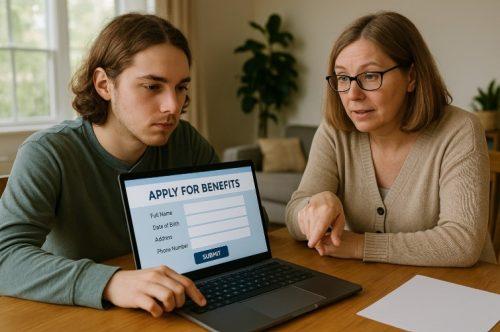
Applying for PIP involves a step-by-step process that begins with checking your eligibility and gathering the necessary documents. Understanding the process can help you feel more confident and avoid delays in your claim.
Applying By Phone, Post Or Online
You can apply in the following ways:
- By phone: Call 0800 917 2222 to request a form
- By post: Write to Freepost DWP PIP 1
- Online: Available in certain areas check eligibility on GOV.UK
After initiating your claim, you’ll receive a form titled “How Your Disability Affects You” to complete and return.
What You Need Before Starting Your PIP Claim?
Before applying, gather:
- Your National Insurance number
- Bank or building society details
- Doctor or healthcare contact information
- Dates of hospital stays or travel abroad
- A list of prescribed medications or care plans
How To Get Help When Applying?
Support is available from:
- Citizens Advice for free, expert guidance
- British Sign Language video relay services
- Friends or family who can help you fill in forms or call on your behalf
Preparing your documents and using available support can improve your chances of a successful claim.
What Happens After You Submit Your PIP Application?

Once your form is submitted, the DWP reviews it to determine if further assessment is required. If needed, a health professional will schedule an assessment by phone, video, or in person.
During the assessment, you’ll be asked about how your condition affects your daily living and mobility. You may also be asked to demonstrate specific tasks. After this, the DWP will send you a decision letter confirming your award and payment dates.
If you disagree with the outcome, you can request a mandatory reconsideration. This step gives you the chance to provide additional evidence and challenge the decision.
What If Your Health Changes After Getting PIP?
Over time, your condition may improve or worsen, and it’s important to update the DWP if there are changes. This ensures that your benefit reflects your current situation.
You should contact the PIP enquiry line if:
- Your condition has changed significantly
- You need more or less support
- You are hospitalised or enter care
- You plan to travel abroad for more than four weeks
Failing to report changes could lead to overpayment or a disruption in your benefits. Keeping the DWP informed ensures that you receive the correct support at all times.
Can You Claim PIP If You’re Nearing The End Of Life?
If a medical professional confirms that you may have 12 months or less to live, you can access PIP under special rules. This fast-tracked process ensures you receive vital financial help without a full assessment.
You’ll automatically receive the enhanced daily living rate. The mobility component is also available if needed, depending on your condition. Your doctor must complete an SR1 form, which can be sent directly to the DWP.
You won’t be required to attend a face-to-face assessment, making the process more compassionate and efficient during difficult times.
What Additional Support Can You Get With PIP?
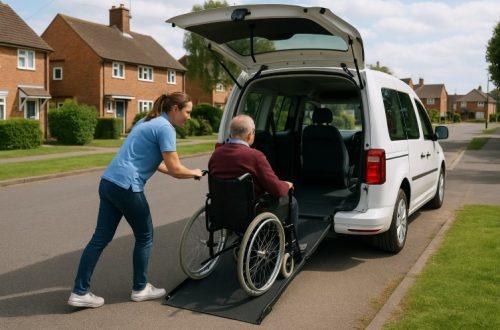
Receiving PIP opens the door to other benefits and services.
Depending on your level of support, you may also qualify for:
- Carer’s Allowance for someone helping you
- Motability Scheme for accessible vehicles
- Disabled Person’s Railcard
- Council Tax reductions
- Vehicle tax exemption
- Blue Badge for parking
These extras can improve mobility and reduce your overall cost of living. Once you begin receiving PIP, explore what additional help you may be entitled to through local councils and the GOV.UK website.
Can You Still Get PIP If You Live Abroad Or Move?
You may still receive PIP if you move abroad, depending on your destination and circumstances.
You can claim if you:
- Live in the EU, Switzerland, Norway, Iceland, or Liechtenstein
- Work in the Armed Forces or are related to someone who does
If you move within the UK, such as from England to Scotland, you may transition to Adult Disability Payment. Notify DWP or Social Security Scotland immediately to avoid delays. Always inform the DWP of any address changes or plans to live outside the UK to ensure continuous support.
How Do You Report Changes Or Overpayments To The DWP?
Reporting changes is essential to keeping your PIP accurate.
You should contact the PIP enquiry line if:
- Your name, address, or GP changes
- Your care needs increase or decrease
- You move abroad or into care
- Your financial or immigration status changes
You must also repay any overpayments if you failed to report a change or provided incorrect information. Contact 0800 121 4433 to report changes. Keeping your details up to date helps prevent issues with your benefit.
Conclusion
Navigating the challenges of a long-term condition is difficult, but financial support through PIP can make a substantial difference. With up to £110 per week available, many people in the UK could be receiving help they didn’t realise they were entitled to.
Whether your condition is physical, mental, or both, the DWP evaluates your unique needs to determine your eligibility. Understanding how PIP works, what conditions are covered, and how to apply gives you the power to take control of your situation.
Don’t overlook this benefit. If you think you might qualify, begin your claim as soon as possible or get support from trusted sources like Citizens Advice. Support is available, and with the right steps, you can start receiving the help you need to live more independently and securely.
FAQs
What’s The Fastest Way To Apply For PIP?
Calling the DWP claim line at 0800 917 2222 is the quickest way to apply and get your form sent out right away.
Can I Apply For PIP Without A Diagnosis?
Yes, if you can show how your condition affects your daily life, a diagnosis is not always necessary.
Does Working Full-Time Stop Me From Getting PIP?
No, PIP is not income-based, so you can still claim it while working full-time or part-time.
Will PIP Affect My Other Benefits?
PIP doesn’t affect most other benefits and can sometimes increase your entitlement to means-tested support.
Do Mental Health Conditions Qualify For PIP?
Yes, conditions like anxiety, depression, and PTSD can qualify if they impact daily living or mobility.
How Often Will My PIP Be Reviewed?
Your award letter will state when your claim will be reviewed, which depends on your condition’s stability.
Can I Appeal If My PIP Claim Is Denied?
Yes, you can request a mandatory reconsideration and appeal if you’re unhappy with the decision.