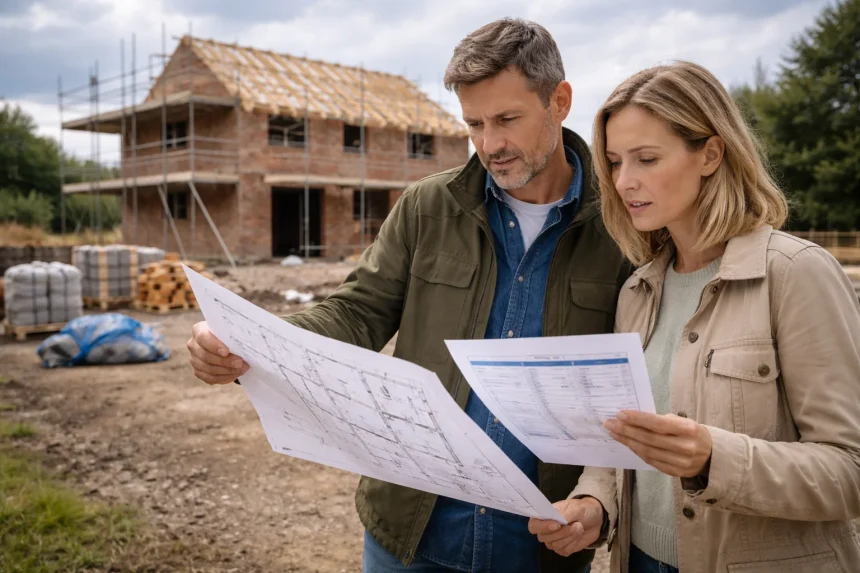
Building a house in the UK in 2026 usually costs between £1,750 and £3,000 per square metre, which means most people spend around £187,000 to £477,000 depending on the size, location and quality of the home. A typical three-bedroom house often costs between £242,000 and £363,000 before adding land, professional fees and landscaping.
Before you start, it is important to remember that no two projects cost exactly the same. A house in London can cost nearly twice as much as a similar home in northern England, while high-end kitchens, difficult ground conditions or major design changes can increase the budget quickly.
Key takeaways:
- Most UK house builds cost £1,750–£3,000 per m²
- Professional fees usually add another 15%
- You should allow an extra 8–10% contingency
- London and the South East are the most expensive areas
- Simpler designs are usually cheaper and easier to build
What Is the Total Cost to Build a 2, 3, 4 or 5 Bedroom House?
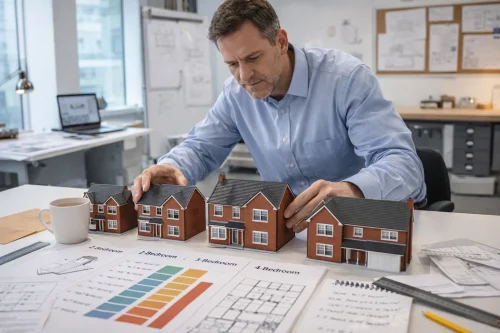
The total cost of building a house depends on how many bedrooms you need, the size of the property and the level of finish you choose. A larger house does not simply cost more because it has more bedrooms. Bigger homes also need more foundations, roofing, insulation, electrics, heating and decorating.
For most people, the bedroom count is the easiest way to understand how much a house build is likely to cost.
How Much Does It Cost to Build a 2 Bedroom House?
A typical two-bedroom house in the UK is usually between 75m² and 95m². Using the average 2026 build cost range of £1,750–£3,000 per m², you can expect to spend between £187,625 and £281,437.
This type of property is often the most affordable option for first-time self-builders, couples or retirees who want to downsize without compromising on quality.
Typical costs for a two-bedroom house include:
- Basic specification: £187,000–£220,000
- Mid-range specification: £220,000–£250,000
- Premium specification: £250,000–£281,000+
A two-bedroom home can often be built more cheaply because it usually has:
- A smaller roof area
- Fewer bathrooms and plumbing points
- Lower heating and electrical installation costs
- Less flooring, decorating and landscaping
However, a small home is not always inexpensive. If you choose an expensive location, unusual architecture or premium materials, the cost can still rise significantly.
For example, a compact two-bedroom house in Yorkshire with standard finishes might cost around £200,000, while the same-sized home in Surrey with bi-fold doors, underfloor heating and bespoke joinery could exceed £280,000.
How Much Does It Cost to Build a 3 Bedroom House?
A three-bedroom house is the most common self-build size in the UK. Most three-bedroom homes are around 100m² to 130m², giving a likely build cost of between £242,250 and £363,375.
A standard three-bedroom home of around 120m² often costs £210,000–£360,000 before adding extras such as landscaping or premium finishes.
This house size is popular because it offers enough room for a family while still remaining manageable in terms of cost.
Typical price ranges include:
- Standard detached or semi-detached home: £242,000–£300,000
- Better-quality specification with upgraded finishes: £300,000–£340,000
- High-end build in London or the South East: £340,000–£363,000+
Many people underestimate how quickly costs increase once they start upgrading their specification. A better kitchen, larger windows, extra bathrooms or more complex roof design can add tens of thousands of pounds.
One experienced architect explained this clearly:
“You give out 100 identical drawings and specifications to 100 builders, and I can assure you, you will get 100 different cost estimates from each builder.”
That happens because every builder prices labour, materials and risk differently. If your drawings are vague, builders may leave out important details, which can lead to expensive surprises later.
When planning a three-bedroom house, you should also budget for:
| Item | Typical Cost Range |
| Kitchen and utility room | £15,000–£35,000 |
| Two bathrooms | £8,000–£20,000 |
| Flooring and decorating | £10,000–£20,000 |
| Landscaping and driveway | £5,000–£15,000 |
These additional costs can add £38,000 to £90,000 to the overall budget of a three-bedroom house, so it is important to include them in your plans from the beginning.
How Much Does It Cost to Build a 4 or 5 Bedroom House?
A four-bedroom house usually measures between 140m² and 180m², while a five-bedroom home can easily exceed 180m².
In 2026, you should expect to spend:
- Four-bedroom house: £294,500–£441,750
- Five-bedroom house: £318,250–£477,375
Larger homes cost more because every additional bedroom often comes with more supporting space, including extra bathrooms, hallways, storage, larger kitchens and more extensive heating systems.
A four or five-bedroom home often includes:
- Three or more bathrooms
- A larger open-plan kitchen and living space
- Bigger roof and structural frame
- Additional windows and insulation
- More expensive electrical and plumbing work
For many families, a four-bedroom house represents the point where build costs rise sharply. Once a home becomes larger than around 150m², construction often becomes more complex and labour costs increase.
Typical budget breakdowns include:
- Mid-range four-bedroom home: £320,000–£380,000
- High-specification four-bedroom home: £400,000–£440,000
- Five-bedroom detached home with premium finishes: £450,000–£477,000+
One homeowner described the experience like this:
“You have a budget, you are completely thrilled about your project but do not realise you have been under-quoted on the cost of building a house. All of a sudden, boom, you have been hit with rising costs during construction because they were not planned correctly.”
That is why it is so important to set a realistic budget from the beginning and include a contingency fund for any unexpected changes.
Why Does the Cost of Building a House Vary So Much Across the UK?
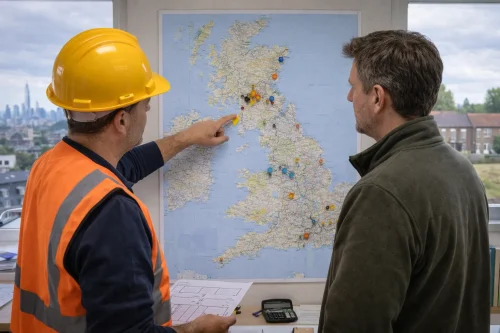
The cost of building a house can vary dramatically depending on where you live. London and the South East are usually the most expensive places to build because labour costs are higher, land is more expensive and there is more competition for contractors.
By comparison, the Midlands, North and parts of Scotland often offer much lower build costs.
Construction firms also charge more in areas where there are shortages of skilled workers or where materials must travel long distances. Coastal areas and rural parts of the South West can also be expensive because access is more difficult and there is strong demand for high-performance homes.
| Region | Average Cost Per m² |
| London | £3,000–£4,000+ |
| South East | £2,700–£3,500 |
| South West | £2,200–£3,000 |
| Midlands | £1,900–£2,500 |
| North of England | £1,750–£2,300 |
| Scotland | £1,700–£2,400 |
London and the South East can command a 35–40% premium over the national average. In contrast, many parts of northern England still offer build costs below £2,000 per m².
What Costs Are Included When You Build a House From Scratch?
When you build a house from scratch, the total cost is made up of far more than just bricks and labour. Most people focus on the visible parts of the build, such as walls, windows and kitchens, but a large amount of the budget is spent on foundations, services, professional fees and work that happens before the house even starts to take shape.
What Do Groundworks, Foundations and Structure Usually Cost?
Groundworks and structure usually account for around 35–45% of the total build cost. This stage includes preparing the site, excavating foundations, laying drains and building the structural shell of the house.
Typical structural costs include:
- Site clearance and excavation: £5,000–£15,000
- Foundations and groundworks: £15,000–£40,000
- Drainage and utilities: £5,000–£15,000
- Structural frame and walls: £40,000–£80,000
- Roof structure and covering: £15,000–£35,000
The final figure depends heavily on the site. A flat plot with good ground conditions is usually much cheaper to build on than a sloping site or one with poor soil.
As one architect noted, “Further costs might arise due to unforeseen conditions on your site. These might include sloping ground, poor ground or structural conditions and contamination.”
If you discover poor drainage, unstable soil or buried services after work begins, the foundations alone can cost thousands of pounds more than expected.
What Do Plumbing, Electrics and Interior Finishes Cost?
After the structure is complete, the next major expense is fitting out the inside of the house. Plumbing, heating, electrics and interior finishes can account for another 30–40% of your budget.
Typical interior costs include:
| Interior Element | Typical Cost Range |
| Plumbing and heating | £10,000–£25,000 |
| Electrical installation | £6,000–£15,000 |
| Kitchen | £10,000–£35,000 |
| Bathrooms | £4,000–£20,000 |
| Flooring | £5,000–£15,000 |
| Decorating and plastering | £5,000–£12,000 |
These costs can vary enormously depending on the specification you choose. A standard bathroom may cost £4,000, while a luxury bathroom with high-end fittings, stone tiles and underfloor heating could cost more than £10,000 on its own.
The same applies to kitchens. A basic kitchen from a major retailer may cost around £10,000 installed, but a bespoke kitchen with premium appliances can easily exceed £35,000.
Many homeowners find that interior choices are where the budget begins to spiral. Small upgrades such as oak flooring, designer lighting or bi-fold doors may not seem expensive individually, but together they can add tens of thousands of pounds.
What Extra Costs Do People Often Forget to Include?

One of the biggest mistakes people make is forgetting the additional costs that sit outside the main construction budget. These expenses are often unavoidable and can easily add another 20–25% to the overall project.
Extra costs often include:
- Architect fees
- Structural engineer fees
- Planning application fees
- Building regulations approval
- Insurance
- Utility connections
- Landscaping
- Driveways and fencing
- Temporary site facilities
- Contingency fund
You should usually allow:
- Around 15% of the build cost for professional fees
- Around 8–10% for contingency and statutory costs
For example, if your house costs £300,000 to build, you may need:
- £45,000 for architects and consultants
- £24,000–£30,000 contingency
- £10,000–£20,000 for landscaping and external works
That means the true project cost could be closer to £380,000–£395,000.
How Much Should You Budget for Architects, Planning and Other Professional Fees?
Professional fees are an essential part of any house-building budget. In most UK projects, you should expect these costs to add around 12–15% to the total construction cost.
Architects usually charge either a fixed fee or a percentage of the project value. Structural engineers, planning consultants and building control inspectors are normally charged separately.
| Professional Service | Typical Cost |
| Architect | 7–12% of build cost |
| Structural engineer | £1,500–£5,000 |
| Planning application | £258–£578+ |
| Building regulations approval | £500–£1,500 |
| Quantity surveyor | £1,000–£3,000 |
| SAP assessment and energy reports | £300–£1,000 |
| Party wall surveyor | £700–£2,000 |
For a £300,000 build, a realistic allowance for all professional fees is often around £35,000–£45,000.
You should also reserve extra money for planning changes, revised drawings or specialist consultants. If your site is complex or located in a conservation area, the cost of planning and design work can increase substantially.
How Do House Design and Material Choices Affect the Final Cost?
The design of your house has one of the biggest effects on your final budget. A simple rectangular house with a straightforward roof is much cheaper to build than a home with unusual angles, large areas of glazing or several storeys.
The cheapest homes usually have:
- A simple shape
- A standard pitched roof
- Fewer bathrooms
- Standard-sized windows
- Basic finishes
By contrast, the following features normally increase costs:
- Large open-plan spaces
- Double-height ceilings
- Floor-to-ceiling glazing
- Basements
- Complex roof shapes
- Luxury kitchens and bathrooms
Material choices also matter. Timber-frame construction can sometimes reduce build time and lower labour costs, while traditional brick homes often cost more but may add long-term value.
Brickwork alone can account for around 6–7% of the total build cost. On a £600,000 project, that can mean £45,000–£50,000 just for the brick exterior.
A simple three-bedroom brick house in the Midlands might cost around £260,000. The same house with zinc cladding, extensive glazing and premium finishes could cost more than £350,000.
Should You Manage the Build Yourself or Hire a Main Contractor?
One of the biggest decisions you will make is whether to manage the build yourself or hire a main contractor. Both options can work well, but they have very different costs, risks and responsibilities.
Is It Cheaper to Project Manage the Build Yourself?
Managing the project yourself can save money because you do not need to pay a builder’s management fee or profit margin. In some cases, self-managing can reduce costs by 10–20%.
If you decide to manage the build yourself, you would normally hire and coordinate each trade individually, including groundworkers, bricklayers, electricians, plumbers, roofers and decorators. This approach can work well if you have construction experience, enough time and the confidence to oversee the project.
However, it also means you become responsible for managing schedules, controlling the budget and dealing with any problems that arise during the build.
The main advantage of managing the project yourself is that it can reduce the overall cost because you are not paying a contractor’s management fee. You also have greater control over the materials used, the timing of each stage and any changes you want to make during construction.
On the other hand, it can be much more stressful and time-consuming. There is a greater risk of delays, coordination problems and costly mistakes if one trade falls behind or if work is not organised correctly.
If one trade finishes late or another does not turn up, you must deal with the problem yourself. Many self-builders underestimate how much time this takes.
What Are the Benefits of Hiring a Main Contractor?
A main contractor takes responsibility for managing the entire project. They organise the trades, order materials and keep the build moving.
Although this usually costs more, many homeowners prefer it because it reduces stress and provides a clearer budget.
The main benefits include:
- One point of contact throughout the build
- Better coordination between trades
- Less day-to-day involvement for you
- More predictable programme and budget
Many contractors also offer fixed-price contracts. These can reduce the risk of unexpected costs because the price is agreed in advance.
However, you should still check exactly what is included. Some contractors appear cheaper at first but later charge extra for items that were not included in the original quote.
As one architect warned, “A lot of building contractors sometimes under-quote at the outset of a project, then later ask for extra payment.”
For most people with a full-time job or limited building experience, hiring a main contractor is usually the safer and more practical option.
What Hidden Costs Can Increase Your House Building Budget?
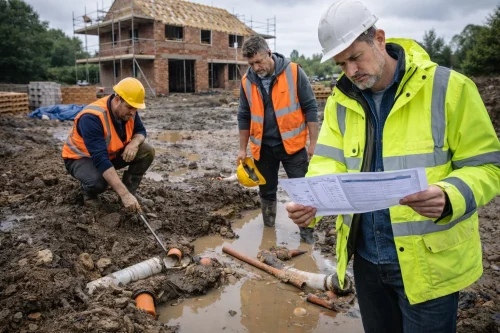
Hidden costs are one of the main reasons house-building projects go over budget. Even if your contractor gives you a detailed quote, there are often expenses that appear later.
Common hidden costs include:
- Poor ground conditions
- Additional drainage work
- Rising material prices
- Temporary accommodation during the build
- Upgrades to kitchens or bathrooms
- Delays caused by weather
- Utility connection charges
- Landscaping and fencing
Labour and material prices have continued to rise in 2026, particularly in London and the South East. Construction inflation has slowed, but prices are still increasing by around 3% each year.
Another common problem is changing your mind once work has started. Moving a wall, upgrading windows or changing the roof design may seem minor, but these changes often affect several other parts of the build.
To protect yourself, always include at least 8–10% contingency in your budget and make sure your drawings and specifications are fully completed before construction begins.
What Is the Cheapest Way to Build a House Without Compromising Quality?
The cheapest way to build a house is usually to keep the design simple and avoid unnecessary complexity. A compact rectangular house with a standard roof is much cheaper than a house with multiple extensions, awkward corners or large areas of glazing.
You can reduce costs by:
- Choosing a simple layout
- Using standard-sized materials
- Avoiding expensive structural changes
- Building in phases
- Comparing several contractor quotes
Timber-frame construction can also be more affordable because it is quicker to install and may reduce labour costs. However, it is important not to cut corners on insulation, ventilation or structural quality.
A smaller but well-designed house often feels more comfortable and practical than a larger home with wasted space. If you focus on long-term value and efficient design, you can build a quality home without overspending.
How Can You Accurately Estimate the Cost of Building Your House?
The best way to estimate your house-building cost is to start with the size of the property and multiply it by the average cost per square metre in your area.
For example, a 120m² house in the Midlands built at £2,200 per m² would have a base construction cost of £264,000. You should then add around 15% for professional fees, which would add approximately £39,600, followed by a further 10% contingency of around £26,400. This would bring the total estimated project cost to roughly £330,000.
Once you have this initial estimate, you should speak to an architect and obtain planning drawings, building regulations drawings and a detailed specification for the project.
It is also important to collect several contractor quotes so you can compare prices accurately. The more detailed your plans and specifications are, the more reliable your cost estimate will be. A proper bill of quantities can also help you compare builders fairly and reduce the risk of expensive surprises later in the project.
Conclusion
Building a house in the UK in 2026 is a major investment, but understanding the likely costs can help you plan with confidence. Most projects cost between £1,750 and £3,000 per square metre, although location, design and finishes can change the final figure significantly.
If you are building a modest two-bedroom house, you may spend around £190,000. A larger four or five-bedroom family home could easily exceed £450,000 once professional fees and contingency are included.
The most important step is to create a realistic budget before work begins. Detailed drawings, clear specifications and a contingency fund can prevent many of the problems that cause projects to run over budget.
If you plan carefully and avoid unnecessary changes during construction, you will be far more likely to build the home you want without facing expensive surprises.
FAQs
Can you build a house in the UK for under £200,000?
Yes, it is possible to build a small two-bedroom house for under £200,000 in some parts of the UK. This is more realistic in northern England, Wales or Scotland where labour and land costs are lower.
How much does planning permission cost when building a house?
Planning permission for a new house in England usually costs around £578. You may also need to pay additional fees for surveys, drawings and planning consultants.
Do self-build homes qualify for a VAT refund?
Yes, most self-build projects can reclaim the VAT paid on many building materials and services. You must keep all receipts and apply through HMRC once the build is complete.
Is it cheaper to build a house or buy an existing one?
Building a house can sometimes be cheaper in areas with lower land prices, especially if you manage the project carefully. However, buying an existing home is often quicker and may involve fewer unexpected costs.
How long does it usually take to build a house?
Most house-building projects take between 6 and 12 months once construction starts. Larger or more complex homes can take longer, especially if there are delays with planning or bad weather.
Should you include a contingency fund in your budget?
Yes, you should always include a contingency fund of at least 8–10% of the total build cost. This helps cover unexpected problems such as rising material prices or difficult ground conditions.
What is the most expensive part of building a house?
The structure and foundations are usually the most expensive part of the build because they involve significant labour and materials. Kitchens, bathrooms and interior finishes are often the next biggest costs.