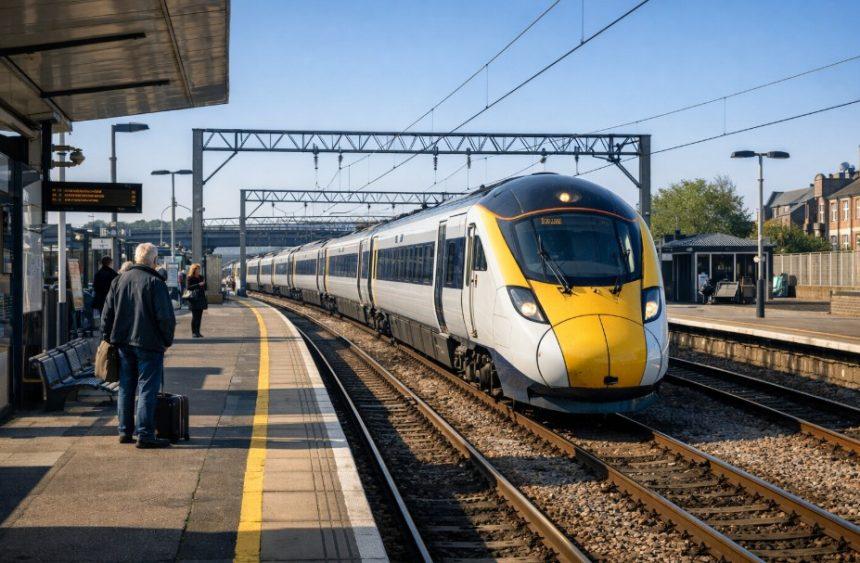
If you are wondering when is off peak on trains in the UK, the simple answer is that off-peak travel usually starts after 09:30 on weekdays in cities and after 09:00 in other areas, while weekends and bank holidays are off-peak all day. These times allow you to travel at cheaper fares when trains are less busy.
Here are the key takeaways you should know:
- Off-peak tickets are cheaper than peak time fares
- Weekday off-peak usually begins mid-morning
- Weekend travel is generally off-peak all day
- Super off-peak tickets offer the lowest fares but stricter rules
- Exact times vary depending on your route and train operator
Understanding these basics helps you plan smarter journeys, avoid unnecessary costs, and travel more comfortably across the UK rail network.
What Does “Off-Peak” Mean on UK Trains and Why Does It Matter?
Off-peak on UK trains refers to travel periods when demand is lower, meaning trains are less crowded, and fares are cheaper. These times are set by train operators to encourage passengers to travel outside busy commuter hours.
In simple terms, off-peak travel gives you flexibility and savings, but you must follow certain time restrictions. This matters because ticket prices in the UK can vary significantly depending on when you travel.
Key points to understand include:
- Off-peak tickets are valid only during quieter travel times
- Peak hours usually cover early mornings and late afternoons on weekdays
- Super off-peak tickets are even cheaper but come with stricter limits
- Not all routes follow identical timing rules
Travellers often say these tickets make a noticeable difference in cost.
One passenger shared, “I always check off-peak times before booking because it cuts my fare nearly in half. It makes spontaneous trips more affordable. Once you understand the timings, it becomes second nature.”
Ultimately, off-peak travel matters because it helps you save money while avoiding crowded trains, making your journey more comfortable and efficient.
When Is Off Peak on Trains in the UK During Weekdays?
During weekdays, off-peak train times in the UK typically begin after the morning rush hour. In most cities and large towns, this means travel is allowed from around 09:30 onwards. In smaller towns or less busy routes, off-peak may start slightly earlier at around 09:00.
However, these times are not fixed across all services. They can vary depending on the train operator, route, and ticket type. Some services also have evening restrictions, meaning certain trains during late afternoon or early evening may still be considered peak.
Important weekday details include:
- Morning peak usually ends between 09:00 and 09:30
- Off-peak applies to trains departing after this time
- Evening peak restrictions may still apply on some routes
- Always check your ticket’s restriction code for exact validity
Many commuters adjust their schedules to benefit from these savings.
One regular traveller explained, “I delay my journey by half an hour just to qualify for off-peak fares. It saves me a lot over time. It is worth planning around.”
Understanding weekday off-peak timings helps you avoid higher fares and travel more economically.
Are Weekends and Bank Holidays Always Off Peak on UK Trains?
Yes, weekends and bank holidays are generally considered off-peak across the UK rail network. This means you can usually travel at any time during these days using off-peak or super off-peak tickets without worrying about strict time restrictions.
This makes weekends ideal for leisure travel, family trips, or short getaways, as fares are typically lower and availability is more flexible. However, while most routes follow this rule, there may still be rare exceptions depending on specific services or engineering works.
Key things to keep in mind include:
- Off-peak applies all day on Saturdays, Sundays, and bank holidays
- Fewer restrictions compared to weekday travel
- Trains may still be busy during popular travel times
- Always confirm your ticket validity for specific journeys
Travellers often find weekend travel more relaxed and affordable.
One passenger mentioned, “Weekend journeys feel much easier because you do not have to worry about timing restrictions. You can just book and go. It takes the stress out of planning.”
Overall, weekends provide the most flexible and cost-effective off-peak travel opportunities.
What Is the Difference Between Off-Peak and Super Off-Peak Tickets?
Understanding the difference between off-peak and super off-peak tickets is essential if you want to find the best value for your journey. Both ticket types are designed to offer cheaper travel outside busy periods, but they come with different levels of flexibility and restrictions.
Off-peak tickets are moderately flexible and allow travel during quieter times of the day. Super off-peak tickets, on the other hand, are the cheapest option but come with stricter limitations on when and how you can travel. Choosing between them depends on your schedule, flexibility, and budget.
How Are Super Off-Peak Tickets More Restricted?
Super off-peak tickets offer the lowest fares, but they are also the most restrictive. They are typically limited to very specific times and may exclude certain trains altogether.
These restrictions often include:
- Limited departure windows, often later in the day
- Exclusion from busy afternoon or early evening services
- Restrictions to certain routes or train operators
- Fewer available trains compared to standard off-peak tickets
While they can save you money, they require careful planning. If you miss your train or need to travel earlier, you may need to buy a new ticket or pay the difference.
Which Ticket Type Should You Choose for Your Journey?
Choosing between off-peak and super off-peak tickets depends on how flexible your travel plans are. If you need more freedom to choose your departure time, a standard off-peak ticket is usually the better option.
Consider the following when deciding:
- Choose off-peak if you need flexibility and multiple train options
- Choose super off-peak if your travel time is fixed and you want the lowest fare
- Check journey planners to compare available tickets
- Think about potential delays or changes in your schedule
Many travellers prefer off-peak tickets for peace of mind, even if they cost slightly more.
Are Super Off-Peak Tickets Available on All Routes?
Super off-peak tickets are not available on every route in the UK, as their availability depends on factors such as demand, route popularity, and the policies set by individual train operators. On busy or high-demand routes, these cheaper fares may not be offered at all, while they are more commonly available on long-distance journeys or less crowded services.
When planning your trip, journey planners will usually indicate whether super off-peak tickets are available for your chosen route. It is also important to note that restrictions can vary significantly depending on the service, meaning the times and conditions for travel may differ from one journey to another.
Because of these differences, it is always advisable to check your ticket details carefully before booking. Doing so helps ensure you choose the most suitable and cost-effective option for your travel needs.
How Do Off-Peak Train Ticket Restrictions Work in the UK?
Off-peak train ticket restrictions in the UK are determined by specific rules that control when and how your ticket can be used. These rules are designed to manage demand and ensure that cheaper fares are only used during less busy periods.
One of the most important elements is the restriction code printed on your ticket. This code defines the exact times, routes, and conditions for your journey.
Here is how restrictions typically work:
- Each ticket has a unique restriction code
- Codes specify valid travel times and excluded services
- Some tickets limit travel to certain routes or operators
- Breaks in your journey are often allowed unless restricted
It is also important to understand that ticket validity starts at midnight and runs until early morning the next day, allowing overnight journeys to be completed.
Because restrictions vary widely, you should always check the details before travelling. This ensures you stay within the rules and avoid unexpected charges or penalties.
Can You Use an Off-Peak Ticket at Any Time or Change Your Travel Plans?

Off-peak tickets offer flexibility, but they are not valid at all times. You must travel within the permitted time windows shown on your ticket. If your plans change, there are options available, but they depend on the type of ticket you hold and when you make changes.
What Happens If You Travel During Peak Hours by Mistake?
If you travel during peak hours with an off-peak ticket, you may be required to pay the difference between your ticket and a full fare ticket. In some cases, you could also face a penalty fare.
Common outcomes include:
- Paying an upgrade to an anytime ticket
- Being charged a penalty if rules are ignored
- Being asked to leave the train if the ticket is invalid
This is why checking your departure time carefully is essential before boarding.
Can You Change or Refund an Off-Peak Ticket?
Off-peak tickets can usually be changed or refunded, but conditions apply. If your train is delayed or cancelled, you are generally entitled to a full refund without a fee.
Other important points include:
- Refunds may include an administration fee
- Changes must often be made before travel begins
- New rules from April 2026 may limit refunds after validity starts
- Tickets must be returned to the original retailer
Planning ahead can help you avoid unnecessary charges.
How Flexible Are Off-Peak Return Tickets?
Off-peak return tickets offer more flexibility compared to single tickets. The outward journey is usually valid only on the date shown, but the return portion can often be used within one month, giving you more freedom when planning your trip.
With this type of ticket, you do not need to book a specific train for your return, allowing you to travel at a time that suits you within the permitted off-peak hours. You can also choose different return times as long as they fall within the valid period, and in many cases, breaks in your journey are allowed depending on the ticket conditions.
Because of this added flexibility, off-peak return tickets are a popular choice for travellers who want to save money while keeping their plans open.
How Can You Save Money Using Off-Peak and Railcard Discounts?
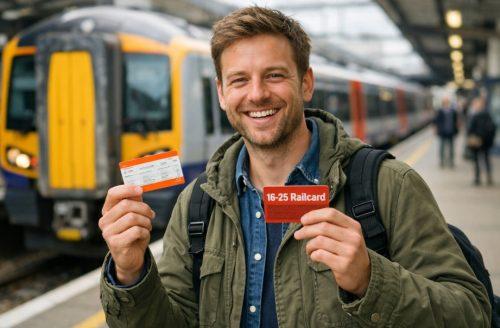
Saving money on UK train travel becomes much easier when you combine off-peak tickets with available discounts. These savings can significantly reduce the cost of your journey, especially for regular travellers or families.
Off-peak tickets are already cheaper than peak fares, but additional discounts can make them even more affordable. Railcards are one of the most effective ways to achieve this.
Here are some key ways to save:
- Children aged 5 to 15 receive 50 percent off fares
- Most railcards offer one third off standard fares
- Special railcards provide up to 50 percent discounts in some cases
- Minimum fare rules may apply during weekday mornings
Timing your journey correctly also plays a big role. Travelling after morning peak hours or on weekends can maximise savings.
By combining smart timing with the right discounts, you can make train travel in the UK much more budget-friendly without sacrificing convenience.
What Should You Check Before Buying an Off-Peak Train Ticket?
Before purchasing an off-peak train ticket, it is important to review a few key details to ensure your journey goes smoothly. Small differences in timing or restrictions can affect whether your ticket is valid.
Start by checking the departure time of your train. Make sure it falls within off-peak hours for your specific route. Then review the restriction code to understand any limitations.
Important checks include:
- Confirming off-peak start times for your journey
- Reviewing restriction codes and conditions
- Checking route and operator limitations
- Understanding ticket validity and return rules
- Considering seat reservation options
A practical example is a traveller planning a morning trip who unknowingly books a train before 09:30. This could result in extra charges or denied boarding.
Taking a few minutes to review these details can help you avoid confusion and ensure a smooth travel experience.
Conclusion
Understanding when is off peak on trains in the UK allows you to travel smarter, save money, and avoid unnecessary stress. Off-peak travel generally begins after 09:30 on weekdays in cities and earlier in less busy areas, while weekends offer full-day flexibility.
By learning the differences between ticket types, checking restrictions, and planning your journey carefully, you can make the most of cheaper fares. Off-peak tickets provide a balance between cost and convenience, while super off-peak options offer even greater savings for those with flexible schedules.
Ultimately, the key is to stay informed and check your ticket details before travelling. With the right approach, you can enjoy a smoother, more affordable rail experience across the UK.
FAQs
What time do off-peak trains usually start in the UK?
Off-peak trains usually start after 09:30 in cities and after 09:00 in less busy areas. Exact times can vary depending on the route and operator.
Are off-peak tickets cheaper than regular tickets?
Yes, off-peak tickets are cheaper than peak or anytime tickets. They are designed for travel during less busy periods.
Can I travel anytime with an off-peak ticket?
No, off-peak tickets are only valid during specific times. You must follow the restrictions shown on your ticket.
Do off-peak times vary between train companies?
Yes, different train operators may have slightly different off-peak timings. Always check your ticket details before travelling.
Are super off-peak tickets always available?
No, super off-peak tickets are not available on all routes. Their availability depends on demand and the specific journey.
Can I use a railcard with off-peak tickets?
Yes, most railcards can be used with off-peak tickets to get additional discounts. Some minimum fare rules may apply.
What happens if my train is delayed with an off-peak ticket?
If your train is delayed or cancelled, you are usually eligible for a refund. Conditions depend on the ticket type and situation.