
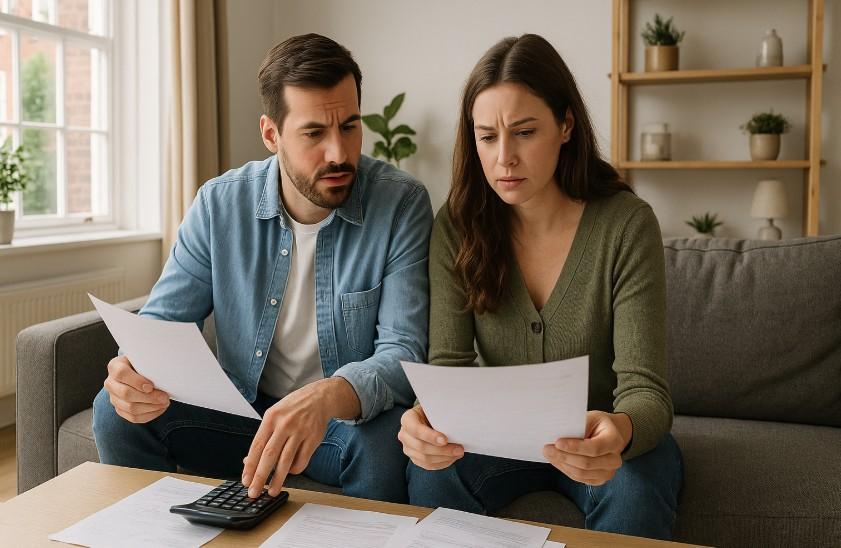
Are you wondering whether your electricity bill is in line with others living in a two-person home in the UK? With energy prices rising and bills changing seasonally, it can be tricky to know what’s considered normal. Understanding what contributes to the average electricity bill helps you plan your budget more effectively and avoid unexpected charges.
For a two-person household in the UK, the average electricity bill typically falls between £55 and £75 per month. This range is influenced by various factors such as your energy consumption habits, the size and type of your home, your electricity tariff, and how efficiently your household appliances perform.
In this guide, you’ll find clear explanations of usage categories, cost breakdowns, and practical tips for keeping your electricity bill within the average range. Whether you rent a flat or own a detached house, understanding the averages can help you take control of your energy spending.
How Much Is the Average Electricity Bill for a 2-Person Household in the UK?
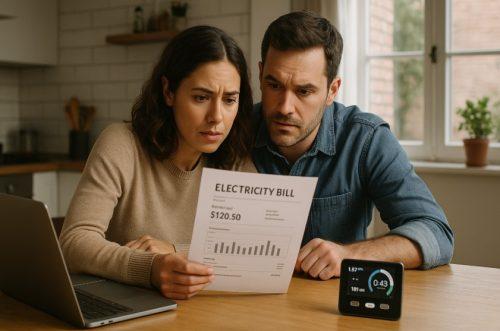
The average electricity bill for a two-person household in the UK ranges from £55 to £75 per month, based on Ofgem’s Typical Domestic Consumption Values (TDCVs) and recent price caps from July to September 2025. This equals an annual cost of £650 to £882, depending on usage and tariff type.
This pricing is calculated using the average unit rate of 25.73p per kWh and a standing charge of 51.37p per day, applied to typical electricity consumption of 1,800 kWh (low) to 2,700 kWh (medium) per year. These figures reflect homes using standard single-rate tariffs and paying by Direct Debit.
The actual amount you pay monthly can vary depending on whether you’re on a fixed or variable rate tariff, your location, or if you benefit from off-peak pricing like Economy 7. However, these benchmark figures help you understand where your consumption stands compared to the national average.
| Usage Level | Annual Usage (kWh) | Annual Cost (£) | Monthly Usage (kWh) | Monthly Cost (£) |
| Low | 1,800 | £651 | 150 | £54 |
| Medium | 2,700 | £882 | 225 | £74 |
Knowing this average allows you to track whether you’re being charged fairly or using more electricity than needed.
What Do Low, Medium, and High Electricity Usage Levels Mean?
Understanding electricity usage levels is the first step in assessing whether your energy consumption is above or below average. Ofgem defines usage categories to represent typical household energy demands, helping suppliers and consumers estimate costs more accurately.
Electricity Usage Levels for UK Households
| Usage Level | Annual Usage (kWh) | Home Type | Residents | Monthly Usage (kWh) | Monthly Cost (£) | Annual Cost (£) |
|---|---|---|---|---|---|---|
| Low | 1,800 | Flat or 1-bedroom home | 1 to 2 people | 150 | £54 | £650 |
| Medium | 2,700 | 2 to 3-bedroom home | 2 to 3 people | 225 | £74 | £882 |
| High | 4,100 | Larger home or tech-heavy | 3 to 4+ people | 340 | £110+ | £1,300+ |
This level reflects households using multiple energy-intensive appliances like tumble dryers, electric heating, or charging electric vehicles.
| Category | Typical Annual Use | Typical Monthly Cost |
| Low | 1,800 kWh | £54–£55 |
| Medium | 2,700 kWh | £74–£75 |
| High | 4,100 kWh | £110+ |
Identifying your category gives you insight into your expected billing and highlights if there’s room to improve your energy efficiency.
What Factors Affect Your Electricity Bill?
Many factors influence your monthly electricity bill, and understanding these can help you manage your energy usage effectively. While the number of people in the household is important, it’s far from the only variable.
- Home Type and Size: A small flat typically uses less electricity than a detached house due to fewer rooms to heat and fewer lighting points. Older, poorly insulated homes also require more energy to maintain comfort.
- Heating Method: Homes using electric heating, immersion heaters, or storage heaters tend to have higher electricity costs than those using gas boilers.
- Appliance Use: Energy-hungry appliances like tumble dryers, dehumidifiers, gaming consoles, and electric ovens can increase your bill quickly, especially if used frequently.
- Tariff Type and Rates: Fixed, variable, or time-of-use tariffs such as Economy 7 can make a big difference in costs, particularly if you’re able to use appliances during off-peak hours.
- Lifestyle and Habits: Working from home, having guests over, or spending more time indoors can all raise your usage. Likewise, leaving devices on standby or using high-wattage lights unnecessarily adds to the bill.
- Payment Method: Paying via Direct Debit is often cheaper. Suppliers may offer discounts or lower rates for those using this method over Pay As You Go options.
Monitoring these factors can help you better understand your bill and take steps to lower it where possible.
Why Might Your Electricity Bill Be Higher or Lower Than Average?
Even among two-person households, electricity bills can vary significantly. Seasonal changes are one key reason. During winter, days are shorter and heating demands are higher, especially if your home uses electric systems. In contrast, summer months may lower your energy use due to less lighting and reduced heating needs.
Lifestyle plays another role. For instance, remote working, frequent guests, or owning power-intensive gadgets like electric heaters or gaming PCs can push your bills above average. Similarly, changes like installing energy-efficient appliances or using a smart meter to manage usage could bring costs down.
The accuracy of your bill also matters. Estimated readings often lead to overcharging. If your meter reading is outdated or not matching actual usage, it can skew your monthly charges. Knowing what affects your bill puts you in a better position to make changes that reduce costs over time.
How to Check If Your Electricity Bill Is Accurate?
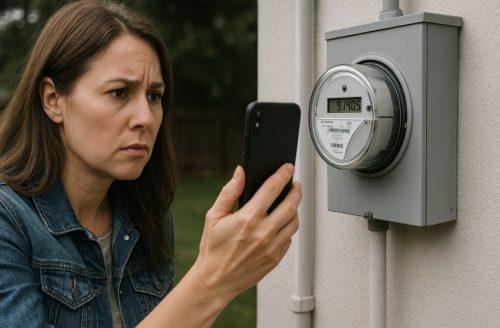
If your electricity bill feels unexpectedly high, it’s important to verify its accuracy before assuming increased usage. The first step is reviewing your kWh consumption, not just the cost. Look at how many units you’ve used and compare them to your past bills and average benchmarks.
Review the meter reading type:
- A – Actual reading: The most reliable and accurate
- S – Smart meter: Usually correct unless there’s a connection issue
- E – Estimated: Prone to errors and may not reflect true usage
If your bill is based on an estimated reading, take a manual reading from your meter, preferably with a date-stamped photo. Compare this against your bill to identify discrepancies. It’s also crucial to check that the meter serial number on your bill matches your actual meter.
Other checks to ensure accuracy:
- Recent changes at home: New appliances or staying home more
- Faulty meter: Rare, but possible. Your supplier can test it
- Billing period: Ensure the billing dates align with actual usage periods
If after these checks your bill still seems incorrect, contact your supplier for clarification. If unresolved after eight weeks or following a deadlock letter, escalate to the Energy Ombudsman for an independent review. Regular monitoring helps catch errors early and keeps your energy costs under control.
How Can You Lower the Average Electricity Bill for a 2-Person Household?
Reducing your electricity bill doesn’t require drastic lifestyle changes. Small, intentional habits can lead to meaningful savings over time. Start by using your smart meter display to track your consumption and identify which appliances use the most energy. Switching off standby devices, washing clothes at 30 degrees, and only boiling the water you need are simple ways to cut waste.
Take advantage of off-peak pricing if you’re on a tariff like Economy 7 by scheduling high-usage appliances during cheaper night-time hours. Replacing traditional bulbs with LEDs and using draught-proofing around windows and doors can further reduce usage.
Long-term, consider investing in solar panels with battery storage, such as the EcoFlow STREAM Ultra X system. It allows you to generate, store, and use your electricity more efficiently, especially if paired with smart tariffs. These combined efforts ensure your household remains energy-smart and cost-effective without sacrificing comfort or convenience.
Conclusion
Understanding the average electricity bill for a two-person household in the UK helps you better manage your monthly expenses and plan for future energy needs. By knowing what’s typical, you can more easily identify when your usage is higher than expected or if your tariff is no longer competitive. It also empowers you to take control with actionable steps that can make a real difference in your budget.
From checking your meter readings and comparing suppliers to making your home more energy-efficient and shifting usage to off-peak hours, there are several strategies you can implement with little to no upfront cost. As the cost of living continues to fluctuate, staying informed and proactive is essential.
No matter your living situation, taking a few simple measures can go a long way in maintaining manageable electricity costs while contributing to a more sustainable lifestyle.
FAQ
How much is the electricity bill for a 2 person household in the UK monthly?
For a two-person household, the average monthly electricity bill is between £55 and £75. This varies based on usage levels, tariff type, and home efficiency.
How much is gas and electricity for a 2 bed flat?
The average dual fuel bill for a two-bed flat is about £103 per month. This can vary depending on property insulation, location, and heating method.
What uses the most electricity in a house?
High-usage appliances like tumble dryers, electric heaters, and dishwashers consume the most energy. Always-on items like fridge-freezers also add to the cost.
How much is electric heating per month?
Electric heating can cost £160 to £250 per month depending on your home’s heat demand. Off-peak tariffs can reduce this cost with smart scheduling.
Why is my electricity bill higher than usual?
Unexpectedly high bills can result from increased usage, seasonal changes, or estimated readings. Faulty meters and tariff changes can also impact charges.
How do I check if my energy bill is correct?
Compare your bill’s kWh usage with your meter reading and past bills. Check for estimated readings and contact your supplier if figures seem off.
Can solar panels reduce my electricity bill in the UK?
Yes, solar panels with battery storage can significantly lower your bill. They generate power during the day and store it for use during peak times.