
Have you recently come across claims suggesting that the Department for Work and Pensions (DWP) will begin offering a £649 weekly State Pension starting in October 2025? If so, you’re not alone. These eye-catching headlines have circulated widely online, prompting confusion and excitement among pensioners and future retirees. But is there any truth to these announcements?
Unfortunately, this claim is entirely false. The actual State Pension amount remains significantly lower, and no official DWP documents or government statements confirm such an increase. It’s essential that you stay informed with accurate, verifiable data, especially when planning your retirement.
In this blog, we’ll walk you through everything you need to know about the State Pension in 2025, debunk the misinformation, and explain how you can protect yourself from misleading news. Let’s explore the facts and ensure your decisions are based on trusted sources, not viral rumours.
Is the DWP Really Paying £649 per Week in State Pension?

No, the DWP is not paying £649 per week in State Pension starting in October 2025. This claim has been widely shared online but has no foundation in official UK government announcements. In fact, the rumour falsely suggests that the new State Pension will triple in value, from £230.25 per week to £649 per week, which would be an unprecedented and unsustainable increase.
The source of this misinformation appears to be a viral article and social media posts that claimed the DWP made an official announcement regarding this increase. However, when checked against the DWP’s website and GOV.UK, there is no such confirmation.
As of April 2025, the confirmed full rate for the new State Pension is £230.25 per week. This amount is based on the annual triple lock guarantee. Always refer to trusted government websites like GOV.UK and Age UK are to avoid falling for similar claims in the future.
What Is the Actual State Pension Rate in 2025?
The confirmed full rate for the new State Pension in 2025 is £230.25 per week, based on government updates in April 2025. This figure was set using the triple lock system, which ensures annual increases based on the highest of earnings growth, inflation, or a minimum of 2.5 percent.
Contrary to what some false online claims state, there has been no official update or plan to raise the weekly amount to £649.
Such an increase would far exceed the current economic capacity of the UK’s pension system and has not been proposed by the DWP or Parliament. The real rate reflects modest, sustainable increases that align with cost-of-living changes and average earnings growth.
Here’s a side-by-side comparison of the claim versus the actual data:
| Detail | False Claim | Actual DWP Rate (2025) |
| Weekly Pension | £649 | £230.25 |
| Start Date | 21 October 2025 | April 2025 (Confirmed Rate) |
| Official Announcement | Unverified Sources | Confirmed by GOV.UK |
| Backed by Legislation | No | Yes |
Always verify such updates with trusted sources before adjusting your retirement expectations.
Who Is Eligible for the UK State Pension?

To qualify for the UK State Pension, you must meet specific age and contribution criteria set by the Department for Work and Pensions. The eligibility rules depend on your date of birth, gender, and National Insurance record. Men and women become eligible at different ages, and the pension age is gradually rising to reflect increased life expectancy.
Here’s what you need to know:
- Men must be born on or after 6 April 1951
- Women must be born on or after 6 April 1953
- You need at least 10 qualifying years on your National Insurance record to receive any pension
- You need 35 qualifying years for the full new State Pension
Each qualifying year is a year where you:
- Worked and paid National Insurance
- Claimed credits (for illness, unemployment, or caring)
- Paid voluntary contributions
Age Eligibility:
| Date of Birth | Eligible for New Pension | Notes |
| Before 6 April 1951 (Men) | No | Basic State Pension applies |
| Before 6 April 1953 (Women) | No | Basic State Pension applies |
| After 6 April 1951 (Men) | Yes | Eligible for new State Pension |
| After 6 April 1953 (Women) | Yes | Eligible for new State Pension |
Make sure you review your pension forecast to understand your eligibility and potential weekly payments.
How Is the State Pension Amount Calculated?
The amount you receive from the State Pension is based on your National Insurance (NI) record, particularly the number of qualifying years you’ve accumulated.
To receive the full new State Pension (£230.25 per week in 2025), you typically need 35 full qualifying years of contributions. If you have between 10 and 34 years, your pension will be pro-rated accordingly.
Here’s how qualifying years can be gained:
- Working and paying National Insurance
- Receiving NI credits for illness or caregiving
- Paying voluntary NI contributions
- Living or working abroad (in qualifying countries)
Impact on Pension Based on Contributions:
| Years of NI Contributions | Weekly Pension Estimate |
| Less than 10 years | £0 (Not eligible) |
| 10–34 years | Partial pension |
| 35+ years | Full pension (£230.25) |
If you were contracted out of the State Pension before 2016, you may need more than 35 years to qualify for the full amount. This is because part of your contributions went to a workplace or private pension.
Why Do These Rumours Spread About State Pension?

False rumours about significant increases in the State Pension, such as the £649 per week claim, are common online. These stories often spread because they are emotionally appealing, spark hope, and are widely shared on social media platforms without verification.
There are a few reasons why these types of hoaxes gain traction:
- Viral content: Clickbait headlines drive engagement.
- Lack of awareness: Many individuals are unaware of how the State Pension system works.
- No fact-checking: Articles are often not checked against official sources.
- Unverified websites: Misinformation may appear on unofficial or AI-generated pages.
Misinformation Tracking:
| Platform | How Misinformation Spreads |
| Facebook/WhatsApp | Shared by users with no fact-checks |
| Blogs | Repost AI-generated or fake news |
| YouTube | Monetised videos with misleading info |
To avoid falling for false claims, always verify pension updates directly on GOV.UK.
How Can You Check Your Real State Pension Forecast?
Checking your State Pension forecast is the best way to know how much you’ll receive and when.
You can do this easily online through the GOV.UK State Pension forecast service, which shows:
- Your estimated weekly payment
- The earliest date you can claim
- Whether you’re on track for the full amount
- Details about any gaps in your National Insurance record
Here’s how to check it:
- Go to the GOV.UK State Pension forecast page
- Log in using your Government Gateway ID
- View your pension details securely
You should also check if you’ve been contracted out or missed contributions in certain years. This can affect the total pension you qualify for. If you notice gaps, you may be able to fill them with voluntary contributions.
Checking early gives you time to increase your contributions or adjust your retirement plans. It’s best to review your forecast annually or when your circumstances change, such as career shifts or moving abroad.
What to Do If You See Fake DWP Announcements?
When you come across social media posts or news articles claiming sudden increases to the State Pension, the first step is to stay cautious. Fake DWP announcements often use official-looking graphics or wording to appear legitimate. These posts are designed to attract clicks or gather personal information, so never share them without verification.
Before believing or reposting such information, always check official sources. The genuine DWP updates are only published on GOV.UK, Age UK, and trusted media outlets such as the BBC or The Guardian. If the claim does not appear on these sites, it’s likely to be false.
You should also report fake pension information through Action Fraud or to your local citizen advice service. Being vigilant not only protects your financial information but also helps prevent others from being misled by online scams targeting pensioners.
How to Correctly Claim Your State Pension?

Applying for your State Pension is a straightforward process when you follow the correct steps. Many false claims mislead people into thinking they need to sign up through unofficial websites or pay a fee. The truth is, you can only claim through official DWP channels, and it’s completely free.
How and When to Apply? (Online, Post, or Phone)
You can apply up to four months before reaching your State Pension age. Most people apply online via GOV.UK, which is the fastest and most secure option.
If you prefer traditional methods, you can request an application form by post or by calling the Pension Service. There is also an option to apply by phone if you need support or accessibility assistance. The DWP usually sends you an invitation letter three months before you reach State Pension age with details on how to claim.
Required Information for Application
To complete your claim, you’ll need:
- Your bank or building society account details
- The date of your most recent marriage, civil partnership, or divorce
- Details of any work or residence abroad
- Social security numbers from any foreign pension schemes
Always double-check that you are using official government forms, as fraudulent websites may attempt to collect your personal details.
Overseas Claims and Eligibility
If you live abroad, you can still claim the UK State Pension by contacting the International Pension Centre. Payments can be sent directly to your international bank account. However, rules may differ depending on the country where you live.
Make sure to check GOV.UK guidance to understand how exchange rates, tax laws, and residence status could affect your payments. By following these official routes, you’ll ensure your pension is processed securely and without delays.
Can You Increase Your State Pension Amount?
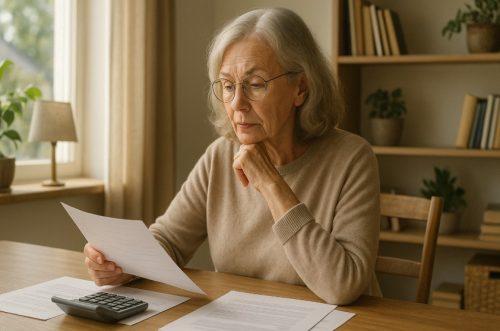
Yes, you can potentially increase your State Pension through a few practical steps. If you have gaps in your National Insurance record, you can make voluntary contributions to boost your total qualifying years. Each year of additional contributions increases your weekly pension amount up to the full rate of £230.25.
Another way to increase your pension is to defer claiming it. When you delay your claim by at least nine weeks, your payments increase by nearly 5.8 percent per year. This can provide a higher income later in retirement if you don’t need the money immediately.
You can also explore workplace or personal pension plans to supplement your retirement income. These don’t replace your State Pension but can enhance your overall financial stability.
Regularly review your pension forecast, keep your contributions updated, and consult an independent financial adviser if you want to plan effectively for your long-term retirement needs.
Conclusion
The rumour of a £649 weekly State Pension from October 2025 is a clear example of misinformation spreading rapidly online. As confirmed by official government sources, the current full new State Pension stands at £230.25 per week. No new announcements have been made suggesting a drastic increase of this scale.
Understanding the State Pension system allows you to make informed and confident financial decisions. Always rely on trusted sources like GOV.UK, Age UK, and the Department for Work and Pensions for accurate updates.
Before sharing or acting on pension-related news, verify the facts to avoid confusion or potential scams. Staying informed protects not only your future income but also helps prevent others from falling victim to false claims circulating online. Your pension security begins with knowledge, awareness, and verification.
FAQs
What is the actual weekly UK State Pension in 2025?
The actual full new State Pension in 2025 is £230.25 per week, as confirmed by the UK government. The £649 figure circulating online is false.
Where did the £649 state pension rumour come from?
It appears to have started from AI-generated articles and viral social media posts claiming a non-existent DWP announcement.
How do I check if I’m eligible for the full pension?
You can check your eligibility and estimated amount using the State Pension forecast service on GOV.UK.
What is the triple lock system for pensions?
The triple lock guarantees that pensions rise each year by the highest of inflation, average earnings growth, or 2.5 percent.
Can I get more than £230.25 per week?
Yes, if you qualify for Additional State Pension or protected payments from before 2016, your total may exceed the base rate.
What happens if I was contracted out before 2016?
You might need more than 35 qualifying years to receive the full new State Pension since part of your contributions went to another scheme.
How do I protect myself from pension scams?
Verify every pension-related message with GOV.UK or DWP, and never share personal details with unofficial websites or callers.