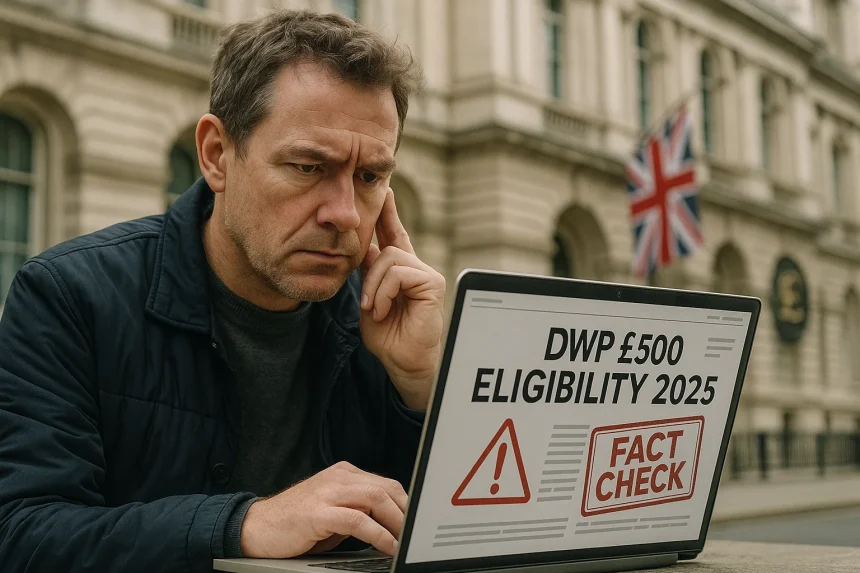
In early 2025, a wave of headlines and social media posts emerged claiming that the Department for Work and Pensions (DWP) would be issuing a new one-off £500 cost of living payment.
If you’re reading this, chances are you’ve seen one of those viral posts or even received messages suggesting you could be eligible. But before making plans around this supposed financial boost, it’s important to pause and verify the facts.
With the cost of living still being a major concern for many UK households, false information can spread quickly, often creating false hope and confusion.
This blog takes you through everything you need to know about the DWP £500 eligibility rumour in 2025, what’s real, what’s not, and what official support is actually available this year. Let’s start by addressing the most urgent question: Is the £500 DWP payment for 2025 even real?
Is the DWP £500 Payment in 2025 Real or Fake?
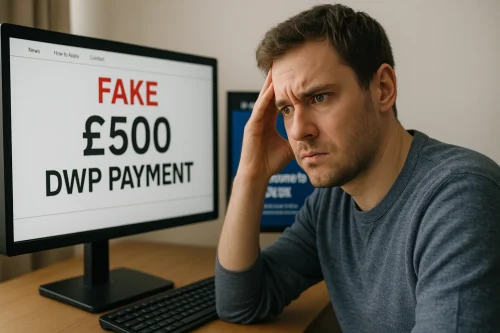
The short answer is No — the DWP £500 payment in 2025 is not real. There is no confirmed or officially announced £500 cost of living payment from the UK government or the Department for Work and Pensions.
The confusion stems from false online claims and misleading blogs that have gone viral, especially during times of financial uncertainty. The official Cost of Living Payment schemes ran between 2022 and 2024 in response to high inflation and energy price hikes.
These included payments such as £650 for low-income households, £300 for pensioners, and £150 for people with disabilities. However, these schemes have ended. The government confirmed that no new similar cost of living schemes are planned for 2025.
No mention of a £500 payment exists on GOV.UK, DWP press releases, or in parliamentary announcements. Mainstream media, including BBC and The Guardian, have also not reported any such policy. That silence from reliable sources strongly suggests that this claim is completely false.
Where Did the DWP £500 Payment Rumour Come From?
The rumour didn’t start from official announcements or news outlets. Instead, it originated from various unofficial websites and rapidly spread through social media platforms, where misinformation can easily thrive.
Here’s how it unfolded:
- The claims first appeared on unfamiliar blog-style websites in late 2024.
- These sites used sensationalist headlines, often claiming that DWP would release a £500 payment in early 2025.
- Platforms like drdeepakchahar.com, ulaergo.com, and bibliotecasdetondela.com were among the sources, none of which have ties to the UK government.
Key tactics used to spread the rumour:
- The articles mimicked the language of genuine benefit schemes like Universal Credit or Winter Fuel Payment.
- They often lacked citations, avoided linking to GOV.UK, and were shared heavily on Facebook, WhatsApp, and online forums.
- The use of urgent-sounding phrases like “Apply now” or “Don’t miss out” misled many readers into believing these were official schemes.
By capitalising on public anxiety and referencing real DWP programmes, the rumour gained traction, but it remains completely unfounded.
What False Claims Are Being Made About DWP £500 Eligibility?
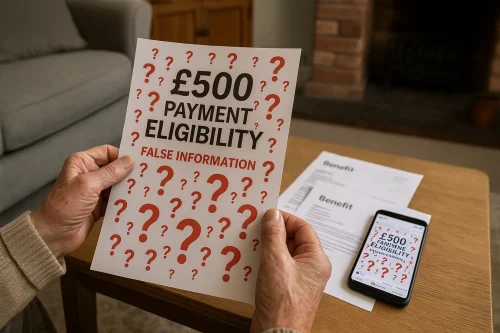
With many people still struggling with high energy bills, food prices, and rent, it’s easy to see how the idea of a £500 payment might spark hope. However, the rumours circulating online are built on misleading, vague, and entirely fabricated claims. Let’s break them down into their key themes.
Misleading Eligibility Claims
One of the most common false claims is that the payment will be automatically sent to people on benefits like:
- Universal Credit
- Personal Independence Payment (PIP)
- State Pension
- Carer’s Allowance
These posts claim that if you’re receiving any of the above, you don’t need to apply, the money will appear in your bank account automatically. This statement is not supported by any official source and has been consistently debunked by government fact-checkers.
Another false claim is that the £500 payment is part of new energy support, targeting pensioners or vulnerable families. However, energy support this year comes through existing schemes like the Winter Fuel Payment or Warm Home Discount, not new £500 grants.
Vague Language Used to Appear Credible
The misleading articles use carefully constructed phrases to seem legitimate:
- It is believed that eligible individuals may receive
- The government is expected to announce
- Sources suggest that payments could begin
This wording deliberately avoids direct claims while still pushing the idea of a confirmed payment. By sounding like a scoop or leaked announcement, they manipulate readers into sharing and believing the content without question.
Imitation of real past DWP schemes
Another tactic is to reference real government schemes from previous years.
For example:
- Mentioning the £650 and £900 Cost of Living Payments from 2022–2023
- Referring to Winter Fuel Payment top-ups
- Citing the Disability Cost of Living Payment of £150
These are all genuine historical programmes, but they are being misrepresented as ongoing or returning in 2025. No current budget, bill, or government communication includes a new £500 plan. The association is intended to make the fake claims more believable.
By combining recognisable benefit names, vague wording, and fake urgency, these misleading posts continue to fool thousands. But understanding the real support options available in 2025 can help cut through the noise.
What Real Financial Support Is Available in 2025?
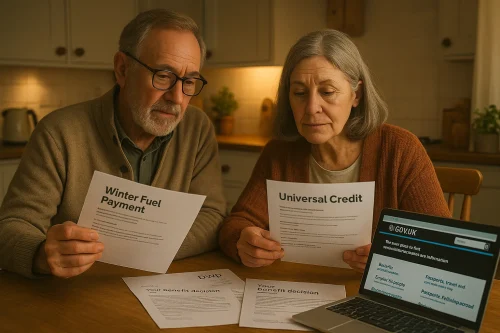
Despite the misinformation, the UK government has maintained several verified financial support schemes in 2025. While there is no £500 cost of living payment, the following official programmes offer vital help to eligible households.
Winter Fuel Payment
This is one of the most widely accessed forms of support during colder months. If you were born before 22 September 1959, you could be eligible for £100 to £300 to help with heating bills in winter 2025–2026.
Payments are automatic for most pensioners who already receive the State Pension or certain benefits. You can check eligibility and payment dates through GOV.UK.
Cold Weather Payment
This scheme offers £25 for each 7-day period where temperatures stay below zero degrees Celsius in your local area. It’s only available to people on certain benefits such as Pension Credit, Income Support, or Universal Credit. If you qualify, the payment is made automatically and does not require a claim.
Warm Home Discount
Eligible households can receive a £150 rebate on their electricity bills. This typically applies to low-income families and pensioners who meet the criteria set by their energy supplier. You do not need to apply if you receive the Guarantee Credit element of Pension Credit, the discount is applied automatically.
Household Support Fund
Local councils administer the Household Support Fund, which provides support for essentials like:
- Food
- Energy bills
- Clothing
- Essential household items
Support varies by location and is typically reserved for people facing severe financial hardship. You must contact your local council for eligibility and application details.
Genuine Financial Support in 2025
| Support Type | Eligibility | Payment Range |
| Winter Fuel Payment | Born before 22 Sept 1959 | £100 – £300 |
| Cold Weather Payment | On qualifying benefits, cold conditions apply | £25 per 7-day cold spell |
| Warm Home Discount | Low-income/pensioners (with qualifying criteria) | £150 electricity rebate |
| Household Support Fund | Based on need, via local council | Varies |
These are the only confirmed support options for 2025. None of them includes a £500 one-off cost of living payment.
Why Are Fake DWP £500 Payment Claims Harmful?
At first glance, fake payment claims may seem like harmless internet chatter. But in reality, they cause real damage to both individuals and government systems.
Here’s why they’re dangerous:
- False hope for vulnerable people: Many struggling households may delay bill payments or take loans, expecting a £500 payment that never comes.
- Risk of fraud: Scammers create fake websites to collect personal information by posing as DWP. This can lead to identity theft or financial loss.
- Public confusion: People stop trusting legitimate government schemes after being misled repeatedly.
- Drain on services: DWP and councils receive thousands of unnecessary queries about non-existent payments, reducing their ability to assist those in real need.
The long-term damage includes emotional distress, eroded trust in institutions, and missed opportunities to access real support.
How Can You Verify Genuine DWP Announcements?
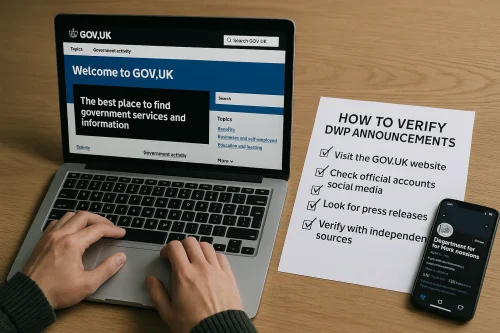
Knowing how to separate fact from fiction can protect you and others from misinformation.
Use these trusted methods to verify DWP updates:
- Visit GOV.UK: Always check the official government website for the latest benefit news.
- Watch for press releases: Official schemes are announced by ministers and listed on GOV.UK.
- Follow DWP on social media: Verified accounts share authentic updates and warnings.
- Avoid third-party blogs: Especially those with sensationalist headlines and no citations.
Fake Claims vs Real Government Announcements:
| Feature | Fake Claims | Real Announcements |
| Source | Unofficial blogs or social media | GOV.UK, Parliament, DWP press releases |
| Eligibility Clarity | Vague and inconsistent | Detailed and based on income/benefits |
| Application Process | Often none or includes fake forms | Via official portals or automatic |
| Payment Confirmation | Speculative language | Confirmed by government websites |
| Media Coverage | Absent from reliable news | Covered by BBC, The Guardian, etc. |
Using this checklist will help you avoid misinformation and stay informed through credible channels.
What Should You Do If You’ve Been Misled by the £500 Rumour?
If you’ve read, shared, or acted on the £500 payment rumour, don’t panic, you’re not alone. Many people have been tricked by these carefully worded posts.
Here’s what you can do next:
- Stop sharing the rumour: Avoid forwarding messages or sharing unverified articles.
- Inform others: Let family and friends know the claim is false to stop the spread.
- Report fake content: Use reporting features on social media or notify Action Fraud UK.
- Double-check next time: Stick to GOV.UK and other official channels before acting on news.
Taking small actions like these helps keep your community safe from financial misinformation.
Is the Government Planning Any New Cost of Living Support for 2025?
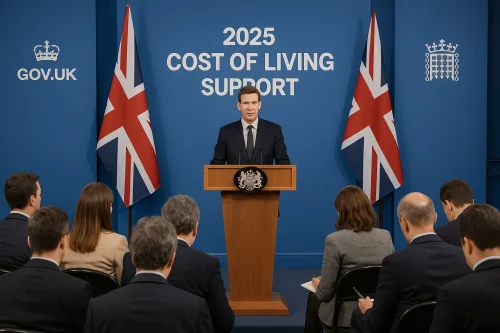
As of now, there are no new cost of living payments planned for 2025. The previous support schemes were introduced in response to high inflation during the energy crisis between 2022 and 2023. Since then, inflation has stabilised, and the need for emergency relief payments has decreased.
However, the government continues to review support for:
- Pensioners and disabled individuals
- Universal Credit payment adjustments
- Energy support for vulnerable households
Any future schemes would likely be announced in major statements like the Autumn Budget or Spring Statement. Until then, it’s best to follow DWP and GOV.UK updates directly for reliable information.
Conclusion
In 2025, there is no £500 DWP payment being offered by the UK government. The claim has been widely debunked, and no official channels support it. The rumour appears to have stemmed from low-credibility websites and spread rapidly due to public anxiety and the legacy of previous support schemes.
Your best defence against misinformation is knowledge. Stick to official sources, verify announcements before acting on them, and help others do the same. With trusted information, you can navigate your financial situation more confidently and avoid falling into the trap of viral hoaxes.
FAQs
Is there a confirmed DWP £500 payment coming in 2025?
No, there is no government-approved or confirmed £500 payment in 2025 from the DWP.
What support can I receive instead of the £500 payment?
You may be eligible for Winter Fuel Payment, Cold Weather Payment, Warm Home Discount, or local council aid.
How can I tell if a DWP announcement is genuine?
Always verify information on GOV.UK or follow the DWP’s official social media accounts.
Has the government addressed the £500 rumour?
While there’s no direct statement, the absence of any official announcement confirms it is false.
What are signs of a fake cost of living payment claim?
Look out for vague eligibility, no official links, and sensationalist language.
Where should I report fake DWP announcements?
Report to Action Fraud UK or the Citizens Advice Bureau if you encounter scams or fake posts.
Can third-party blogs announce DWP payments?
No, only GOV.UK or verified government sources announce DWP-related benefits.