Last Checked: 10 July 2026
There is currently no active Thames Water hosepipe ban notice for Swindon. The previous temporary use ban affecting SN postcodes in the Thames Water supply area was lifted in November 2025, but Thames Water is still asking customers to avoid hosepipes and sprinklers during heatwaves.
Key takeaways:
- Swindon is not currently listed under an active Thames Water hosepipe ban.
- The previous ban applied to SN postcodes where those areas were supplied by Thames Water.
- The restriction started on 22 July 2025 and was later lifted on 27 November 2025.
- Thames Water is still asking customers to reduce outdoor water use during heatwaves.
- A water-saving request is not the same as a formal legal hosepipe ban.
- Hosepipe bans elsewhere in England may cause confusion for Swindon residents.
- Residents should always check their water supplier and the latest legal notice before relying on older articles or social media posts.
What Is the Current Hosepipe Ban Position in Swindon?
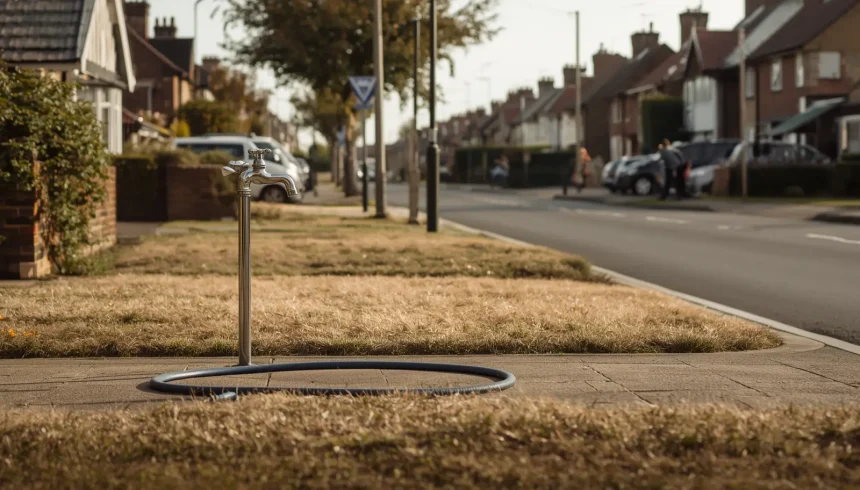
Swindon residents are not currently under an active Thames Water hosepipe ban, based on the latest available legal notice. The earlier restriction was a Temporary Use Ban, also known as a hosepipe ban, which applied to parts of the Thames Water supply area during 2025.
The important detail is that the previous ban was not a general Wiltshire-wide or Swindon Borough Council rule. It applied to specific postcode areas where Thames Water supplied water. Thames Water later confirmed through its legal notice that the temporary ban was lifted with immediate effect on 27 November 2025.
Why Some People Still Think Swindon Has a Ban?
Confusion is understandable because older news reports about the 2025 restriction still appear in search results. Some national articles also discuss hosepipe bans in other areas of England, including Kent, Hampshire, the Isle of Wight and Yorkshire.
For Swindon, the key question is not whether there was a ban in 2025. There was. The key question is whether a current legal notice applies now. At the time of checking, the previous Thames Water restriction affecting SN postcodes had been lifted.
What Does a Hosepipe Ban Mean?
A hosepipe ban is formally known as a Temporary Use Ban. It allows a water company to restrict certain types of non-essential water use when supplies are under pressure.
Activities Often Restricted During a Ban
During a formal Temporary Use Ban, restrictions can commonly cover:
- Watering gardens or allotments with a hosepipe
- Washing private cars with a hosepipe
- Filling paddling pools or swimming pools
- Cleaning patios, paths, walls or windows with a hosepipe
- Using sprinklers or irrigation systems connected to a hose
- Filling ornamental ponds or fountains, unless exemptions apply
These rules can vary depending on the exact notice issued by the water company. Exemptions may apply for health, safety, disability, animal welfare, commercial activity or newly laid turf, depending on the published rules.
Why Are Fines Mentioned in National Coverage?
Many UK articles mention that breaking a hosepipe ban can lead to a fine of up to £1,000. That figure is commonly reported because formal Temporary Use Bans can be enforceable. However, the fine point only becomes relevant where a legal ban is active and a person breaches the rules.
For Swindon residents, this distinction matters. If there is no current legal ban, residents should not assume they are automatically at risk of a fine for hosepipe use. They should still follow current water-saving advice, especially during heatwaves.
Why Is Thames Water Still Asking People to Save Water?

Although the formal 2025 restriction has been lifted, Thames Water is still encouraging customers to reduce non-essential water use during hot weather. That is because demand can rise sharply when many households use water outdoors at the same time.
Thames Water says in its current dry weather update that water use reached 3 billion litres a day during the June heatwave, and that a hose or sprinkler can use up to 1,000 litres of water per hour.
Important Numbers Behind the Advice
The current water-saving message is based on demand pressure, not just rainfall headlines. Thames Water has highlighted several figures that explain why outdoor water use is a concern:
- Water use reached around 3 billion litres a day during the June heatwave.
- A hose or sprinkler can use up to 1,000 litres per hour.
- That hourly hose or sprinkler use is compared with 25 people taking a four-minute shower.
- April rainfall was reported at only 20% of the average expected in the region.
- Thames Water says it is investing £20 billion in its biggest upgrade in 150 years.
- The company says it is fixing hundreds of leaks per week.
These figures help explain why residents may be asked to avoid hosepipes even when a formal ban is not in force.
Why was Swindon Included in the Previous 2025 Ban?
Swindon was included in the 2025 Thames Water restriction because SN postcodes were part of the affected Thames Valley area. The restriction also applied to OX, GL, RG4, RG8 and RG9 postcodes where those postcodes fell within the Thames Water supply area.
Timeline of the Previous Thames Water Ban
| Date | What happened | What it meant for Swindon |
| 14 July 2025 | Thames Water announced a Temporary Use Ban | SN postcodes were listed among affected areas |
| 22 July 2025 | The ban came into force | Hosepipe use was restricted for affected customers |
| 27 November 2025 | Thames Water lifted the ban | The legal restriction ended with immediate effect |
| 10 July 2026 | Latest check for this article | No active Thames Water ban notice found for Swindon |
The previous ban was introduced after unusually dry and hot conditions. Thames Water said at the time that England had experienced its warmest June on record and the driest spring in more than a century.
What Are Competitors and National Reports Saying?
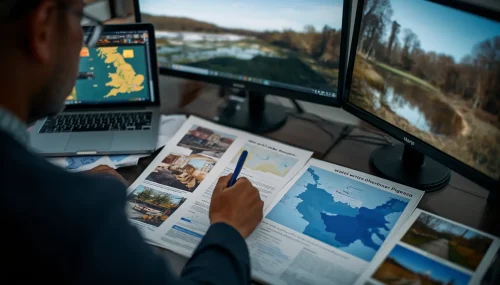
National coverage has added to the confusion because several outlets are reporting hosepipe bans across parts of England. That national picture is useful, but it should not be treated as automatic proof that Swindon is currently under a ban.
The Independent reported in its hosepipe ban map that more than 8.5 million UK households were affected by hosepipe bans, with restrictions linked to South East Water, Southern Water, Thames Water and Yorkshire Water coverage at the time of publication.
Key National Figures Reported by Competitors
Recent national coverage has included several important numbers:
- More than 8.5 million households are reported as being under hosepipe bans across parts of the UK.
- Southern Water restrictions affecting parts of Hampshire and the Isle of Wight.
- South East Water restrictions are affecting around 1.4 million customers in Kent and Sussex.
- Yorkshire Water restrictions affecting around 5.5 million residents.
- Yorkshire reservoir levels are reported at 55.8% full, around 26.1% below normal.
- Rainfall in Yorkshire was reported at around 15cm between February and June, less than half the expected level.
- South East Water was reported to have supplied 680 million litres on 30 June, more than 100 million litres above the daily summer average.
- Some national reports also stated that filling a paddling pool during a ban could risk a fine of up to £1,000.
These figures are useful for the national context, but Swindon readers should focus on the latest Thames Water legal position for their own area.
Legal Ban vs Water-Saving Advice
The difference between a formal ban and advice is the main point Swindon residents need to understand.
A Legal Ban Means Restrictions Are Enforceable
A legal Temporary Use Ban sets out:
- The affected water company area
- The postcode areas or supply zones included
- The start date
- Restricted activities
- Exemptions
- Enforcement rules
When a ban is active, residents should follow the specific wording of the official notice.
Advice Means Residents Are Being Asked to Reduce Use
Water-saving advice is different. It may ask residents to:
- Avoid hosepipes during heatwaves
- Swap sprinklers for watering cans
- Let lawns go golden
- Use water butts where possible
- Delay washing cars
- Reuse suitable household water for plants
- Run washing machines and dishwashers on eco settings
Advice is still important because it helps reduce demand. However, it should not be described as a current legal ban unless an official notice confirms one.
Can Swindon Residents Use a Hosepipe Now?
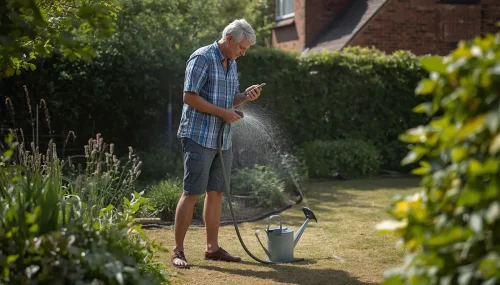
At the time this article was checked, there was no active Thames Water legal hosepipe ban notice for Swindon. That means the previous legal restriction is not currently in force.
However, residents should use common sense during hot weather. If many households water lawns, fill pools and use sprinklers at the same time, demand can rise quickly.
Sensible Steps Before Using a Hosepipe
Before using a hosepipe, residents should:
- Confirm which company supplies their water.
- Check whether a current Temporary Use Ban is active.
- Read the exact rules rather than relying on screenshots or old posts.
- Avoid using sprinklers during heatwaves.
- Use a watering can for plants that genuinely need water.
- Let established lawns recover naturally after rain.
- Keep checking updates if hot, dry weather continues.
This approach avoids unnecessary panic while still supporting responsible water use.
Which Swindon Areas Could Be Affected If a Ban Returns?
If Thames Water introduces a new restriction in future, the affected area would depend on the legal notice published at that time. The 2025 ban included SN postcodes where they were within the Thames Water supply area, but future restrictions may not use exactly the same boundaries.
Why Postcode Checks Matter?
Water supply boundaries do not always follow council boundaries. A person may live in or near Swindon but need to confirm their actual water supplier by postcode.
This matters because a hosepipe ban is normally issued by a water company, not simply by a town, council or county. Two nearby households may sometimes have different suppliers depending on the water network.
What Should Residents Do During Hot Weather?
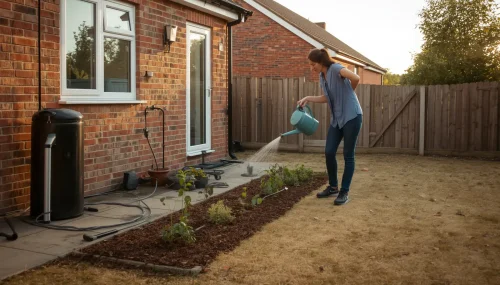
Even without a formal ban, using less water outdoors is a sensible step during hot, dry spells.
Simple Ways to Reduce Outdoor Water Use
Residents can help by:
- Watering plants early in the morning or late in the evening
- Using a watering can instead of a hose
- Prioritising vegetables, young plants and containers
- Letting lawns go golden
- Using mulch to keep moisture in soil
- Collecting rainwater in a water butt
- Avoiding sprinklers
- Delaying car washing until cooler weather
- Reusing suitable paddling pool or washing-up water for plants
These actions are small, but they can make a real difference when demand is high across the network.
Conclusion
People asking “is there a hosepipe ban in Swindon?” can take the current answer as no, based on the latest checked Thames Water position. The previous ban affecting SN postcodes in the Thames Water supply area was lifted in November 2025.
Swindon residents should still treat water carefully during heatwaves. The absence of a formal hosepipe ban does not mean outdoor water should be wasted. It simply means residents should separate current legal restrictions from sensible water-saving advice.
FAQs
Is there a hosepipe ban in Swindon today?
No active Thames Water hosepipe ban notice for Swindon was found at the time this article was checked. The previous restriction affecting SN postcodes was lifted in November 2025.
Was Swindon included in the 2025 Thames Water hosepipe ban?
Yes. The 2025 Thames Water Temporary Use Ban included SN postcodes where those areas were within the Thames Water supply area.
When did the Swindon hosepipe ban start?
The previous Thames Water restriction came into force on 22 July 2025 after being announced earlier that month.
When was the Thames Water hosepipe ban lifted?
Thames Water lifted the previous Temporary Use Ban with immediate effect on 27 November 2025.
Can Swindon residents use a hosepipe during a heatwave?
If no formal ban is active, hosepipe use is not restricted in the same legal way. However, Thames Water is still asking customers to avoid hosepipes and sprinklers during heatwaves to reduce pressure on supplies.
What is the fine for breaking a hosepipe ban?
During a formal hosepipe ban, breaches can lead to a fine of up to £1,000. This applies only where a legal restriction is in force and the activity is covered by the ban.
Are sprinklers included in hosepipe restrictions?
Yes, sprinklers are usually included in hosepipe restrictions when a formal Temporary Use Ban is active. Thames Water is also advising customers to avoid sprinklers during heatwaves.
Do hosepipe bans apply to businesses?
Some business uses may be exempt if water use is essential to the business, but the exact rules depend on the official ban notice. Businesses should check the current restrictions and exemptions before assuming they are excluded.
Why is Thames Water asking people to save water if there is no ban?
Water demand rises sharply during hot weather, especially when people use hoses and sprinklers outdoors. Thames Water is asking customers to save water to help protect essential supplies and reduce pressure on the network.
Editorial Note:
This article is intended to provide clear, practical and informational guidance for readers in Swindon and the wider South West. It explains the difference between a current legal hosepipe ban, a previous Temporary Use Ban and voluntary water-saving advice. The content is not legal advice and should not replace the latest official notice from the relevant water supplier.
How We Checked?
This article was checked using official Thames Water legal and dry-weather updates, together with national news coverage for wider context. The current Swindon position was based on whether an active Thames Water Temporary Use Ban notice applied to SN postcodes at the time of review. Older competitor reports were treated as historical or contextual unless supported by a current official notice.