Last Checked: 8 July 2026
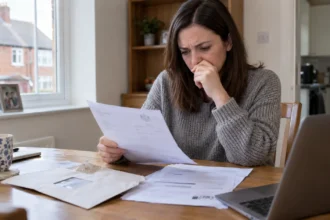
A letter showing LBG, PO Box 204, Huddersfield, HD8 1ES is most likely connected to correspondence involving Lloyds Banking Group or one of its associated UK financial brands, but the address alone should not be treated as proof that the letter is genuine.
Anyone who receives unexpected mail from this address should check it carefully through official contact routes before replying, paying money, calling a number on the letter, or sharing personal information.
Key takeaways:
- LBG usually means Lloyds Banking Group, a major UK financial services group.
- The address PO Box 204, Huddersfield, HD8 1ES is discussed online as being linked with banking correspondence, but readers should still verify the letter safely.
- A PO Box can be used by genuine organisations for mail handling, privacy and administration.
- A real-looking return address does not automatically prove a letter is safe, because scammers can copy names, logos and postal details.
- People should not share PINs, passwords, one-time passcodes, card reader codes or full security details in response to any letter.
- If the letter is for a previous occupier, it can usually be marked “Not known at this address” and returned through the post.
- The safest next step is to contact the relevant bank through an official app, official website, trusted card number, branch, or known customer-service route.
What Does LBG PO Box 204 Huddersfield HD8 1ES Mean?
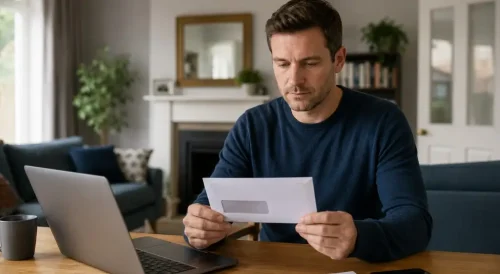
LBG commonly stands for Lloyds Banking Group. In the UK, Lloyds Banking Group is associated with several familiar financial brands, including Lloyds Bank, Halifax, Bank of Scotland, Scottish Widows, MBNA, Black Horse and Lex Autolease, as shown on its official list of banking group brands.
When a person receives a letter that says LBG PO Box 204 Huddersfield HD8 1ES, the wording may suggest a central mail-handling or administrative address connected to a financial-services organisation.
It may relate to a current account, savings account, credit card, loan, mortgage, insurance product, complaint, arrears notice, address update, or another customer communication.
However, the important point is this: the return address alone should not be used as the only evidence. A genuine organisation may use a PO Box, but a scammer may also copy a genuine-looking address to make a letter appear more convincing.
Is PO Box 204 Huddersfield HD8 1ES Definitely Lloyds Banking Group?
It would be safer to say that PO Box 204 Huddersfield HD8 1ES is commonly associated online with Lloyds Banking Group-related correspondence, rather than saying every letter from that address is definitely official.
That distinction matters because banking letters can be sensitive. A letter may mention an account, payment, debt, refund, complaint, security issue, identity check, or product change. If the letter asks the reader to take action, the reader should verify the request independently before doing anything.
Why This Cautious Wording Matters?
Financial scams often rely on trust. A scam letter may use a real company name, familiar branding, professional wording, or a convincing postal address. That does not mean every unexpected letter is fraudulent, but it does mean the recipient should slow down and check.
A genuine bank will not normally pressure someone into giving away sensitive security details. It should also be possible to verify important correspondence by contacting the bank through a trusted route, not only through the phone number or website printed in the letter.
Why Might Someone Receive a Letter from LBG PO Box 204 Huddersfield?
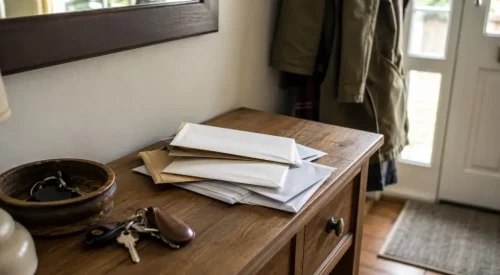
There are several possible reasons why a UK resident may receive mail showing LBG PO Box 204 Huddersfield HD8 1ES.
The most common possibility is that the person has, or previously had, a relationship with a Lloyds Banking Group brand. This could include Lloyds Bank, Halifax, Bank of Scotland, MBNA, Scottish Widows, Black Horse or another related service.
The letter may relate to:
- An account update
- A credit card, loan or mortgage
- A savings or insurance product
- A complaint or customer-service issue
- A statement or annual notice
- A change in terms and conditions
- A missed payment or arrears letter
- A fraud or security check
- Marketing preferences
- A closed or forgotten account
Another common reason is that the letter is addressed to a previous occupier. This often happens when a person has moved home but not updated every organisation with their new address. It may also happen if old account records, credit files or mailing lists have not been updated properly.
In some cases, the letter may be a duplicate, an administrative error, or a delayed piece of mail connected to an old product.
Is a Letter from LBG PO Box 204 Huddersfield a Scam?
A letter from LBG PO Box 204 Huddersfield HD8 1ES is not automatically a scam. PO Boxes are used by many genuine businesses and organisations. Royal Mail explains that a PO Box can help people or organisations maintain privacy and use a more professional mailing address through its PO Box service.
At the same time, the address alone does not prove the letter is genuine. Scammers can imitate bank letters, copy brand names and use official-looking details. The safest approach is to judge the whole letter, not just the address.
Warning Signs to Check
A suspicious letter may include urgent or threatening wording. It may say the reader must act immediately, pay a fee, confirm bank details, scan a QR code, or call a number to avoid account closure. It may ask for personal details that a bank should not need in that way.
Other warning signs include poor spelling, unusual formatting, vague account references, pressure to move money, unfamiliar payment instructions, or a request to keep the matter secret.
A letter should be treated with extra caution if it asks for:
- A full password
- A PIN
- A one-time passcode
- A card reader code
- Full online banking details
- Remote access to a phone, tablet or computer
- Payment to a new or unfamiliar bank account
How to Check Whether the LBG Letter Is Genuine?
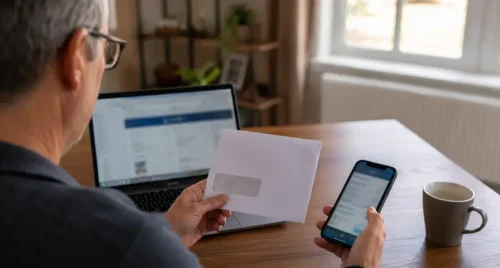
The best way to check the letter is to verify it independently. This means using contact details the reader already trusts, rather than relying only on details printed on the letter.
Check the Name, Address and Account Details
The reader should first check who the letter is addressed to. If it is addressed correctly, they should think about whether they have ever used Lloyds Bank, Halifax, Bank of Scotland, MBNA, Scottish Widows, Black Horse or another Lloyds Banking Group-related service.
They should also check whether the letter gives enough context. A genuine letter will usually explain what it relates to, although it may not include full account details for security reasons.
If the letter refers to a product the reader does not recognise, that does not automatically mean fraud. It could relate to an old account, a joint product, a previous address, a dormant account, or an administrative issue. But it should still be checked.
Avoid Suspicious Contact Details
If the letter feels suspicious, the reader should avoid using the phone number, email address, QR code, payment link or web address printed in the letter until they have verified it.
Instead, they can use:
- The official mobile banking app
- The bank’s official website typed manually into the browser
- The phone number on the back of their bank card
- A trusted branch
- A known customer-service contact route
- The UK 159 service, where appropriate
Lloyds Bank’s own fraud guidance warns customers to protect security details and be cautious of scams where criminals pretend to be a trusted organisation.
Check Whether Action is Actually Needed
Some bank letters are only informational. They may tell the reader about changes to terms, interest rates, account conditions, privacy information, product updates or branch changes.
Others may need action, such as confirming details, responding to a complaint, reviewing arrears, or checking account security. If action is needed, it should be done through a verified route.
What If the Letter Is for a Previous Occupier?
If the letter is not addressed to the current resident, the safest response is usually not to open it. The person can write “Not known at this address” or “No longer at this address” on the envelope and put it back in the post.
If letters continue to arrive, the resident may contact the organisation through official contact details and explain that the named person no longer lives at the property. They should avoid giving unnecessary personal information and should not use unverified details from a suspicious letter.
This situation is common after house moves. It does not automatically mean the current resident is responsible for the contents of the letter, and it does not necessarily mean fraud has occurred. It may simply mean the sender’s records have not been updated.
Could the Letter Be Linked to Halifax, Bank of Scotland or MBNA?
Yes, it could be possible. Lloyds Banking Group includes several well-known UK brands, so a letter using group-level wording may be connected with a brand the customer recognises under a different name.
For example, someone may think they have no connection with “LBG” but may have used Halifax, Bank of Scotland, MBNA, Scottish Widows, Black Horse or another associated service in the past. This is why readers should check for both current and old financial relationships before assuming the letter is irrelevant.
Branding can also cause confusion. A customer may remember opening an account under one brand but later receive correspondence using group-level wording. That does not make the letter automatically suspicious, but it does make independent verification more important.
Confirmed Facts Readers Can Rely On
The first confirmed fact is that LBG commonly refers to Lloyds Banking Group in a UK banking context. Lloyds Banking Group operates a number of recognised financial brands, and customers may receive correspondence connected to those brands.
The second confirmed fact is that PO Boxes are normal postal tools. They can be used for privacy, mail handling and professional correspondence. A PO Box does not automatically make a letter suspicious.
The third confirmed fact is that bank scams can look professional. Scammers may imitate official organisations and create a sense of urgency to persuade people to reveal details or make payments.
The fourth confirmed fact is that verification should be done independently. A reader should use a trusted contact route, especially if the letter asks for payment, personal information, security details or urgent action.
Real-Life Example: A Letter Arrives for a Previous Tenant
A tenant in Manchester receives a letter marked LBG, PO Box 204, Huddersfield, HD8 1ES. The letter is addressed to someone they do not know. They have lived at the property for six months and occasionally receive mail for previous residents.
The safest response is not to open the envelope. The tenant writes “Not known at this address” on the front and places it back in the post. If more letters arrive, they contact the relevant bank through official customer-service details and explain that the named person no longer lives there.
This example shows why the address alone is not enough to judge the situation. The letter may be genuine correspondence, but it has reached the wrong person. The correct response is careful, simple and privacy-conscious.
What the Letter Might Mean and What to Do Next?
This section provides a clear overview of the possible reasons behind the letter and the practical steps you can take in response. It is designed to help you quickly understand your situation and decide on the most appropriate next action.
| Situation | What it may mean | Safer next step |
| The letter is correctly addressed | It may relate to a current or past LBG brand account | Check through the official app, website, card number or branch |
| The letter is for a previous occupier | The sender’s address records may be out of date | Mark it “Not known at this address” and return it |
| The letter asks for urgent payment | It may be genuine, mistaken or suspicious | Verify independently before paying |
| The letter asks for passwords or codes | This is a major scam warning sign | Do not share details and contact the bank safely |
| The reader has never used Lloyds | It may relate to Halifax, Bank of Scotland, MBNA or an old product | Check possible brand links before ignoring it |
| The letter includes a QR code or link | It may be convenient, but could be risky if copied | Use the official website or app instead |
| The letter causes worry or confusion | The reader may need clarification | Contact the bank through a trusted route |
What Should the Reader Do Next?
The reader should start by staying calm. A letter from lbg po box 204 Huddersfield hd8 1es does not automatically mean something is wrong. It may be a routine notice, an old account update, a letter for a previous occupier, or a legitimate bank communication.
If the letter is addressed correctly, the reader should check whether they have any link with Lloyds Bank, Halifax, Bank of Scotland, MBNA, Scottish Widows or another associated brand. They should then verify the content through a trusted route.
If the letter is not addressed to them, they should return it to sender and avoid opening it unnecessarily.
If the letter asks for payment, personal information or urgent action, they should pause and check carefully. No one should be rushed into sharing security details or transferring money because of a letter they have not verified.
If the reader thinks personal details may have been misused, they should contact their bank, monitor accounts, consider checking their credit file, and report suspicious activity through the appropriate UK fraud-reporting routes.
Conclusion
Receiving a letter from lbg po box 204 Huddersfield hd8 1es can be confusing, especially if the recipient does not immediately recognise LBG or the Huddersfield PO Box address.
In most cases, LBG is likely to refer to Lloyds Banking Group, and the letter may relate to Lloyds Bank, Halifax, Bank of Scotland, MBNA, Scottish Widows or another connected financial brand.
Even so, the safest advice is to verify before acting. A PO Box can be legitimate, but it is not proof on its own. Readers should use official contact routes, avoid sharing sensitive details, and treat urgent payment requests or security-code requests with caution.
The practical rule is simple: do not panic, do not ignore important financial mail, and do not trust a letter blindly. Check it through a reliable route, then respond only when confident it is genuine.
FAQs
What does LBG stand for on a UK bank letter?
LBG commonly stands for Lloyds Banking Group. In a banking context, it may relate to Lloyds Bank, Halifax, Bank of Scotland, MBNA, Scottish Widows, Black Horse or another connected financial brand.
Is PO Box 204 Huddersfield HD8 1ES a scam address?
The address alone does not prove that a letter is a scam. It also does not prove that the letter is genuine. The safest step is to verify the letter through official bank contact routes before responding.
Why did Lloyds Banking Group send a letter?
Possible reasons include an account update, product notice, complaint response, payment issue, address confirmation, security check, policy change or correspondence about an old financial product.
Could this letter be from Halifax?
Yes, it could be possible because Halifax is part of Lloyds Banking Group. A person who does not bank with Lloyds may still have a connection through Halifax or another group brand.
What should someone do if the letter is for a previous tenant?
They can mark the envelope “Not known at this address” or “No longer at this address” and return it through the post. If letters keep arriving, they can contact the sender using official contact details.
Should readers call the phone number printed in the letter?
They should be cautious, especially if the letter feels suspicious. It is safer to use a trusted number from the official website, banking app, bank card, or known customer-service route.
What details should never be shared after receiving a bank letter?
Readers should never share full passwords, PINs, one-time passcodes, card reader codes, full security answers or remote-access permissions in response to an unexpected letter or call.
Can a genuine bank address be copied by scammers?
Yes. Scammers can copy company names, logos, addresses and wording to make a letter look genuine. That is why verification through independent official channels is important.
What if the reader has never used Lloyds Bank?
They should consider whether they have used Halifax, Bank of Scotland, MBNA, Scottish Widows, Black Horse or another related brand. If there is still no obvious connection, they should verify the letter safely.
Editorial Note
This article is for general UK information only. It is not financial, legal or fraud-investigation advice. Readers should not rely on the return address alone when deciding whether a letter is genuine.
For account-specific concerns, payment issues, suspected fraud or identity concerns, they should contact the relevant bank or authority through official channels.
How We Checked?
This article was checked by comparing the user-supplied topic and reference pages against official information from Lloyds Banking Group, Lloyds Bank and Royal Mail.
The article uses cautious wording where the exact PO Box is discussed online but not treated as sole proof of authenticity. The verification guidance prioritises official brand information, recognised postal guidance and bank fraud-safety advice.