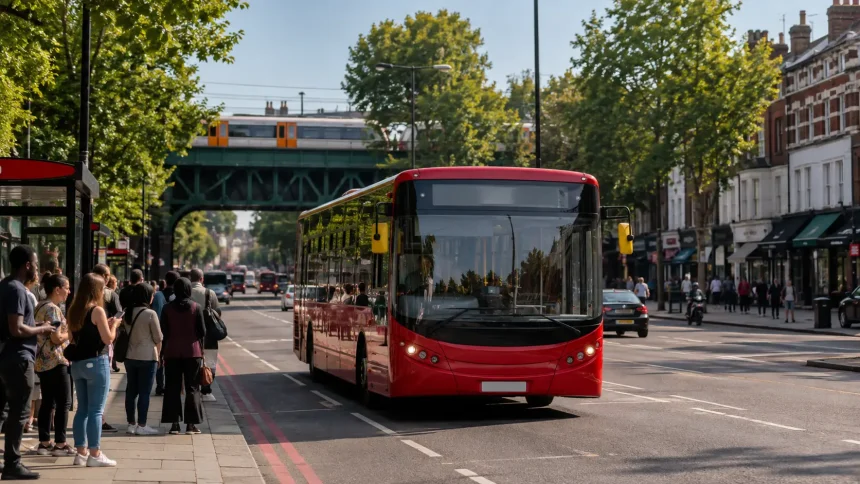
The SL15 bus route has been confirmed as a new limited-stop Superloop service between Clapham Junction and Eltham. It is expected to begin operating during 2027, although an exact launch date and final passenger timetable have not yet been announced.
The route will run mainly along the A205 South Circular Road, connecting Clapham Junction with Clapham South, Streatham, Tulse Hill, West Dulwich, Forest Hill, Catford, Lee and Eltham. It will serve 18 named calling points and provide links with major railway stations, the Northern line, London Overground services and numerous local bus routes.
The final scheme differs from the original consultation proposal. Christ Church in Streatham and Torridon Road in Hither Green have been added, Eccles Road has been removed, and the stopping and standing arrangements around Clapham Junction have been revised.
What Is the Latest SL15 Bus Update?
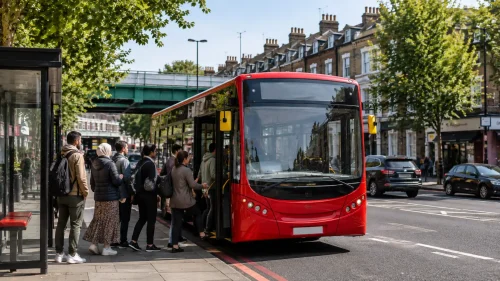
The latest confirmed position is that the SL15 will go ahead as a limited-stop bus route between Clapham Junction and Eltham. The consultation has concluded, and the decision to proceed was announced on 10 March 2026 after 1,897 responses were received.
In its official update, TfL said it had “announced our decision to proceed to introduce new Superloop route SL15 operating as a limited-stop service between Clapham Junction and Eltham.” This confirms the route itself, but it does not mean that passenger services have already started.
The distinction is important because older articles and consultation pages may still describe the SL15 as a proposed route. As of 1 August 2026, the route is approved and expected to launch in 2027, but the exact opening date remains pending.
The SL15 is intended to expand direct east–west bus travel across south London. It will operate alongside existing local routes rather than replacing the wider network of all-stops services.
When Will The SL15 Bus Route Start and How Often Will It Run?
The SL15 bus route is expected to start during 2027. No confirmed month, date or first day of passenger operation had been published by 1 August 2026.
The planned service frequency is designed to provide regular buses throughout the week.
Planned Service Pattern
- Buses will run every 12 minutes during Monday-to-Saturday daytimes.
- Buses will run every 15 minutes on Sundays.
- Evening services will operate every 15 minutes.
- Early-morning services will operate every 15 minutes.
- The route is planned to operate seven days a week.
- An overnight service is not included in the published plan.
The original consultation referred to approximate operating hours between 05:00 and 00:30. However, those hours were described as indicative, meaning passengers should wait for the final timetable before relying on specific first or last bus times.
The 12-minute daytime frequency would provide approximately five buses an hour when the service is operating normally. At other planned times, a 15-minute frequency would provide about four buses an hour.
Which Stops Will The SL15 Bus Route Serve?
The supplied confirmed SL15 stop list contains 18 named calling points between Clapham Junction and Eltham. These stops include railway interchanges, town centres, busy local destinations and locations where passengers can connect with other bus routes.
Complete SL15 Bus Stop List
| No. | Bus Stop |
| 1 | Clapham Junction Falcon Road |
| 2 | Clapham Junction St. John’s Road |
| 3 | Clapham South Cavendish Road |
| 4 | Clarence Avenue Poynders Road |
| 5 | Streatham Place Brixton Hill |
| 6 | Christ Church Christchurch Road |
| 7 | Tulse Hill for Tulse Hill |
| 8 | Croxted Road Thurlow Park Road for West Dulwich |
| 9 | Wood Vale Lordship Lane for Horniman Museum & Gardens |
| 10 | Forest Hill |
| 11 | Kilmorie Road Brockley Rise |
| 12 | Catford and Catford Bridge |
| 13 | Catford Town Centre Catford Road |
| 14 | Torridon Road Brownhill Road |
| 15 | Baring Road Lee |
| 16 | Eltham Road Westhorne Avenue |
| 17 | Well Hall Road Eltham High Street |
| 18 | Eltham |
The stop sequence shows how the route will connect western, central and south-eastern parts of London without calling at every local stop along the corridor.
Clapham Junction to Tulse Hill
The western section begins with two Clapham Junction calling points at Falcon Road and St. John’s Road. It then serves Clapham South at Cavendish Road, Clarence Avenue at Poynders Road, Streatham Place at Brixton Hill, Christ Church at Christchurch Road and Tulse Hill.
This section will connect passengers with Clapham Junction’s extensive National Rail and London Overground services, as well as the Northern line at Clapham South. The Christ Church stop was added following consultation feedback, improving access from the Streatham and Christchurch Road area.
The stop list should be read separately from the operational bus stand. Grant Road is planned as a place for buses to stand after serving the relevant Clapham Junction stops, but it is not included as one of the 18 passenger calling points.
Which Stops Serve West Dulwich, Forest Hill and Catford?
From Tulse Hill, the SL15 will continue to Croxted Road and Thurlow Park Road for West Dulwich. It will then serve Wood Vale and Lordship Lane for Horniman Museum & Gardens before reaching Forest Hill.
The route continues through Kilmorie Road at Brockley Rise, followed by a stop serving Catford and Catford Bridge stations. A separate Catford Town Centre stop on Catford Road will provide access to local shops, services and connecting buses.
Passengers can check the confirmed SL15 stop map for the post-consultation route pattern and the placement of the added calling points.
Catford to Eltham
East of Catford Town Centre, the route will serve Torridon Road at Brownhill Road. This stop was added after the consultation and provides another connection in the Hither Green area.
The SL15 will then continue through Baring Road in Lee, Eltham Road at Westhorne Avenue and Well Hall Road for Eltham High Street. The final named stop is Eltham, providing access to Eltham station and onward local services.
Eltham High Street and Eltham station are therefore separate calling points. This distinction will help passengers travelling to the shopping area or changing to rail services at the eastern terminus.
How Will the SL15 Operate as a Limited-Stop Express Service?
A limited-stop service does not stop at every bus stop along its road corridor. Instead, the SL15 will call at selected locations serving railway stations, town centres, major junctions and other well-used destinations.
This operating pattern is intended to support longer cross-south-London journeys. A passenger travelling between Clapham Junction and Catford, for example, would not need to remain on a bus that stops at every intermediate local stop.
The SL15 should not be described as a non-stop or traffic-free service. It will still be affected by road conditions, junction delays and congestion, particularly along busy parts of the South Circular.
Existing local bus routes will continue to be important. They will serve intermediate stops omitted by the SL15 and help passengers reach the nearest Superloop calling point.
The original consultation estimated that a complete end-to-end journey could take up to 75 minutes when traffic conditions were considered. That figure is not a guaranteed journey time and may change when the final timetable is produced.
What Changed After the SL15 Consultation?
The consultation resulted in several material changes to the route’s stops and Clapham Junction arrangements. The revised scheme was announced after responses from residents, passengers, organisations and other stakeholders were reviewed.
Confirmed Consultation Changes
- The original plan for buses to alight and stand beneath the Falcon Road railway bridge will not proceed.
- Towards Clapham Junction, buses will serve stops V and E before standing at Grant Road.
- Towards Eltham, buses will continue to serve stops G and T.
- Eccles Road has been removed from the final route.
- A pair of stops at Christ Church in Streatham has been added.
- A pair of stops at Torridon Road in Hither Green has been added.
- Additional SL6 stops are planned around the Tulse Hill gyratory.
These changes show that the final SL15 route should not be based solely on the original consultation map.
The Clapham Junction changes also demonstrate the difference between a bus stop and a bus stand. A passenger stop is used for boarding or alighting, while a stand is an operational location where a bus may wait before beginning its next journey.
Further changes affecting nearby local route stops may be needed to accommodate the Grant Road stand. Those arrangements had not been finalised by 1 August 2026.
How Will Passengers Connect With Trains, The Tube and Other Buses?
The SL15 has been designed to connect with important rail, Underground, Overground and bus services across south London. TfL’s consultation material identified potential interchange with 77 other bus routes and eight train stations.
Major Rail and Tube Connections
Clapham Junction provides National Rail services and London Overground connections, while Clapham South provides access to the Northern line.
Tulse Hill, West Dulwich, Catford, Catford Bridge and Eltham offer National Rail connections. Forest Hill is served by National Rail and London Overground’s Windrush line.
The SL15 stop names do not necessarily mean that every interchange will be directly outside a station entrance. Passengers may need to cross a road or walk between the bus stop and rail platforms, and accessibility arrangements can differ by location.
Where Will the SL15 Connect With the SL6?
The planned interchange with the SL6 will be around the Tulse Hill gyratory. Stops E and G are due to be added to the SL6 stopping pattern, providing more direct connections with the SL15 and other routes during the SL6’s operating periods.
The Tulse Hill interchange map shows how the two Superloop services are intended to connect in this area.
The SL6 does not operate with the same all-day pattern planned for the SL15. Passengers intending to change between the routes should therefore check the relevant timetable when the SL15 begins operating.
Connections With Local Bus Routes
Local routes will remain essential for passengers travelling to neighbourhoods between SL15 stops. They will also provide first- and last-stage connections from homes, workplaces and local amenities.
The SL15 is expected to add capacity alongside routes such as the P13, 160 and 185 on parts of the corridor. It is not currently planned as a direct replacement for those services.
Passengers may therefore combine a local all-stops bus with the SL15 for longer journeys. Whether that saves time will depend on waiting times, traffic and the convenience of the interchange.
Why Will Single-Deck Buses Be Used on the SL15?
The SL15 will use single-deck buses because of the low railway bridge on Thurlow Park Road. Standard double-deck buses would not be suitable for the route because they could not safely pass beneath the bridge.
The use of single-deck vehicles is therefore an infrastructure requirement rather than a reduction in the service’s Superloop status. The route will still operate as part of the express bus network.
Consultation information indicated that the vehicles would feature the usual Superloop accessibility provisions. Proposed onboard facilities included USB charging points and passenger travel information.
The exact bus model, manufacturer, operator, seating capacity and powertrain had not been confirmed publicly by 1 August 2026. Claims that a particular vehicle has already been selected should be treated cautiously unless supported by a later contract or fleet announcement.
Passengers requiring specific accessibility information should check the final vehicle and stop details closer to launch.
What Could the SL15 Bus Route Mean for South London Journeys?
The SL15 could create a more direct east–west link across parts of south London that are not connected by a single railway line. Its practical value will depend on each passenger’s origin, destination and distance from a calling point.
Potential Passenger Effects
- Some journeys between Clapham, Tulse Hill, Catford, Lee and Eltham could require fewer changes.
- Railway stations and town centres could gain more frequent direct bus connections.
- The route could add capacity on busy sections also served by local buses.
- Forest Hill and Horniman Museum & Gardens could become easier to reach from parts of the route.
- Limited stopping could make longer journeys more direct than comparable all-stops services.
- Some passengers may need to walk further because the SL15 will not serve every local stop.
- Actual journey times will remain dependent on congestion and traffic management.
These are potential outcomes rather than guaranteed benefits. The consultation assessment stated that some Clapham Junction users could face walking-time changes of up to approximately two minutes if local stops are rearranged.
For passengers travelling short distances, an existing local route may remain more convenient. For longer journeys between the route’s principal centres, the SL15 may provide a simpler alternative.
What Remains Unconfirmed Before the SL15 Launches?
Several important operational details remain outstanding despite the route itself being approved.
These include the exact launch date, complete timetable, first and last bus times, scheduled end-to-end journey duration, operating company, final vehicle allocation and detailed customer arrangements around Clapham Junction.
Launch Date and Final Timetable
The phrase “expected to launch during 2027” provides a broad launch window rather than a confirmed service date. It does not establish a particular season, month or day.
The final timetable will determine the actual first and last buses, scheduled running times and whether operating hours differ on public holidays. The earlier 05:00-to-00:30 range was indicative consultation information and should not be treated as a final schedule.
The full consultation findings report records the decision, responses and post-consultation changes, while later customer information will be needed for journey planning.
Which Clapham Junction Arrangements Are Still Pending?
The confirmed route will serve designated Clapham Junction stops before buses stand at Grant Road. However, nearby stopping arrangements for other local routes are still subject to review.
The purpose of that review is to spread buses across the town-centre stops, manage congestion and maintain practical passenger access. Further information is expected closer to the launch.
Until those arrangements are published, passengers should not assume that every nearby route will continue using exactly the same stop. Any confirmed changes should be accompanied by updated signs, journey-planning information and local passenger notices.
Conclusion
The SL15 bus route is confirmed as a new limited-stop service between Clapham Junction and Eltham, with launch expected during 2027. It will serve 18 named calling points and provide connections with important stations, town centres and local bus routes across south London.
The final route includes consultation-led changes at Clapham Junction, Christ Church and Torridon Road, while Eccles Road has been removed. Buses are planned every 12 minutes during Monday-to-Saturday daytimes and every 15 minutes at other stated times.
Passengers should check updated official information before travelling because the precise launch date, full timetable and some local stopping arrangements remain unconfirmed.
Frequently Asked Questions
Will the SL15 Replace the P13, 160 or 185?
No replacement of those routes has been announced as part of the SL15 scheme. The new service is planned to operate alongside local buses and may add capacity on sections also served by the P13, 160 and 185.
Will the SL15 Stop at Eccles Road?
No. Eccles Road was included in earlier plans but was removed after the Clapham Junction stopping and standing arrangements were revised following consultation.
Is Grant Road a Passenger Stop or a Bus Stand?
Grant Road is currently described as the planned standing location for buses after they serve the relevant Clapham Junction passenger stops. It is not included in the supplied list of 18 calling points.
Does the SL15 Serve Brixton Station?
The route serves Streatham Place at Brixton Hill, not Brixton Underground or railway station. Passengers travelling to central Brixton will need to use an appropriate connecting bus or another transport service.
Does the SL15 Stop Near Both Catford Stations?
Yes. The stop listed as Catford and Catford Bridge is intended to serve the area around both railway stations. The route then serves a separate Catford Town Centre stop on Catford Road.
Will the SL15 Serve Horniman Museum & Gardens?
Yes. The route includes Wood Vale at Lordship Lane for Horniman Museum & Gardens. A walk may still be required between the bus stop and the museum entrance.
What Accessibility and Onboard Facilities Are Planned?
The route is expected to use accessible single-deck buses with standard Superloop provisions. Consultation information also referred to USB charging and onboard travel information, although the final vehicle specification remains unconfirmed.
Editorial Note:
This article reflects information available on 1 August 2026. The supplied stop list has been reproduced in the order provided. Proposed benefits are identified separately from confirmed operational details. Launch information should be checked again before publication or travel.