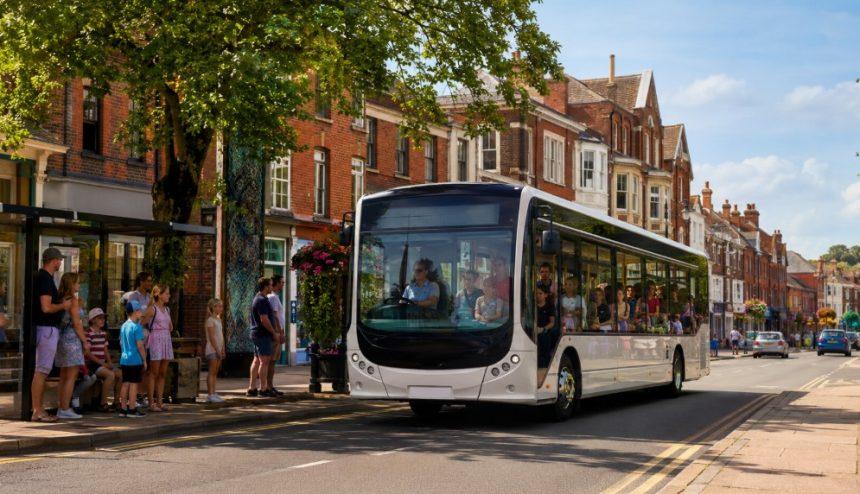
Children aged five to 15 will be able to travel free on local buses in England from 1 August to 31 August 2026 under the Great British Summer Savings scheme. The England August bus travel changes are designed to reduce the cost of family journeys during the school holidays.
The Government says eligible children can make unlimited journeys without advance registration, although its published material refers both to “participating buses” and “any local bus service”. Families should therefore confirm that their chosen route is included before travelling.
The arrangement is a temporary free-fare programme. It does not permanently lower the qualifying age for England’s statutory concessionary bus-pass scheme, and it does not automatically make trains, coaches or other forms of public transport free.
Key Takeaways:
| Key Point | What Families Need To Know |
| Travel dates | Free eligible journeys run from 1 to 31 August 2026 |
| Eligible ages | Children aged five to 15 |
| Geographical coverage | Local bus services in England |
| Registration | No national advance registration is required |
| Number of journeys | Unlimited eligible journeys |
| Permanent change | No permanent child concessionary pass has been announced |
| Adult travel | Adults still need a ticket or valid concessionary pass |
| Local differences | Families should check the route and operator before travelling |
The most important practical step is to check the full journey, including connections and the final return service, rather than assuming every bus-like service follows the same rules.
What Are the August Bus Travel Changes in England for 2026?
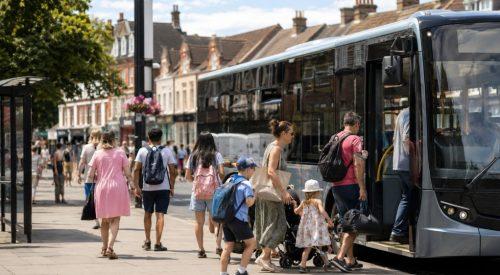
The central change is a temporary zero fare for children aged five to 15 using eligible local bus services in England throughout August 2026. The scheme begins on Saturday, 1 August and finishes at the end of Monday, 31 August.
More than £100 million has been committed to fund the free fares and provide wider support for bus services. The measure forms part of a summer cost-of-living programme intended to make days out, family visits and everyday local journeys more affordable.
Transport Secretary Heidi Alexander said the package includes “free bus travel for children this summer” alongside the continuing adult fare cap. The official announcement also says child fares outside London commonly cost between £1 and £2, meaning the value of the offer will depend on normal local prices and how frequently a child travels.
Children will not be issued with a new permanent national bus pass. In practice, the scheme temporarily removes the child fare from qualifying journeys during the stated period.
Who Can Travel Free On Buses During August 2026?
The national age range covers children aged five to 15. A passenger who is already 16 falls outside the published national entitlement unless a separate regional or operator discount applies.
Eligibility Points:
- Children aged five to 15 qualify under the announced national scheme.
- Under-fives already travel free with many major operators, although local conditions may differ.
- Adults accompanying children must buy a ticket or use an existing concessionary pass.
- Passengers aged 16 or over must use the normal adult, student or local youth fare.
- A regional scheme may offer wider eligibility or a longer travel period.
The Government has not published a single national proof-of-age requirement in the launch material. However, families travelling with teenagers close to 16 should review operator instructions and consider carrying appropriate age evidence.
A child who turns 16 during August should not automatically assume that free travel continues after the birthday. Until an operator provides a different rule, the safest interpretation is that eligibility is based on the passenger’s age on the day of travel.
Which Bus Services And Journeys Are Included In The August Free-Travel Scheme?
The scheme is intended for local bus travel in England. The detailed official free travel announcement refers to participating buses, while a separate policy fact sheet says children can travel on any local bus service.
That difference makes operator-level confirmation important.
Participating Local Bus Services
Ordinary scheduled local services are the main focus of the programme. These may include urban routes, rural buses and services crossing council boundaries, provided the relevant operator and route are covered.
Families changing buses should check every part of the journey. Participation by the first operator does not necessarily establish that a connecting service, special route or cross-border section is included.
Services That May Not Be Included
The announcement should not automatically be interpreted as free travel on every vehicle carrying passengers.
Transport To Check Separately:
- Long-distance coach services.
- Dedicated school or contract buses.
- Trains and rail replacement services.
- Trams and underground services.
- Airport buses and private excursions.
- Community and demand-responsive transport.
- Special event or sightseeing services.
These services may have their own child fares, local concessions or booking conditions, so passengers should confirm the position directly.
Cross-Border And Connecting Journeys
The national offer applies in England. It does not establish an equivalent entitlement in Scotland, Wales or Northern Ireland, where transport support is devolved.
On a route that crosses a national border, the free fare may apply only to the eligible English section or may depend on the operator’s implementation. Families should check both the outward and return journeys, especially when changing operators.
Do Children Need A Bus Pass, Registration Or Proof Of Age?

No national application, registration process or special physical bus pass is required under the announced scheme. Eligible children should not need to complete a council form or purchase a promotional pass before travelling.
Operators may still use their normal ticketing systems. A driver could issue a zero-value ticket, ask the passenger’s age or require the child to request the relevant free fare when boarding.
The national announcements do not set out one compulsory proof-of-age document for every service. This means implementation details may vary, particularly for children who look older than their age.
Families should check whether the operator accepts a school identification card, travel card, passport copy or another form of age evidence. A child’s existing local travel card may remain useful even though national registration is not required.
The free-fare scheme also does not replace rules governing unaccompanied children. Operators may continue to apply their usual safeguarding, conduct and minimum-age arrangements.
Is The August Scheme A Permanent Change To England’s Free Bus-Pass Rules?
No permanent reduction in England’s concessionary bus-pass age has been announced. The August programme is a time-limited child-fare initiative rather than an amendment granting every child a continuing statutory bus pass.
The distinction matters because some reports describe the policy as a new “free bus pass rule”. That wording may encourage families to search for an application or believe the entitlement continues after August, neither of which is supported by the current official announcement.
Older and eligible disabled passengers should continue using their existing concessionary passes under the rules applying in their area. Their eligibility, permitted travel times and pass conditions remain separate from the temporary children’s scheme.
Common misunderstandings include claims that every child will receive a physical pass, that all public transport will become free or that the arrangement covers the whole United Kingdom. The confirmed scheme concerns eligible children travelling on local buses in England during August 2026.
Normal child fares or existing regional discounts are expected to resume when the national programme ends unless a further official announcement is made.
How Will The August Bus Changes Work In London And South West England?
The practical benefit will differ between regions because some areas already provide free or discounted child travel.
London’s Existing Child Travel Scheme
London already has an established scheme under which eligible children aged five to 15 can receive free travel using a child photocard. The Government’s summer fact sheet acknowledges this existing arrangement, so the new national programme is likely to create less change in the capital than in many areas outside it.
Families in London must still follow the capital’s existing eligibility, application and validation requirements. The August announcement should not be treated as removing the need for the normal local photocard where one is required.
West Of England Kids Go Free
The West of England has confirmed a longer regional programme running from 18 July to 6 September 2026. Under-16s can travel free without registration across the participating regional network, covering the full seven-week school holiday.
The regional free travel details cover Bath and North East Somerset, Bristol, North Somerset and South Gloucestershire.
The regional authority says more than 150,000 children aged five to 15 are eligible and that the programme has saved families over £1.4 million since its launch. It has also committed funding for school-holiday offers until at least 2029.
Other South West Areas
Families in Cornwall, Devon, Dorset, Somerset, Wiltshire and Gloucestershire should check their local operator’s August instructions. Some councils had not yet published full implementation details when the national launch was announced; Gloucestershire, for example, said further information would follow.
Local timetables also matter. Rural and coastal services may run less frequently, while seasonal buses, roadworks and bank holiday schedules can affect the return journey.
How Much Money Could Families Save Through Free August Bus Travel?

Savings depend on normal child fares, the number of children travelling and the number of eligible journeys made.
The official launch material says child fares commonly range from £1 to £2. A household with two children making one return trip every week could therefore save approximately £16 to £32 over four weeks, depending on local prices.
Illustrative Family Savings:
| Travel Pattern | Possible Child-Fare Saving |
| One child making four return trips at £1 per journey | £8 |
| Two children making four return trips at £1 per journey | £16 |
| Two children making four return trips at £1.50 per journey | £24 |
| Two children making four return trips at £2 per journey | £32 |
These examples are calculations rather than guaranteed savings. Families in areas that already provide free child travel may see little additional benefit, while households making frequent journeys could save more.
Adults must still pay. On participating routes, an eligible adult single fare is generally limited by the national cap, which has been extended until March 2027. The national bus fare cap guidance lists included operators and excluded routes.
A day, group or local multi-operator ticket may still be cheaper for accompanying adults making several journeys.
What Should Families Check Before Travelling By Bus In August?
Free travel reduces the child fare but does not remove the need to plan the journey. Families should confirm eligibility, timetable information and the return service before leaving home.
Operator Participation And Ticket Rules
Passengers should establish whether the operator and route are included, what the child needs to request when boarding and whether a free ticket will be issued.
An operator may also publish separate rules for proof of age, mobile tickets, pre-booked services or existing youth travel cards. Information should be checked again close to the travel date because implementation guidance can change.
Timetables, Capacity And Return Journeys
School-holiday timetables, diversions and bank holiday services may differ from normal weekday schedules. Popular buses serving beaches, attractions and town centres may also be busier than usual.
Free travel does not guarantee a seat. Rural passengers should pay particular attention to service frequency and the final bus home, especially where a missed connection could leave no later alternative.
Other Transport Costs
The free fare applies to the eligible child’s qualifying bus journey, not necessarily the entire family day out.
Before-Travel Checklist:
- Confirm that the operator and route are included.
- Check each connection in a multi-stage journey.
- Review outward and final return times.
- Check proof-of-age advice for older children.
- Allow for adult fares and non-bus connections.
- Review diversions and service updates on the day.
- Confirm separate rules for cross-border travel.
Completing these checks can prevent unexpected fares, missed connections and confusion when boarding.
What Happens When The Free Bus Travel Scheme Ends On 31 August 2026?
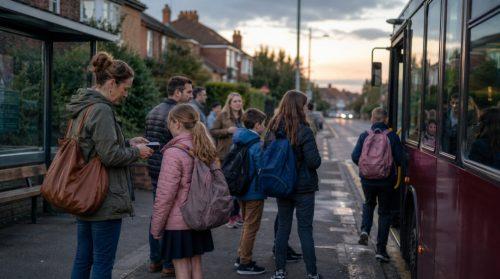
The national free-fare period is currently scheduled to finish after 31 August. From 1 September, ordinary child fares and existing local concessions are expected to apply again unless a regional authority or operator has announced a longer offer.
The West of England is a notable exception because its 2026 summer programme continues until 6 September. Other areas may also operate independent youth fares, travel cards or school-holiday promotions.
No permanent nationwide entitlement has been confirmed. Any continuation, extension or change to the statutory concessionary system would require a further announcement.
Evidence from the West of England suggests that removing fares can increase child bus use substantially. In lower-income neighbourhoods, journeys rose by an average of 98% during the previous summer programme, although those regional results do not guarantee the same outcome nationally.
Families relying on buses after August should check normal September fares before making regular travel plans.
Conclusion
The England August bus travel changes give children aged five to 15 free local bus journeys from 1 to 31 August 2026, with unlimited qualifying travel and no national advance registration.
The policy is temporary and should not be confused with a permanent change to England’s concessionary bus-pass age. Adults must still pay, and trains, coaches, trams and specialist services should be checked separately.
Families can avoid most problems by confirming the operator, route, proof-of-age guidance, connections and final return time before travelling.
FAQs
Can A Child Travel Alone Under The August Offer?
The fare scheme does not automatically change operator rules for unaccompanied children. Parents should check the service’s safeguarding and minimum-age conditions.
What Happens If A Child Turns 16 During August?
The published national age range ends at 15. The family should ask the operator whether eligibility ends on the child’s 16th birthday.
Will Children Under Five Continue To Travel Free?
Many major operators already allow under-fives to travel free. Accompaniment rules and the number of free children permitted may vary.
Can A Free Journey Continue Into Wales?
The national offer applies to local buses in England. Cross-border eligibility should be confirmed with the operator before travel.
Are Dedicated School Buses Included?
School-only and contract services may operate under separate fare arrangements. Families should not assume that the national summer offer applies.
Can A Child Reserve A Seat On A Busy Bus?
Free travel does not guarantee a seat or create a national reservation right. Any advance-booking facility depends on the individual service.
Can Families Claim Refunds For Tickets Bought Earlier?
No national refund arrangement has been announced for previously purchased child tickets. Refund requests should be directed to the original ticket seller.
Note:
The August 2026 scheme is based on official national and regional announcements available before its launch. Operator participation, route coverage, ticketing procedures and proof-of-age requirements may be clarified or updated, so passengers should confirm the latest journey information before travelling.