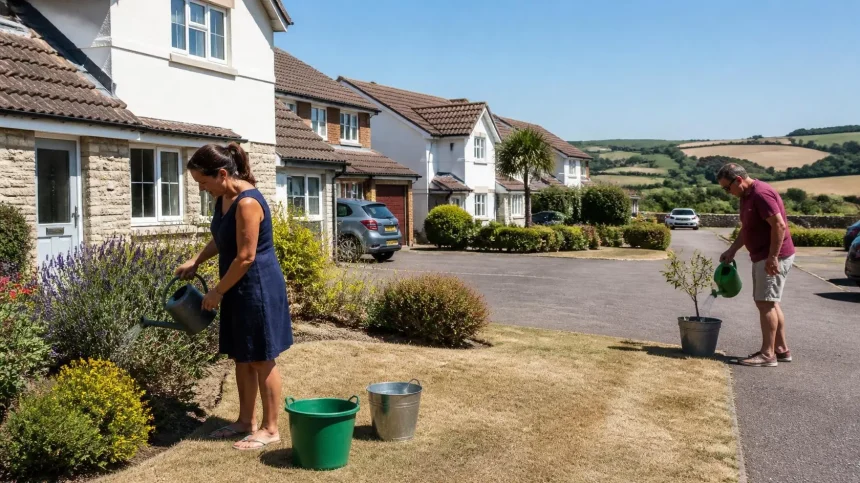
The southwest water hosepipe ban comes into force at 12:00 noon on Tuesday, 14 July 2026, covering specified parts of Mid Devon and East Devon. Customers in affected areas must not use hosepipes for certain non-essential purposes while the temporary restrictions remain in place.
The ban covers common activities such as watering gardens, washing private cars, filling paddling or swimming pools, and cleaning patios or driveways with a hosepipe. However, normal essential household water use can continue, and statutory or specific exceptions apply in circumstances involving health, disability, animal welfare, some business activities and certain other needs.
Key Takeaways:
- Affected areas include Tiverton, Cullompton, Bampton, Honiton, Dunkeswell, Axminster, Lyme Regis and South Molton.
- The restrictions cover hosepipes and other equipment connected to the mains supply, including some sprinklers, irrigation systems and pressure washers.
- Watering cans and buckets can still be used for many activities.
- Some household, health, welfare and commercial exceptions apply.
- The ban is temporary, but no fixed end date has been confirmed.
This is informational, not financial/legal advice. Customers and businesses should check the latest official rules before relying on an exception.
Where Does the Southwest Water Hosepipe Ban Apply?
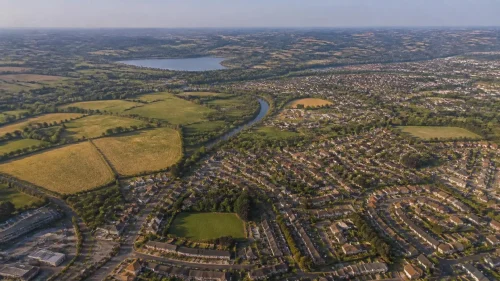
The southwest water hosepipe ban applies to customers in specified parts of Mid Devon and East Devon, rather than automatically covering every household or business in Devon or the wider South West.
The towns and surrounding areas identified as covered are:
- Tiverton
- Cullompton
- Bampton
- Honiton
- Dunkeswell
- Axminster
- Lyme Regis
- South Molton
The precise boundary depends on where a property receives its treated drinking water from. This means neighbouring postcodes can potentially be treated differently if they are supplied through different parts of the water network.
Customers should therefore check their own postcode rather than relying only on a town name, social media post or another person’s situation.
When Did the South West Water Hosepipe Ban Start, and How Long Could It Last?
The temporary restrictions come into force at 12:00 noon on Tuesday, 14 July 2026. Customers were also asked to begin following the restrictions before formal enforcement to help reduce pressure on the local network.
No fixed end date has been announced. The restriction is expected to remain until demand returns to more normal levels and treated-water storage has recovered sufficiently.
The decision to lift the ban will therefore depend on operational conditions rather than a pre-set calendar date. Demand, weather conditions, treatment capacity and recovery of stored treated water may all influence how long restrictions are needed.
Updates may also change as conditions develop, so customers should continue checking current information rather than assuming that an older article or social media post remains accurate.
Why Has South West Water Introduced the Hosepipe Ban?
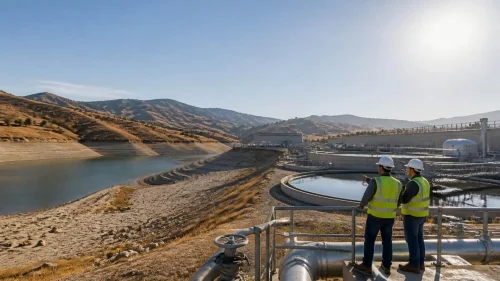
The restriction has been introduced because exceptionally high demand has placed significant pressure on the local drinking-water network. The affected area has been using around 5.4 million extra litres of water each day, while treatment works have been operating at maximum capacity.
The issue is not simply whether untreated water exists. Drinking water must be treated to required quality standards before entering the public supply, and treatment works can process only a certain volume within a given period.
The company said recent extreme heatwaves had sharply increased demand.
The Managing Director for Water Services, David Harris, stated:
“The extreme hot weather over the last few weeks has resulted in exceptionally high demand on our drinking water network.”
High Water Demand During Hot And Dry Weather
Prolonged hot and dry conditions typically increase outdoor water use, particularly for gardens, paddling pools, vehicles and cleaning. The current restrictions are intended to reduce that non-essential demand so treatment and distribution capacity can focus on essential needs.
The company reported several interventions:
- Additional tankers have been deployed to move water into the network
- Leak detection and repair resources have more than doubled in the affected area
- Network adjustments have been made to reroute water from areas under less pressure.
More detailed figures and the operational explanation are available in the official temporary restrictions announcement.
Protecting Local Water Resources
The restriction is a demand-management measure designed to protect reliable supplies for drinking, cooking, washing and sanitation. It does not mean ordinary household taps are being routinely switched off.
Why Can Restrictions Begin Before Water Runs Out?
A treatment works can have access to untreated source water while still being unable to process drinking water quickly enough to match unusually high consumption. Reducing non-essential use can therefore help the treated-water network recover before a more serious supply problem develops.
What Can People Not Do During the Southwest Water Hosepipe Ban?
Customers in affected areas must not use a hosepipe for specified non-essential activities unless a valid exception applies.
Common Restricted Uses
- Watering gardens, lawns, allotments and other green spaces
- Washing private cars, vans, motorcycles and similar vehicles
- Filling or topping up domestic swimming pools, paddling pools and hot tubs
- Filling garden ponds, fountains and water features where no exception applies
- Cleaning patios, paths, driveways, walls and windows
- Cleaning private leisure boats
The restriction can cover more than a conventional garden hose. Equipment connected to the mains water supply, including sprinklers, irrigation systems and pressure washers, may also fall within the rules.
That does not mean every use of such equipment is prohibited in every circumstance. For example, specific exceptions can apply to certain low-water-use appliances, commercial activities, health needs or animal welfare.
What Can People Still Do During the Hosepipe Restrictions?
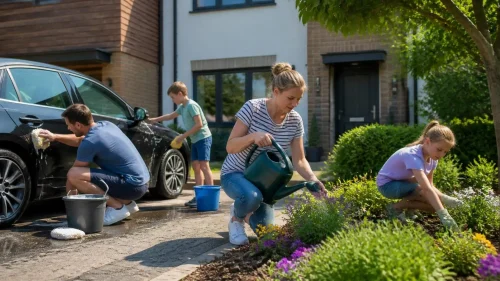
The ban restricts specified uses of hosepipes; it is not a general ban on using water. People can continue normal essential household activities, including drinking, cooking, showering, washing clothes and sanitation.
Using Watering Cans And Buckets
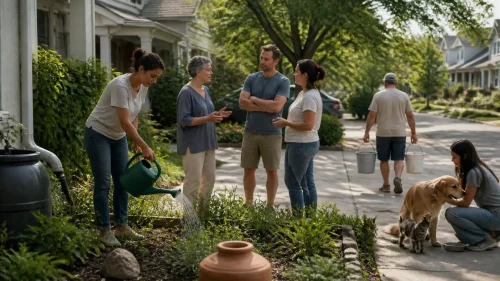
- There is no general restriction on using a watering can in the garden. A bucket and sponge can also be used instead of a hosepipe to wash a car.
- A watering can may be especially useful for targeting individual plants, while watering early in the morning or later in the evening can reduce losses through evaporation.
Essential Uses And Everyday Water Needs
- Customers can continue using water for ordinary domestic needs.
- Exceptions may also permit hosepipe use where necessary for human health and safety, animal welfare or other specifically recognised purposes.
- The full categories should be checked against the current hosepipe ban exceptions before assuming a particular use is permitted.
The Method Of Water Use Matters
- In some cases, the activity itself can continue but the use of a mains-connected hosepipe is restricted. For example, a person may be unable to wash a private car with an ordinary hosepipe but can use a bucket and sponge.
- This distinction is important because the legal restriction focuses on specified methods and uses of water, not a complete prohibition on everyday activities.
Who Is Exempt from the South West Water Hosepipe Ban?
Some people and uses are exempt. An individual should not assume that visible hosepipe use is automatically a breach because the user may have a lawful exception.
General exceptions include certain circumstances where:
- A person is on the Priority Services Register and cannot make reasonable adjustments because of a health condition or disability;
- A person is a Blue Badge holder;
- Water is needed to protect human health and safety;
- Water is required for animal welfare, including pets, livestock or fish;
- The water does not come from the mains supply, such as stored rainwater or recycled water.
There are also activity-specific exceptions.
Examples Of Activity-Specific Exceptions
| Activity | Examples Of When An Exception May Apply |
| Garden watering | Recently planted trees, newly laid turf, certain newly bought plants, food crops or qualifying drip irrigation |
| Ponds | Protecting fish or aquatic animals, or certain recognised religious uses |
| Pools | Medical, therapeutic, veterinary, construction or specified religious purposes |
| Vehicles | Certain business, commercial, public-service or goods vehicles |
| Cleaning | Professional cleaning services and qualifying commercial activity |
| Plant growing | Commercial crops, plants grown for sale and certain public displays |
Some garden exceptions have specific conditions. These include turf laid within the previous 28 days, newly bought plants during an initial 14-day period, and qualifying sports surfaces watered outside stated peak periods.
Even where an exception applies, careful water use remains advisable while pressure on local supplies continues.
How Does the Southwest Water Hosepipe Ban Affect Businesses?
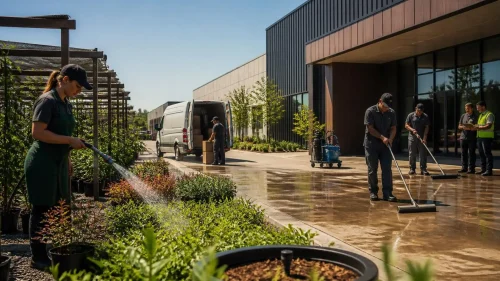
Businesses are not automatically exempt simply because hosepipe use forms part of their work. However, several commercial and professional activities can fall within specific exceptions.
Business Uses That May Need Extra Checks
- Vehicle cleaning, professional exterior cleaning, commercial horticulture, boat maintenance and some public-service activities can be treated differently from ordinary private use.
- For example, the restrictions distinguish between washing a private vehicle at home and cleaning vehicles as part of a qualifying business activity.
- Commercial growing of crops, fruit, vegetables and plants for sale can also qualify for specific exceptions.
Commercial Exceptions And Essential Activities
Examples of potentially permitted business-related use include:
- Professional cleaning services
- Commercial car-washing activity
- Cleaning vehicles used for business, public services or transporting goods
- Commercial growing of crops and plants for sale
- Certain boat-cleaning activities carried out professionally or for specified safety purposes
The exact conditions matter. Small businesses should read the latest official restriction guidance before continuing an activity that would otherwise be prohibited.
Practical Steps For Small Businesses
- A business should identify the exact activity, check whether the UK property is in the restriction area and confirm that the relevant exception actually covers its use.
- Where appropriate, it may also be sensible to keep records showing why a particular hosepipe use was considered exempt.
- A commercial purpose should never be treated as a blanket exemption without checking the applicable wording.
What Should Residents and Businesses Do While the Hosepipe Ban Is in Place?
The safest approach is to check both location and activity before using equipment connected to the mains water supply.
Hosepipe Ban Checklist
| What To Check | Why It Matters |
| Is the property in the affected supply area? | Not every property in Devon is covered |
| Is the activity specifically restricted? | The rules target defined uses |
| Does a valid exception apply? | Some health, welfare and commercial uses are permitted |
| Does the equipment connect to mains water? | Sprinklers and pressure washers can also be covered |
| Has the guidance changed? | Restrictions may be amended or lifted |
Customers should also consider alternatives such as watering cans, buckets, recycled water or stored rainwater where suitable. Reducing avoidable demand can help maintain treated supplies for essential everyday needs.
What Facts and Common Misunderstandings Should People Know About the Hosepipe Ban?
Several misunderstandings can make the rules appear either broader or narrower than they actually are.
Confirmed Facts
- The restriction begins at noon on 14 July 2026.
- It applies to specified areas rather than the whole of Devon.
- Around 5.4 million litres of additional daily demand has been reported in the affected area.
- The treatment system has been operating at maximum capacity.
- Statutory and activity-specific exceptions exist.
Common Misunderstandings
- A hosepipe ban does not mean all household water use is prohibited.
- A business is not automatically exempt from every restriction.
- Pressure washers are not automatically outside the rules.
- A person using a hosepipe may have a valid health, welfare or commercial exception.
- There is no confirmed fixed date on which the current restriction will automatically end.
The company has also reported that increased leak-detection and repair activity is preventing around 3.5 million litres of water loss per day in the area. The ban is expected to be lifted once demand has normalised sufficiently and treated-water storage has recovered.
Conclusion
The southwest water hosepipe ban is a temporary restriction affecting specified parts of Mid Devon and East Devon from 12:00 noon on 14 July 2026. Its purpose is to reduce non-essential demand while local treatment infrastructure operates under pressure from exceptionally high water use.
Residents should avoid restricted hosepipe activities but can continue normal essential household water use and use alternatives such as watering cans or buckets. Some health, disability, animal welfare and business exceptions apply, but these should be checked carefully rather than assumed.
Because the affected area, exceptions and duration can change, the latest official guidance should remain the primary reference.
Frequently Asked Questions
Does A Hosepipe Ban Mean Household Tap Water Will Be Turned Off?
No. The restriction limits specified non-essential uses of hosepipes. Normal water use for drinking, cooking, washing and sanitation can continue.
Can Tenants Use A Hosepipe If Their Landlord Owns The Property?
Tenants must follow the restrictions that apply to the affected property and water supply. Property ownership does not by itself remove the obligation to follow the rules.
Can Rainwater From A Water Butt Be Used During The Ban?
Yes, the stated general exceptions include water that does not come from the mains supply, such as water from a water butt or another recycled-water storage system.
Can A Gardener Or Contractor Use A Customer’s Hosepipe?
It depends on the activity and the relevant exception. Some professional and commercial uses can be permitted, but a contractor should not assume that all business use is automatically exempt.
Can People Report Suspected Breaches Of The Restrictions?
Suspected non-permitted use may be reported through the appropriate customer channels. However, people should remember that some lawful exceptions are not obvious from simply seeing someone use a hosepipe.
Can The Affected Hosepipe Ban Area Change?
Yes. Temporary restrictions can potentially be amended as demand, treatment capacity and local water conditions change, so customers should monitor current updates.
No automatic bill reduction has been announced because of the restriction. A metered household that uses less water may, however, see lower consumption reflected in its bill.
Editorial Note
This article explains publicly available information about the current restrictions and is intended for general informational purposes only. Rules, affected areas and exceptions may change, so readers should verify their circumstances against current official guidance.
How We Checked?
The article was checked against the current restriction announcement, detailed hosepipe-ban information and published exception rules on 14 July 2026. Official information was prioritised over secondary reporting where details could affect households or businesses.
Numerical claims, affected areas, start times, exceptions and the quoted management statement were cross-checked against the available primary material. The article should be updated if the restriction area, exemption rules or end status changes.