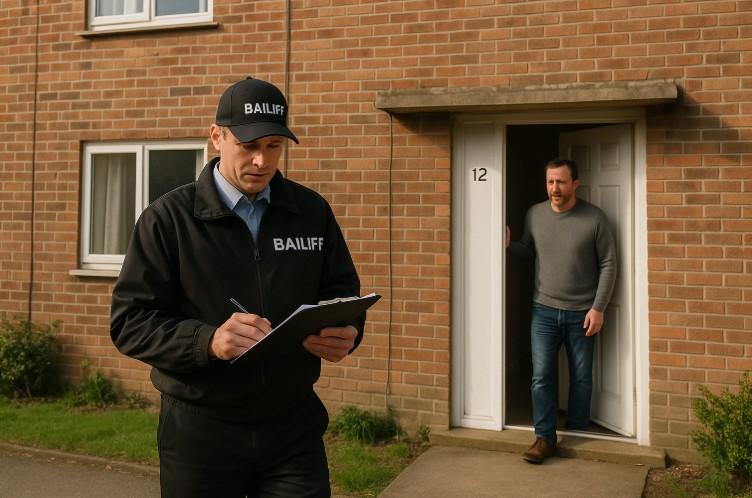
If you’re in debt and facing the possibility of a bailiff visit, it’s natural to wonder what happens if you don’t own anything valuable. Many people assume that if you have nothing, bailiffs can’t do much, but the truth is more complex. In the UK, bailiffs (officially known as enforcement agents) have legal authority in certain situations to recover unpaid debts.
However, there are strict rules they must follow, and there are protections in place for people with little or no assets. This blog explores what really happens if a bailiff shows up and you have nothing for them to take, your rights, what items are protected, and what you can do to avoid legal complications. Whether you’re dealing with council tax debt or unpaid fines, understanding your options is essential.
Who Are Bailiffs and Why Might They Visit You?
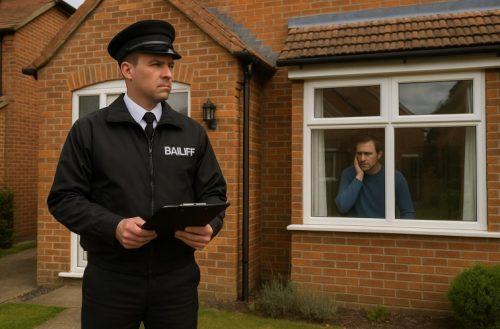
Bailiffs, also known as enforcement agents, are individuals authorised to collect certain types of debts. They act on behalf of creditors and can recover debts through legal processes, including removing and selling your possessions.
There are several types of bailiffs in the UK, including certificated enforcement agents, county court bailiffs, high court enforcement officers, and civilian enforcement officers who deal with magistrates’ court fines.
You might receive a visit from a bailiff if you owe money for council tax arrears, parking fines, court judgments, child maintenance, or income tax.
Typically, bailiff visits occur after you’ve ignored several letters requesting payment. The creditor can then apply to the court for a warrant of control, which gives the bailiff legal permission to recover the debt.
It’s worth noting that a bailiff’s authority varies depending on the type of debt they’re collecting. In many cases, you can stop bailiff action by paying your debt or agreeing a payment plan before they arrive. Bailiffs must also provide at least 7 days’ notice before their first visit, unless they have a court warrant stating otherwise.
What Should You Do If You’re Expecting Bailiffs?
If you’re expecting a bailiff, it’s crucial to stay calm and informed. You are not required by law to let a bailiff into your home, especially during their first visit. In most cases, you should keep your doors closed and ask them to pass identification through the letterbox or show it through a window.
Before they can visit, bailiffs must send you a notice of enforcement. This letter will explain the debt, how much you owe, and give you at least 7 days’ notice. During this time, you can avoid further action by paying the full amount or contacting the bailiff to negotiate a repayment plan.
Make sure you check the bailiff’s identity before engaging. Ask for their badge or enforcement certificate, the name of the company they work for, and a breakdown of your debt. You can verify their credentials using the government’s certificated bailiffs register.
If you’re vulnerable (for example, if you have mental health issues or are a single parent), inform the bailiff immediately, as this may impact how they proceed.
Can Bailiffs Enter Your Home If You Have Nothing?

Bailiffs cannot simply walk into your home under all circumstances. There are specific legal rules around entry and what they can do, even if you don’t have any belongings of value.
Rules for Peaceful Entry
Bailiffs are only allowed to enter your home through peaceful means, meaning you must open the door and allow them in voluntarily. They cannot push past you or force their way through a door.
They also can’t enter if only children under 16 or vulnerable individuals are present. They can only enter your property between 6am and 9pm unless collecting criminal fines.
Once inside, if you let them in peacefully, they can make a list of items they intend to take under a controlled goods agreement. If you don’t stick to a repayment plan after signing this, they can return and remove those items.
When They Can and Can’t Force Entry?
Bailiffs cannot force entry for most types of debt such as unpaid council tax or credit card bills. However, if they’re collecting unpaid criminal fines or HMRC debts, and have previously gained peaceful entry, they may return with a locksmith to force entry.
They must also have a warrant that specifically allows this. You have the right to ask them to show the warrant and prove their authority before they take any action.
Situations Where They May Enter Without You Present
Bailiffs can enter if a door or window is left open, or if someone over 16 lets them in. This is called peaceful entry. If no one is home and the property is locked, they cannot legally enter unless a court has specifically authorised it. If you’re worried, secure your property by locking all doors and windows and instruct others not to open the door to them.
What Items Can Bailiffs Take?
Even if you do let a bailiff into your home, there are clear limits to what they can remove. Bailiffs typically seek valuable items that can be easily sold to recover the debt, such as TVs, laptops, jewellery, or vehicles. However, they cannot take anything essential for daily living or work.
They are not allowed to take:
- Basic household items such as beds, cookers, fridges, or tables
- Tools of your trade (up to £1,350 in value)
- Items that belong to someone else (e.g., your child’s computer or your partner’s phone)
- Vehicles with a valid Blue Badge or those essential for work under a certain value
- Goods purchased on hire purchase or conditional sale agreements, unless fully paid off
If a bailiff mistakenly lists third-party goods, you must provide evidence of ownership (such as receipts or credit card statements) to prevent them from being removed.
What Happens If Bailiffs Find Nothing of Value?

Sometimes, a bailiff will visit your home only to discover that you have nothing worth seizing. In such cases, there are still several outcomes to be aware of, even if they leave empty-handed.
Fees You May Still Be Charged
Regardless of whether they take anything or not, bailiffs can still charge fees. For instance, the initial compliance stage fee is typically £75. If they physically visit your home, this adds an enforcement fee of around £235. These fees will be added to your outstanding debt and will still need to be paid.
Possibility of Debt Being Sent Back to the Creditor
If bailiffs are unable to recover your debt or seize any items, they may return the warrant to the creditor. This doesn’t cancel the debt, the creditor may then choose to pursue other methods, such as court claims, attachment of earnings, or even bankruptcy applications in extreme cases.
Risk of Further Legal Action (Bankruptcy Orders, CCJs)
The fact that bailiffs couldn’t take anything doesn’t stop legal action. You could face a County Court Judgment (CCJ) or a bankruptcy order, depending on the amount owed and the type of creditor.
These actions carry long-term credit implications and can severely affect your financial situation. It’s vital to act early by contacting the creditor or seeking debt advice. Ignoring the situation will only increase the costs and legal pressure you’re under.
Can Bailiffs Take Items From Outside Your Home?
Bailiffs are legally allowed to seize goods from outside your property if they are clearly yours and accessible. This typically includes vehicles parked on your driveway or garden tools left in plain view.
However, they cannot:
- Take a vehicle that’s used by a disabled person and has a valid Blue Badge
- Remove vehicles parked on private land not owned by you (such as a neighbour’s driveway)
- Take cars still under finance or logbook loan agreements, unless fully paid off
- Take essential tools stored in a garage or shed that are needed for your trade, up to £1,350 in value
To avoid having items seized from outside, ensure that valuables are stored securely and out of sight. If your car is at risk, you may consider parking it a few streets away or in a secure garage. Bailiffs cannot lawfully seize anything that doesn’t belong to you or that’s essential for work or daily living.
What Are Your Rights When Bailiffs Visit?

When bailiffs arrive, knowing your rights can prevent you from being mistreated or taken advantage of. First and foremost, you are not legally obligated to let them into your home for most types of debt.
You have the right to:
- Ask for their ID, badge, and proof of the debt
- See a copy of the court warrant or writ of control
- Refuse entry by keeping doors and windows locked
- Ask them to leave if they show up outside legal visiting hours (6 am–9 pm)
- Get a receipt if you make any payment to them
If you’re classed as vulnerable, due to health, disability, age, or mental health conditions, bailiffs are required to treat you differently and may not be allowed to take enforcement action without assessment. If you feel your rights were violated, keep a record of the visit and consider lodging a formal complaint.
How Can You Stop Bailiff Action?
The best way to stop bailiff action is by acting before the situation escalates. As soon as you receive a notice of enforcement, take steps to resolve the issue.
You can:
- Pay the debt in full, including any fees
- Negotiate a payment plan with the bailiff
- Contact the creditor to propose a direct arrangement
- Seek debt advice from organisations like Citizens Advice
- Check if you qualify as a vulnerable person, which may pause enforcement action
Communicating early can avoid visits and extra costs. You may also ask the bailiff company to return the case to the creditor, especially if you’re struggling financially or fall into a vulnerable category. Remember, avoidance makes things worse, proactivity gives you more control over the situation.
How to Complain If Bailiffs Break the Rules?

If you believe a bailiff has acted unfairly, broken the law, or taken something they shouldn’t, you are entitled to make a formal complaint. You should first complain to the organisation the bailiff works for. If they’re collecting council tax, contact the local council. If collecting fines, you may need to contact the court or creditor directly.
If the issue is not resolved, escalate your complaint to:
- Civil Enforcement Association (CIVEA): civea.co.uk
- High Court Enforcement Officers Association (HCEOA): hceoa.org.uk
- Local Government and Social Care Ombudsman (for council-related debts): lgo.org.uk
- Ministry of Justice for complaints about high court enforcement officers
For court bailiffs or civilian enforcement officers, contact the court they operate from. If necessary, you can also use form EAC2 to ask the court to reconsider the bailiff’s certification. Keep copies of letters, receipts, and photos to support your complaint. Most organisations must respond within 10 working days.
Conclusion
Dealing with bailiffs is never pleasant, especially if you have no valuable possessions for them to take. While you might assume this ends the matter, it’s often just the beginning of further legal actions or added fees. Bailiffs must operate within strict legal boundaries, and you have rights that protect your essential belongings and living conditions.
By understanding what they can and cannot do, you can act confidently, protect your home, and reduce the risk of escalation. Don’t ignore bailiff letters, seek help early, communicate with creditors, and make use of free debt advice services available in the UK.
FAQs
Can bailiffs take my car if I need it for work?
Only if it’s worth over £1,350 and not essential. Vehicles used for work under this value are protected.
What happens if I never answer the door to bailiffs?
They can’t force entry unless collecting criminal or HMRC debts, but may keep adding fees and return later.
Can bailiffs take items that belong to my children?
No, bailiffs cannot take goods that clearly belong to someone else, including your child’s property.
Will bailiffs keep coming back if I have nothing?
They may try again, but usually return the case to the creditor if they can’t recover anything.
Can bailiffs take things on finance agreements?
Items under hire purchase or conditional sale agreements usually can’t be taken if they’re not fully paid off.
Are bailiffs allowed to visit me at work?
Generally, no. Bailiffs are expected to visit your home unless a specific court order allows workplace contact.
What organisations can help me deal with bailiffs?
You can get help from Citizens Advice, StepChange, National Debtline, and MoneyHelper.