Have you ever wondered what county Salford is in? Is it part of Greater Manchester, or does it still have ties to Lancashire? Salford’s identity has evolved over the years, making it a city with a rich history and cultural significance.
Historically, Salford was part of Lancashire, playing a key role in industrial growth and textile production. However, in 1974, a major local government reorganisation placed Salford within Greater Manchester, altering its administrative status. Despite this change, many still associate the city with its Lancashire roots.
In this article, we’ll explore Salford’s location, historical background, key facts, and major attractions. Whether you’re curious about its past or its present-day status, this guide provides a comprehensive look at Salford’s role in the UK today.
Where is Salford Located?
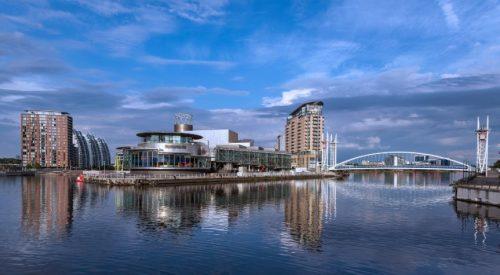
Salford is a city and metropolitan borough in North West England, forming part of Greater Manchester. It lies on the western bank of the River Irwell, which acts as a natural boundary between Salford and the neighbouring city of Manchester. Despite their proximity, Salford is a separate entity with its own city status, governance, and identity.
The city covers an area of approximately 8.1 square miles (21 km²) and includes several key districts such as Eccles, Pendlebury, Swinton, Walkden, and Irlam. Salford is strategically positioned with excellent transport links, including the M602 motorway, major railway connections, and proximity to Manchester city centre.
Historically, Salford was part of Lancashire but became part of Greater Manchester in 1974 during a nationwide reorganisation of local government. Today, it remains an integral part of the Greater Manchester urban area while retaining its distinct cultural and historical significance.
Salford: Location and Key Details
Salford is a city and metropolitan borough in Greater Manchester, North West England. It lies immediately west of Manchester, separated by the River Irwell, and is part of the wider Greater Manchester Urban Area.
Historically, Salford was part of Lancashire until the 1974 local government reorganisation. Today, it is a thriving city known for its cultural landmarks, MediaCityUK, and strong transport links. Below are key details about Salford’s location, geography, and administrative status.
| Feature | Details |
| Location | Greater Manchester, North West England |
| Area | 8.1 sq mi (21 km²) (city), 37 sq mi (97 km²) (borough) |
| Population | 129,794 (City – 2021 Census), 250,000+ (Borough) |
| Population Density | 4,990/km² (12,920/sq mi) (city) |
| OS Grid Reference | SJ805985 |
| Latitude | 53.4830° N |
| Longitude | 2.2931° W |
| Easting | 380500 |
| Northing | 398500 |
| Metropolitan Borough | City of Salford |
| Metropolitan County | Greater Manchester |
| Region | North West England |
| Country | England |
| Sovereign State | United Kingdom |
| Post Town | Salford |
| Postcode District | M3, M5–M7, M50 |
| Dialling Code | 0161 |
| Police Force | Greater Manchester Police |
| Fire Service | Greater Manchester Fire & Rescue Service |
| Ambulance Service | North West Ambulance Service |
| UK Parliament Constituency | Salford |
With its strategic location, strong transport infrastructure, and growing economy, Salford continues to be an integral part of Greater Manchester.
The city’s blend of history, modern development, and connectivity makes it a significant hub for business, culture, and education in the North West of England.
What County is Salford in Today?
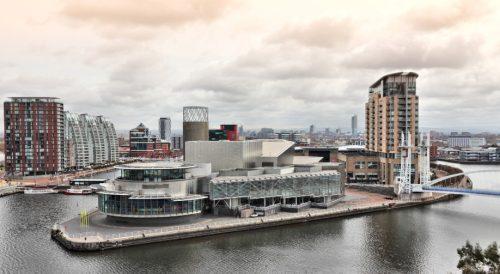
Salford is part of the metropolitan county of Greater Manchester, but historically, it was in Lancashire. The city was once the administrative centre of the Salford Hundred, a division of Lancashire used for legal and military purposes.
This connection to Lancashire remained until 1974, when the UK government restructured local authorities, placing Salford under Greater Manchester.
Today, Salford operates as a metropolitan borough within Greater Manchester, with its own local council responsible for governing the city.
Despite the administrative shift, many still associate Salford with Lancashire due to its historic ties. However, politically and geographically, it is now fully integrated into Greater Manchester.
The change has allowed Salford to benefit from Manchester’s economic growth while maintaining its own distinct identity. The city continues to develop as a hub for media, education, and culture, making it an important part of the Greater Manchester region.
Where is Salford on the UK Map?
Salford is located in North West England, forming part of the Greater Manchester metropolitan county. It lies immediately west of Manchester, separated by the River Irwell, and is approximately:
- 164 miles (264 km) northwest of London
- 35 miles (56 km) east of Liverpool
- 30 miles (48 km) south of Preston
- 40 miles (64 km) west of Leeds
Salford covers an area of 8.1 square miles (21 km²) and includes districts such as Eccles, Pendlebury, Swinton, Walkden, and Irlam.
It is well-connected via the M602 motorway, national railway links, and Manchester Airport (9 miles away), making it easily accessible from across the UK.
What is the History of Salford?
Salford’s history dates back to Neolithic times, with early settlements found in Kersal Moor. By the Anglo-Saxon period, it became an important area known as Sealhford, meaning “ford by the willows.” During the medieval period, it was the centre of the Hundred of Salford, a significant administrative division of Lancashire.
In 1230, Salford was granted a market charter, making it an important trade centre. The Industrial Revolution transformed it into a powerhouse for cotton textiles, engineering, and coal mining. The Bridgewater Canal (1761) and Manchester Ship Canal (1894) helped boost trade and industry, turning Salford into a major port city.
The 20th century saw economic decline as traditional industries faded, leading to slum clearances and regeneration projects. Today, Salford is undergoing rapid transformation, with MediaCityUK, cultural landmarks, and modern developments shaping its future while preserving its rich history.
What Are the Key Facts About Salford?
Salford is a diverse and historically rich city in Greater Manchester, with a strong industrial heritage and a rapidly developing economy. Here are some key facts about Salford:
- Population: According to the 2021 Census, Salford had a population of 129,794, while the wider City of Salford metropolitan borough had over 250,000 residents.
- Size & Location: The city covers 8.1 square miles (21 km²) and is located west of Manchester, separated by the River Irwell.
- Economic Growth: Once dominated by textile mills and coal mining, Salford is now home to MediaCityUK, hosting major companies like BBC North, ITV, and Salford University.
- Cultural Landmarks: Salford boasts The Lowry, Ordsall Hall, Salford Cathedral, and the Salford Quays waterfront.
- Education & Innovation: The University of Salford, founded in 1896, specialises in science, engineering, and media studies.
- Regeneration & Development: Over the past two decades, Salford has seen major investments, including housing projects, commercial developments, and transport improvements.
Salford has transformed from an industrial centre to a modern city with a booming digital and creative economy, while still preserving its historical roots.
Was Salford Ever Part of Lancashire?
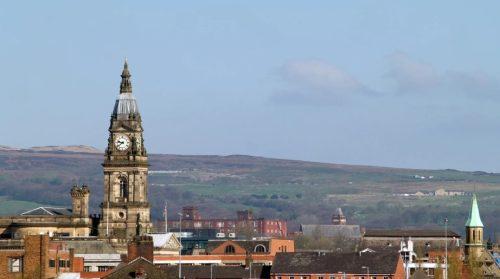
Yes, Salford was historically part of Lancashire. Its origins within the county date back centuries, as it was a key part of the Hundred of Salford, a large administrative area within Lancashire. This meant Salford had local governance separate from nearby Manchester, despite their geographical closeness.
Salford’s connection to Lancashire was deeply rooted in its economy, culture, and local governance. The industrial revolution saw Salford emerge as a major centre for textile production, much like other Lancashire towns. This strengthened its identity within the county.
However, in 1974, government reforms led to the formation of Greater Manchester, absorbing Salford into the new metropolitan county. This shift was mainly administrative, but to this day, many residents and historians still acknowledge Salford’s Lancashire heritage, as it played a crucial role in the county’s industrial success.
How Did Salford Become a City?
Salford was granted city status in 1926, recognising its economic importance and industrial contribution to the UK. Before that, Salford was an important market town and later a borough with a strong presence in textile production, engineering, and coal mining.
Key Events Leading to City Status:
- 1230: Salford was granted a market charter, establishing it as a key trade centre.
- 19th Century: Salford became a major industrial hub, with cotton mills, docks, and engineering works boosting its economy.
- 1853: Salford became a municipal borough, gaining local governance powers.
- 1894: The Manchester Ship Canal opened, turning Salford into an inland port, further increasing its importance.
- 1926: Salford was officially granted city status by King George V, acknowledging its economic significance and industrial achievements.
However, despite gaining city status, Salford never had its own cathedral until Salford Cathedral (Roman Catholic) was designated in 1852.
Over time, Salford expanded, and today, it is a modern metropolitan borough with strong links to Greater Manchester.
What is the Difference Between Salford and Manchester?
Although Salford and Manchester are neighbouring cities, they are separate entities with distinct histories, governance, and identities. The River Irwell serves as the physical boundary between them, but their differences go beyond geography.
- Governance: Manchester and Salford have independent city councils. Salford is part of Greater Manchester but maintains its own administration, mayor, and local policies.
- History: Manchester developed as a major industrial and commercial centre, while Salford was historically a textile production hub and part of Lancashire’s Salford Hundred.
- City Status: Salford was granted city status in 1926, making it an official city distinct from Manchester.
- Culture & Identity: Manchester is widely known for its football clubs and music scene, whereas Salford has gained recognition for MediaCityUK, The Lowry, and its historic industrial significance.
Despite these differences, both cities share a strong economic and cultural connection, making them key parts of Greater Manchester’s metropolitan area.
What Are the Main Attractions in Salford?
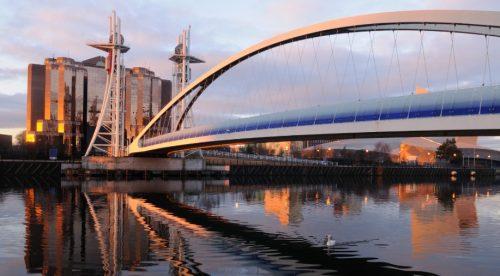
Salford is home to a mix of historic sites, cultural landmarks, and modern attractions, making it a popular destination for visitors and residents alike.
Top Attractions in Salford:
- MediaCityUK: One of the UK’s most important media hubs, housing BBC North, ITV, and over 250 digital and creative companies.
- The Lowry: A renowned arts and theatre complex, featuring exhibitions of L.S. Lowry’s famous paintings, live performances, and events.
- Salford Quays: A transformed docklands area featuring restaurants, bars, and cultural venues, including The Imperial War Museum North.
- Ordsall Hall: A historic Tudor mansion dating back to 1350, showcasing Salford’s rich medieval history.
- Salford Cathedral: The Roman Catholic cathedral, built in 1848, serves as the spiritual centre of the city.
- Peel Park: One of the first public parks in England, opened in 1846, offering green space and riverside views.
- Clifton Country Park: A nature reserve with walking trails, woodlands, and a lake, perfect for outdoor activities.
Salford continues to attract tourists, students, and businesses due to its blend of history, culture, and modern development.
What Are the Nearest Towns to Salford?
Salford is surrounded by several historic and modern towns within Greater Manchester, each contributing to the region’s economy, transport network, and community life.
These towns have rich industrial histories, evolving into residential, commercial, and commuter hubs. Well-connected by roads, railways, and Manchester’s Metrolink tram system, they provide affordable housing, employment opportunities, and cultural attractions.
Nearest Towns to Salford:
1. Eccles (2 miles west)
Eccles is a historic town best known for its famous Eccles cakes, a traditional sweet pastry filled with spiced currants. The town played a crucial role in the Industrial Revolution, benefiting from its proximity to the Manchester Ship Canal and the Bridgewater Canal.
Today, Eccles has excellent transport links, including a Metrolink tram stop and Eccles railway station, connecting it directly to Manchester city centre and surrounding areas.
The town features a mix of Victorian architecture, modern shopping areas, and parks, making it a desirable place to live.
2. Swinton (3 miles northwest)
Swinton is the administrative centre of Salford City Council, housing important government offices, schools, and businesses. Historically, Swinton was known for its coal mining and brickmaking industries, which fueled the region’s economic growth.
The town has transformed into a residential and commercial hub, with shopping centres, restaurants, and leisure facilities.
It is well-connected by bus routes and Swinton railway station, offering quick access to Manchester and Bolton. Its green spaces, schools, and suburban charm make it a popular choice for families and professionals.
3. Pendlebury (4 miles northwest)
Pendlebury was once a thriving coal-mining town, contributing significantly to the industrial economy of Greater Manchester. It was home to Agecroft Colliery, a major coal mine that operated until 1991.
Today, Pendlebury has transformed into a quiet suburban area, with a mix of traditional terraced houses and modern developments.
The town has a strong community atmosphere, with local shops, schools, and parks providing a welcoming environment for families. Its location near Swinton and Walkden makes it an ideal place for commuters working in Manchester and Salford.
4. Walkden (5 miles northwest)
Walkden is a growing town with a thriving retail and business sector, making it one of Salford’s key suburban centres. It was historically known for coal mining and textiles, but today, it boasts modern shopping centres, supermarkets, and leisure facilities.
The town is home to Ellesmere Centre, a major retail hub with high-street stores, the best restaurants, and entertainment venues. Walkden railway station offers frequent trains to Manchester, Wigan, and Bolton, making it an attractive location for commuters.
Its good schools, parks, and healthcare facilities make it a desirable place for families and young professionals.
5. Irlam (7 miles southwest)
Irlam is a former industrial town located near the Manchester Ship Canal, historically playing a key role in manufacturing, steelworks, and cargo transport. The closure of its industries led to economic decline, but recent regeneration efforts have transformed it into a modern commuter hub.
With affordable housing, new business parks, and improved transport links, Irlam has become an attractive location for working professionals and families.
Irlam railway station provides direct trains to Manchester, Warrington, and Liverpool, making it well-connected for travel. The town also features green spaces, sports facilities, and a strong sense of community, offering a balanced lifestyle.
These neighboring towns each play a vital role in Salford’s economy and daily life, offering housing, employment, education, and transport connections.
Whether for work, leisure, or residence, they provide diverse opportunities while maintaining strong links to Manchester and Salford’s urban core.
What Are the Nearest Cities to Salford?
Salford is strategically located in North West England, providing excellent connectivity to major cities across the UK. With well-developed motorways, rail links, and tram services, these cities are easily accessible for business, education, and leisure travel.
The proximity of these urban centres enhances economic opportunities, cultural exchange, and lifestyle choices for Salford residents and businesses.
Nearest Cities to Salford:
1. Manchester (2 miles east)
Manchester is one of the UK’s largest and most influential cities, known for its finance, technology, and creative industries. It is home to two world-famous football clubs, Manchester United and Manchester City, as well as a thriving music and cultural scene.
The city is a global centre for higher education, with institutions like the University of Manchester and Manchester Metropolitan University.
With major transport hubs, shopping districts, and entertainment venues, Manchester serves as the economic powerhouse of North West England.
2. Liverpool (35 miles west)
Liverpool is a UNESCO World Heritage city with a strong maritime history and cultural legacy. Best known as the birthplace of The Beatles, the city attracts millions of visitors each year to its music venues, museums, and waterfront attractions.
Liverpool is also home to two Premier League football clubs, Liverpool FC and Everton FC, as well as major sporting events. The city’s regenerated docks, vibrant nightlife, and shopping districts make it one of the most dynamic places to visit in the UK.
3. Preston (30 miles north)
Preston is a historic city with a fast-growing economy, playing a key role in Lancashire’s business and education sectors. It is home to the University of Central Lancashire (UCLan), one of the UK’s largest universities, attracting students from around the world.
The city has excellent transport links, with Preston railway station being a major stop on the West Coast Main Line, connecting it to Manchester, Liverpool, and London. Preston’s green spaces, historic landmarks, and strong employment market make it a desirable place to live and work.
4. Leeds (40 miles northeast)
Leeds is a thriving financial and commercial centre, often referred to as the financial capital of the North. The city boasts a strong economy, major shopping districts, and a diverse cultural scene, making it a prime destination for both businesses and tourists.
Home to Leeds University and Leeds Beckett University, it is a major hub for higher education and research. Leeds is also well-connected by rail and road networks, offering direct access to Manchester, London, and other key UK cities.
5. Sheffield (40 miles southeast)
Sheffield is a city with a rich industrial heritage, historically known for its steel production and engineering excellence. Today, it has transformed into a modern, green city, boasting large parks, outdoor activities, and eco-friendly developments.
Sheffield is home to two major universities, the University of Sheffield and Sheffield Hallam University, making it a leading centre for education and research. With a strong cultural and arts scene, Sheffield is famous for its music festivals, theatres, and independent businesses.
Salford’s proximity to these major cities makes it an ideal location for business, travel, and lifestyle opportunities. Whether commuting for work, attending university, or exploring cultural attractions, Salford residents benefit from fast transport links and access to diverse urban experiences. These connections strengthen Salford’s economic and social ties with the broader North West region and beyond.
What is the Economy of Salford Like?
Salford’s economy has shifted from industrial manufacturing to a modern, service-based economy, with technology, media, and business services playing a key role.
Past Economy (19th & 20th Century):
- Salford was historically a textile, coal mining, and engineering centre.
- The Manchester Ship Canal (1894) made it an important trading port, leading to industrial growth.
- The decline of heavy industry in the 20th century led to economic struggles and high unemployment.
Modern Economy (21st Century):
- Media & Digital Industries: MediaCityUK has created thousands of jobs in broadcasting, content creation, and tech start-ups.
- Education & Research: The University of Salford contributes to science, engineering, and business innovation.
- Construction & Development: Regeneration projects have created new residential and commercial spaces.
- Retail & Leisure: Shopping centres, entertainment venues, and the hospitality industry have grown significantly.
Key Employers in Salford:
- BBC North & ITV (MediaCityUK)
- University of Salford (Higher Education & Research)
- Peel Holdings (Property Development)
- Salford Royal NHS Foundation Trust (Healthcare)
With strong transport links, business investments, and a skilled workforce, Salford’s economy is now one of the fastest-growing in Greater Manchester.
How is Salford Connected to the Rest of the UK?
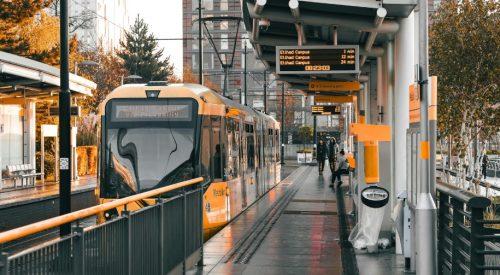
Salford benefits from excellent transport infrastructure, making it well-connected to Manchester, the rest of the UK, and international destinations.
1. Road & Motorways
- M602 Motorway: Directly links Salford to the M60 (Greater Manchester Ring Road) and M62, connecting to Liverpool, Leeds, and beyond.
- A6 & A57 Roads: Provide direct routes to Manchester city centre, Bolton, and surrounding areas.
2. Public Transport
- Trams (Metrolink): Salford is served by the Eccles & MediaCityUK Metrolink lines, providing fast connections to Manchester and Greater Manchester towns.
- Trains: Salford Central and Salford Crescent stations offer rail links to Manchester, Leeds, Liverpool, and London.
- Buses: A network of local and express bus services links Salford with surrounding areas.
3. Air Travel
- Manchester Airport (9 miles from Salford): The UK’s third-busiest airport, offering domestic and international flights.
Waterways & Canals:
- The Manchester Ship Canal historically made Salford a major inland port. Today, Salford Quays still hosts commercial and leisure boats.
With its multi-modal transport system, Salford remains highly accessible for businesses, commuters, and tourists.
Conclusion
Salford’s transformation from an industrial hub in Lancashire to a modern city in Greater Manchester highlights its dynamic history and economic evolution. While its historical roots lie in Lancashire, its present and future are closely linked with Greater Manchester’s growth and development.
Today, Salford is home to MediaCityUK, The Lowry, Salford Quays, and the University of Salford, attracting businesses, students, and tourists alike. Its transport links, cultural landmarks, and thriving economy make it an essential part of the North West of England.
Whether you view Salford as a Lancashire town with a historic legacy or as a modern city within Greater Manchester, its distinct identity remains strong. With ongoing regeneration and investment, Salford continues to shape its future while preserving its rich past.
FAQs
Is Salford a city or a town?
Salford is a city and metropolitan borough within Greater Manchester. It was granted city status in 1926 due to its industrial and economic significance.
Why is Salford not part of Manchester?
Salford and Manchester are separate cities with independent councils. Although they share close ties, Salford has its own governance, history, and cultural identity.
What is Salford famous for?
Salford is known for MediaCityUK, home to BBC North and ITV, as well as its industrial history, Salford Quays, and The Lowry arts centre.
When did Salford become part of Greater Manchester?
In 1974, the UK government reorganised local councils, moving Salford from Lancashire into the newly created Greater Manchester metropolitan county.
Is Salford a good place to live?
Salford offers affordable housing, excellent transport links, and cultural attractions. With ongoing regeneration, it has become an attractive place to live and work.
How far is Salford from Manchester?
Salford is immediately west of Manchester, separated by the River Irwell. The city centre is just 2 miles away, making commuting easy.
What is the population of Salford?
As of the 2021 Census, Salford has a population of 129,794, while the wider City of Salford metropolitan borough has over 250,000 residents.