Have you ever wondered what county Norwich is in, or why it holds such a prominent place in England’s historical and cultural landscape? What makes this city stand out among others in the East of England? Is Norwich simply a city, or does its role extend further into regional governance and identity?
These are just a few of the questions that arise when exploring one of the UK’s most unique urban centres. Known for its medieval architecture, vibrant arts scene, and academic institutions, Norwich continues to evolve while retaining its historic charm.
In this blog, we’ll uncover the true identity of Norwich, its geographical and administrative context, and the many factors that contribute to its county-level significance.
Where Exactly Is Norwich Located in the UK?
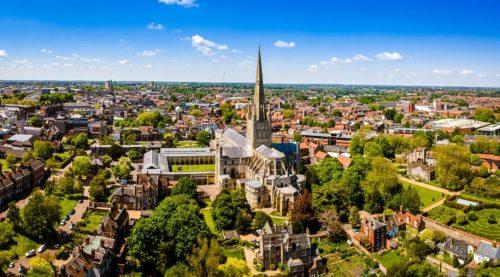
Positioned in the East of England, Norwich occupies a prominent location that blends urban vitality with surrounding rural character.
Set along the River Wensum, near its confluence with the River Yare, the city benefits from a landscape that has historically supported trade, transport, and settlement. Its setting provides natural beauty and accessibility to both inland and coastal routes.
Norwich is widely recognised as the traditional heart of East Anglia, a region that includes Norfolk, Suffolk, and parts of Cambridgeshire and Essex.
Its location places it within practical travel distance of Ipswich, Cambridge, Peterborough, and other urban centres, yet it remains distinct in identity and character.
This centrality, combined with historical significance and economic influence, makes Norwich a regional nucleus for governance, culture, and commerce in eastern England.
Key Location Facts:
- Distance from London: Approximately 100 miles (160 km) northeast
- Rivers: River Wensum & River Yare
- Region: East of England
- Traditional Region: East Anglia
This strategic positioning has helped shape Norwich’s identity as a thriving regional hub — but to truly understand its significance, we must explore its formal county affiliation and why that matters.
What County Is Norwich In and Why Is It Significant?
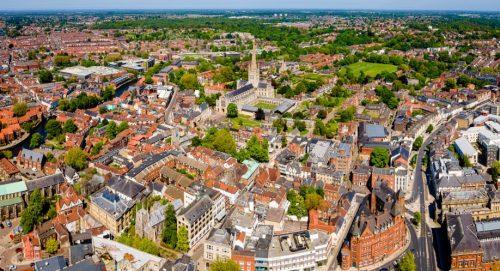
Norwich is located in the county of Norfolk, one of the most recognisable and historically rich counties in England. Norfolk is part of the East of England region, and Norwich serves as its administrative and cultural capital.
As a non-metropolitan district, Norwich has its own city council and governance structure, but remains under the broader umbrella of Norfolk County Council for certain county-wide services.
The significance of Norwich being in Norfolk extends beyond administration. The city’s central position in the county has made it a pivotal hub for trade, governance, culture, and education.
It houses the Norfolk County Council’s headquarters, the Norfolk and Norwich University Hospital, and is home to one of the most reputable UK institutions, the University of East Anglia (UEA).
Historically, Norwich was the second-largest city in England after London during the medieval period. Today, it continues to influence the identity of Norfolk as the region’s economic and historical core, supporting a strong local economy, a thriving arts scene, and regional transport links.
Why Norwich County Matters?
- Capital of Norfolk County
- Central hub for governance, healthcare, and education
- Serves as Norfolk’s largest and most influential urban centre
- Historical stronghold with deep medieval roots
- Hosts many of the county’s key institutions and services
Norwich’s position within Norfolk is not just administrative, it’s symbolic of the city’s leadership in shaping the county’s identity, services, and development.
To understand the depth of this role, it’s important to explore how Norwich defines itself, is it merely a city, or does it function with the influence of a county in its own right?
Norwich on the UK Map: Regional & National Placement
When viewed on the UK map, Norwich stands out for its eastern position, balancing rural charm with a strong urban presence. It sits away from the densely populated clusters of the Midlands and the North, yet this relative distance has helped preserve its independent character and regional influence.
Its location within the East of England makes it a gateway to the Norfolk Broads, while also linking it efficiently to nearby towns and cities.
Key road and rail connections offer direct routes to London, Ipswich, and Cambridge, making Norwich accessible despite its geographical isolation. Its coastal proximity also enhances its role in tourism, trade, and transport.
The city’s placement gives it a strategic advantage not just geographically, but economically and culturally, as it serves both as a destination and a hub for surrounding regions.
Is Norwich a City, a County, or Both?
Norwich is officially recognised as a city, not a county. It is situated within the county of Norfolk and operates as a non-metropolitan district with city status, which it has held since 1094.
This distinction can sometimes lead to confusion, as Norwich functions as the county town of Norfolk, meaning it hosts key administrative bodies and is the symbolic capital of the county, but it does not hold county-level authority itself.
The Norwich City Council governs the city as a district council, overseeing local services such as housing, planning, waste collection, and leisure. Meanwhile, Norfolk County Council manages county-wide services like education, transport, and social care.
Importantly, Norwich’s city status grants it ceremonial prestige and urban independence within Norfolk, but it does not equate to county-level autonomy.
Its role as both a cultural beacon and administrative heart within Norfolk often creates a dual perception as a standalone urban centre and the nerve centre of the wider county.
This administrative structure makes Norwich a city within a county, rather than both, which is key to understanding its governance and jurisdiction.
Norwich’s Geographical and Administrative Identity
Norwich is a historic and administrative city in the county of Norfolk, forming part of the East of England region. Geographically, it lies on the River Wensum, slightly north of where it meets the River Yare, offering scenic surroundings and easy access to the Norfolk Broads.
The city covers an urban area of 20.3 square miles (52.6 km²) and functions as the regional capital of East Anglia. Administratively, Norwich is classified as a non-metropolitan district council, managed by the Norwich City Council, which governs the city independently of the surrounding rural districts.
For county-level services, Norwich comes under the jurisdiction of Norfolk County Council, headquartered within the city itself. This dual structure ensures both local autonomy and broader county-wide coordination.
The city also serves as a parliamentary constituency, currently represented by Clive Lewis and Alice Macdonald, both Members of Parliament from the Labour Party. Norwich has its own police, fire, and ambulance services that form part of regional operations but are centred within the city boundaries.
Below is a comprehensive overview of Norwich’s geographical, political, and demographic identifiers:
Norwich: Geographical and Administrative Profile (2025)
| Attribute | Information |
| Coordinates | 52°37′43″N 01°17′34″E |
| Sovereign State | United Kingdom |
| Country | England |
| Region | East of England |
| County | Norfolk |
| City Status | Since 1094 |
| Founded | c. 43 AD (as Northwic) |
| Administrative HQ | City Hall, Norwich |
| Government Type | Non-metropolitan district council |
| Local Authority | Norwich City Council |
| County Governance | Norfolk County Council |
| MPs (2025) | Clive Lewis (Labour), Alice Macdonald (Labour) |
| Area (Urban) | 20.3 sq mi (52.6 km²) |
| 2025 Population (City) | 206,586 |
| Urban Population | 213,166 |
| Metro Population (TTWA) | 376,500 |
| Population Density | Approx. 10,000/sq mi (4,100/km²) |
| Demonym | Norvician |
| Postcode Prefix | NR |
| Area Code | 01603 |
| Vehicle Registration Prefixes | AO, AP, AR, AS, AT, AU |
| Major Railway Station | Norwich Station |
| Primary Airport | Norwich International Airport |
| Police Force | Norfolk Constabulary |
| Fire & Rescue Service | Norfolk Fire and Rescue Service |
| Ambulance Services | East of England Ambulance Service |
| Official Website | norwich.gov.uk |
This framework illustrates Norwich’s dual-functioning identity as a historic city with autonomous local governance and a pivotal role in county-level operations. Its administrative structure supports a growing population, a high density urban space, and a robust connection with regional institutions.
A Brief History of Norwich’s County and Governance
Norwich’s link to regional governance began in the Saxon period, when the early settlement of Northwic emerged along the River Wensum.
Following the Norman Conquest of 1066, Norwich rose in importance with the building of Norwich Castle and Norwich Cathedral, becoming a prominent centre for governance and religion in East Anglia.
The granting of a royal charter in 1158 laid the foundation for structured civic administration. Throughout the medieval and early modern periods, Norwich’s influence grew alongside its wealth, driven by the wool trade and immigration from Flanders.
By the 15th century, it was second only to London in population. As the city evolved, so did its role in the wider county, naturally emerging as Norfolk’s de facto capital due to its administrative relevance and geographic prominence.
What Makes Norwich the County Capital of Norfolk?
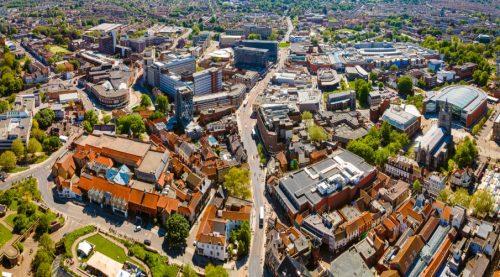
Norwich holds the title of county capital of Norfolk due to its historic, administrative, and cultural centrality. It is the seat of the Norfolk County Council, and hosts key government services and regional institutions.
Its central location, accessibility, and scale make it ideal for coordinating county-wide operations and delivering public services. What elevates Norwich beyond administrative function is its depth of infrastructure and influence.
It is home to the Norfolk and Norwich University Hospital, the University of East Anglia, and the headquarters of various regional services — including policing, health, and emergency response. Its historic core and civic buildings reflect its long-standing role in shaping county identity.
Norwich’s status is not just political but symbolic — it’s the cultural, economic, and institutional heart of Norfolk, serving both as a leader and as a representative of the county’s values and aspirations.
How Is Norwich Governed Today?
Norwich’s governance model is based on a two-tier system, combining Norwich City Council for local affairs and Norfolk County Council for broader regional responsibilities. The city council oversees urban-specific services such as housing, planning, waste collection, leisure, and community development.
The council is made up of 39 elected members across 13 wards, operating under a Leader and Cabinet system. County-wide services like education, major transport infrastructure, and social care are managed by Norfolk County Council, whose headquarters are located in Norwich.
In addition to its local councils, Norwich is also a parliamentary constituency, represented by two MPs (as of 2025): Clive Lewis and Alice Macdonald.
Essential public services such as law enforcement, fire protection, and ambulance response are administered through regional agencies but based in Norwich, ensuring operational efficiency and rapid service delivery for the wider county.
This model ensures that Norwich functions with autonomy over city matters while remaining fully integrated into Norfolk’s governance framework.
Top Things Norwich Is Known For
Norwich is a city rich in heritage, culture, and architectural beauty, offering a compelling mix of the historic and contemporary. Its reputation stems from a blend of landmark sites, a vibrant arts scene, and a unique medieval character preserved over centuries.
From soaring cathedrals and ancient castles to modern art centres and bustling marketplaces, Norwich delivers a diverse visitor experience.
The city centre alone features more medieval churches than any other city in Western Europe north of the Alps. Norwich also maintains a strong literary tradition, being England’s first UNESCO City of Literature, recognised in 2012. Its creative spirit is evident in its independent shops, galleries, and annual festivals.
Below are the most iconic places and experiences that make Norwich stand out on the UK cultural map.
1. Norwich Cathedral
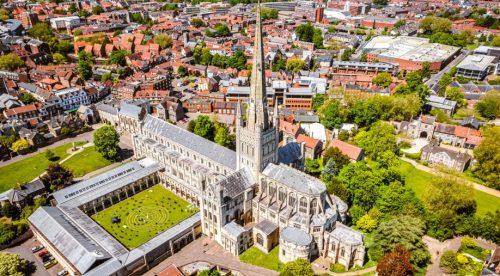
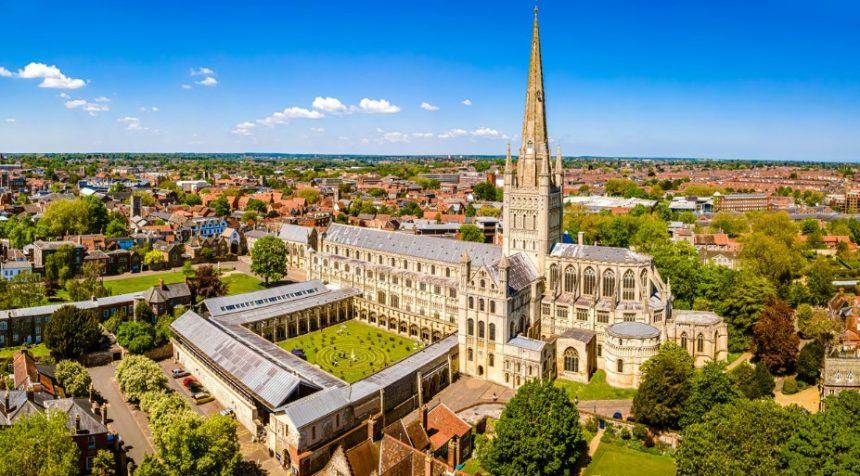
Standing at the heart of the city, Norwich Cathedral is a defining symbol of Norwich’s religious and architectural heritage. Built after the Norman Conquest, its construction began in 1096 and was completed in the 12th century.
The cathedral features a 315-foot spire, the second tallest in England, and houses the largest monastic cloisters in the country. The building reflects a remarkable blend of Romanesque and Gothic architecture, and its interior is adorned with medieval roof bosses, over 1,000 in total some of the finest surviving examples in Europe.
Norwich Cathedral remains an active place of worship and a major tourist attraction, drawing both pilgrims and history enthusiasts.
Set within peaceful grounds and surrounded by ancient buildings, including the Cathedral Close, it is also a centre for music, community events, and cultural programming.
2. Norwich Castle Museum & Art Gallery
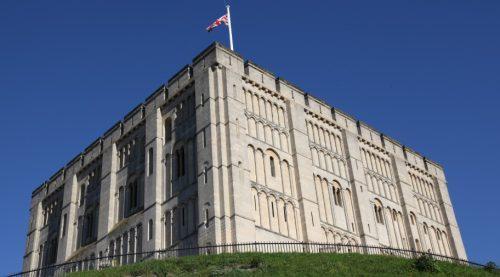
Perched atop a man-made mound, Norwich Castle is one of the finest remaining Norman keeps in England. Constructed under the reign of William the Conqueror in the 12th century, the castle was originally a royal palace but later served as a prison.
Today, it functions as the Norwich Castle Museum & Art Gallery, housing an extensive collection of fine art, archaeology, and natural history.
Inside, visitors can explore well-curated galleries, including exhibits dedicated to Boudica, the Iceni tribe, and the Norwich School of painters. The museum plays a central role in regional heritage education and offers interactive exhibits that appeal to families and school groups alike.
Ongoing renovations under the Norwich Castle Gateway to Medieval England project aim to restore parts of the keep and transform it into a state-of-the-art exhibition space, further cementing its place in UK heritage tourism.
3. Elm Hill & Historic Streets
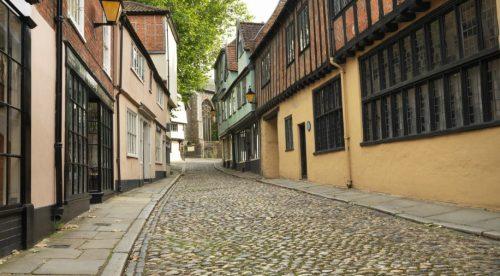
Elm Hill is perhaps the most picturesque and historically rich street in Norwich. Lined with Tudor buildings, cobbled paths, and artisan shops, this area offers a true glimpse into medieval Norwich.
Most of the existing buildings date back to the 15th and 16th centuries, preserved carefully through conservation efforts, even after a major fire in 1507.
The street’s name comes from the elm trees that once stood there, and today it features a blend of craft shops, tea rooms, and antique bookstores, making it a favourite among both tourists and locals. Elm Hill has also appeared in several period dramas and films due to its authentic setting.
Walking through Elm Hill is like stepping back in time. It remains one of the best-preserved medieval streets in England and plays a significant role in Norwich’s identity as a heritage city.
4. The University of East Anglia (UEA)
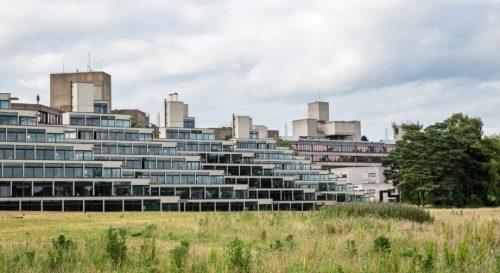
The University of East Anglia (UEA) is one of the UK’s leading universities, established in 1963 and located on the western edge of Norwich. Known for its modernist architecture and strong academic reputation, UEA is a research-intensive institution and a member of the World Top 200 universities.
It offers a range of undergraduate and postgraduate programmes across disciplines such as environmental sciences, literature, health, business, and political studies.
UEA’s campus is set in lush parkland, featuring a central lake and cutting-edge facilities including the Sainsbury Centre for Visual Arts, an iconic building designed by Norman Foster.
The university is also home to the Centre of East Anglian Studies, which preserves and explores the regional heritage of Norfolk and surrounding counties.
UEA plays a major role in the local economy and cultural life, contributing significantly to Norwich’s status as an educational and intellectual hub.
5. Norwich Market
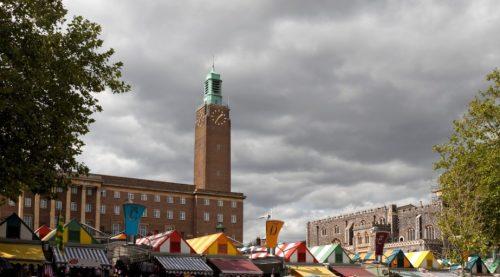
Norwich Market is one of the oldest and largest open-air markets in the UK, continuously trading for over 900 years. Situated in the heart of the city, just below Norwich City Hall and near the Guildhall, the market features more than 200 colourful stalls, offering a dynamic mix of food, clothing, crafts, and household goods.
This market reflects the character and diversity of Norwich itself modern, creative, and rooted in tradition. From gourmet street food and independent coffee vendors to vintage books and artisan crafts, it’s a true community space that caters to residents and visitors alike.
Many stalls have been family-run for generations, showcasing the resilience of Norwich’s small businesses. Beyond commerce, Norwich Market contributes to the city’s cultural identity, offering a space for interaction, local produce, and traditional values in a modern city setting.
6. The Broads National Park Access

One of Norwich’s most distinctive features is its close proximity to The Broads National Park, a unique network of navigable rivers and lakes (broads) that extend across Norfolk and Suffolk.
While not within the city boundary, the Broads are easily accessed from Norwich, making the city a launch point for rural tourism, boating, and wildlife exploration.
The park is Britain’s largest protected wetland and is home to over 25% of the UK’s rarest species, including the swallowtail butterfly, Norfolk hawker dragonfly, and bittern. Visitors can enjoy river cruises, kayaking, fishing, birdwatching, and cycling, all just a short journey from the city centre.
This access enhances Norwich’s appeal, balancing its urban vibrancy with nearby natural beauty. For locals and tourists, the Broads offer an escape into tranquil, water-rich landscapes, reinforcing Norwich’s reputation as a city that connects culture with countryside.
7. Carrow Road – Home of Norwich City FC
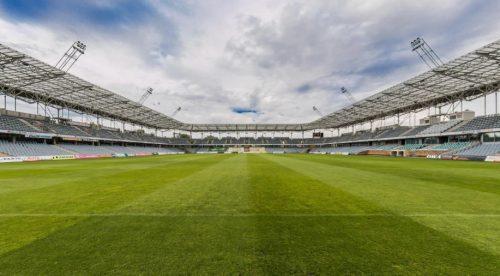
Carrow Road is the proud home of Norwich City Football Club (NCFC), affectionately known as “The Canaries.” Founded in 1902, the club has a loyal fanbase and a long-standing history in English football, frequently competing in the Championship and Premier League tiers.
The stadium is located close to the city centre, near the River Wensum, and has a capacity of over 27,000 spectators. Carrow Road is more than a sports venue, it’s a community symbol and a source of local pride.
Match days are city-wide events, bringing together residents and visitors in a shared experience that reflects the city’s strong identity. The stadium also hosts concerts, business events, and conferences, contributing to Norwich’s economy and cultural calendar.
This football club‘s presence adds vibrancy and unity to the city, reinforcing its place as a city with passion, pride, and local heritage.
Norwich Population in 2025: Growth & Demographics
Norwich’s population growth in recent years reflects more than just an increase in numbers, it signals a city undergoing transformation. The steady rise has been driven by a combination of educational migration, professional relocation, and urban development, positioning Norwich as one of the most appealing mid-sized cities in the East of England.
Its role as a university city, administrative capital, and regional employment hub has attracted a diverse range of residents, particularly young professionals and students.
This growth brings with it both opportunities and pressures. While it stimulates the local economy and enriches community life, it also intensifies demand for housing, infrastructure, and public services.
Norwich’s ability to accommodate this expanding population will depend on effective planning, inclusive policy-making, and long-term investment in sustainable urban development.
Norwich Population Insights (2025 Census Projection Table)
The following table presents a snapshot of Norwich’s 2025 population statistics, along with historical context and demographic indicators. It offers a clear view of how the city has evolved and where it stands today:
| Indicator | Value/Insight |
| 2025 City Population | 206,586 |
| Urban Population | 213,166 |
| Metropolitan (TTWA) Population | 376,500 |
| 2024–2025 Population Growth | +7,341 (0.73% increase) |
| 2001 Census Population | 173,870 |
| 2011 Census Population | 132,512 |
| Estimated 2017 Population | 143,000 |
| Population Density | Approx. 3,480/km² (urban), 10,000/sq mi (core) |
| Average Age | 37 years |
| Gender Ratio | 51% Female / 49% Male |
| Ethnic Majority | White British (approx. 84.8%) |
| Most Common Language | English (92.1%) |
These insights not only show consistent growth but also reflect Norwich’s status as a regional centre for migration, study, and work. The trend supports the city’s ongoing development strategies and regional influence.
Why Is Norwich Important in Norfolk’s Identity?
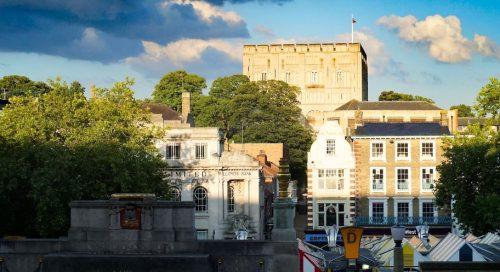
Norwich plays an essential role in shaping the cultural, economic, and political identity of Norfolk and the wider East Anglia region. As the county town, it is not only the administrative capital but also the centre for regional governance, higher education, healthcare, and commerce.
Its historical roots, dating back to Roman and Saxon settlements, have evolved into a city that blends tradition with forward-thinking development.
The city’s economic diversity, thriving university, and strong infrastructure make it a hub for rural-urban interaction. It offers services, employment, and cultural assets to a large hinterland, influencing everything from healthcare delivery to retail trends in smaller Norfolk towns and villages.
Norwich’s importance is multi-dimensional not just a place of government, but also a regional beacon for innovation, creativity, and quality of life.
1. Economic Strength
Norwich has transformed from a medieval trading centre to a modern, mixed-economy city. Once famed for its textile and shoe industries, today Norwich boasts a robust service-based economy with notable strengths in financial services, digital technology, education, public administration, and healthcare. Major employers include Aviva, Norfolk and Norwich University Hospital, UEA, and various regional government offices.
The city is also home to a growing number of tech start-ups and creative enterprises, often supported by local innovation hubs and UEA’s research facilities. Retail remains strong, with Chapelfield and Castle Quarter shopping centres attracting both residents and tourists.
Key sectors include:
- Financial Services (Aviva headquarters)
- Public Sector Employment
- Health & Social Care
- Creative Industries
- Tourism & Hospitality
Norwich’s economic resilience and diversification make it vital to Norfolk’s stability and future growth.
2. Cultural and Educational Influence
Norwich is often described as the cultural capital of the East of England. In 2012, it became the UK’s first UNESCO City of Literature, reflecting its long-standing literary tradition and strong publishing presence.
Home to writers like Julian of Norwich and institutions like the Writers’ Centre Norwich, the city nurtures both historical reverence and modern creativity.
The presence of the University of East Anglia (UEA) further boosts its cultural and intellectual footprint. UEA’s School of Literature, Drama and Creative Writing is internationally recognised and has produced renowned authors, including Ian McEwan and Kazuo Ishiguro.
Norwich supports an active arts scene through:
- Norwich Theatre Royal and Playhouse
- Norfolk & Norwich Festival
- Sainsbury Centre for Visual Arts
- Local galleries, museums, and performance venues
Educational and cultural initiatives contribute to Norwich’s reputation as a vibrant, inclusive, and forward-thinking city that celebrates both heritage and innovation.
3. Urban Growth & Development
Over the past two decades, Norwich has experienced steady urban growth, positioning itself as one of the UK’s most dynamic medium-sized cities.
The city has responded to population increases and economic diversification by investing in infrastructure, housing, public services, and sustainability projects.
Much of this growth is guided by the Greater Norwich Local Plan, which aims to ensure managed expansion while preserving green space and heritage.
Key developments include:
- Riverside regeneration projects combining residential, retail, and leisure spaces
- Modern housing estates in areas like Bowthorpe and Sprowston
- Expansion of the Norwich Research Park, a hub for bioscience and environmental innovation
- Ongoing transformation of Norwich Castle and the city’s medieval quarter
The city’s planners have focused on maintaining Norwich’s historic character while enhancing its role as a centre for innovation and sustainable living. The integration of public transport, cycling routes, and pedestrianised areas also reflects a shift toward people-focused urban design.
What Are the Nearest Towns and Villages to Norwich?
Norwich sits at the heart of a network of characterful towns and growing villages, each playing a unique role in supporting the city’s social and economic ecosystem.
These locations offer an attractive alternative to city living, especially for families, commuters, and retirees who seek proximity to Norwich’s resources without the pace of urban life. Here are some of the most prominent settlements near Norwich:
1. Wymondham – 11 miles southwest
Wymondham is a historic market town with roots stretching back to the Anglo-Saxon period. It is best known for the impressive Wymondham Abbey, a 12th-century church that remains a central landmark.
The town has a thriving community, with independent shops, cafés, and schools, making it ideal for families. Its direct rail link to Norwich and Cambridge makes it a popular base for commuters.
Recent housing developments have expanded the town’s population, supporting its local economy and infrastructure.
2. Hellesdon – 3.5 miles northwest
Hellesdon functions as both a residential suburb and a self-contained community. It offers excellent access to Norwich International Airport, and is well-served by primary and secondary schools, public parks, and leisure centres.
Hellesdon is known for its peaceful atmosphere, and yet it’s only a 15-minute drive to the city centre. It has seen a rise in housing developments in recent years and continues to grow as a preferred suburb for professionals and retirees seeking tranquillity with accessibility.
3. Taverham – 6.5 miles west
Taverham is a leafy village known for its family-friendly reputation and proximity to green space. It offers easy access to the A1067, connecting residents to both Norwich and the countryside of north Norfolk.
The village includes several primary schools, garden centres, nature trails, and small business hubs. With a blend of modern housing and countryside charm, Taverham attracts young families and older residents alike. Its closeness to the River Wensum also provides scenic walking and kayaking opportunities.
4. Costessey – 5.5 miles west
Costessey (pronounced ‘Cossey’) is a large suburb and civil parish that’s been expanding rapidly due to high housing demand. It’s home to major shopping destinations like Longwater Retail Park, as well as newer residential areas such as Queens Hills.
The area offers good school catchments, healthcare services, and public transport links into Norwich. Costessey blends older village elements, such as Costessey Hall and traditional pubs, with modern development, making it popular with first-time buyers and growing families.
5. Acle – 13 miles east
Often referred to as the “Gateway to the Broads”, Acle lies on the River Bure and serves as a key entry point to the Broads National Park. It’s a small market town with a rich agricultural heritage and is well-connected to Norwich and Great Yarmouth via the A47 and rail services.
Acle offers riverside walks, boat hire, local shops, and pubs, making it an appealing option for those who enjoy a rural setting with quick access to urban amenities. Its weekly market and tight-knit community lend it a charming village atmosphere.
What Are the Cities That Are Close to Norwich?
Though not part of a dense urban corridor, Norwich shares economic, academic, and cultural exchanges with several prominent cities within a 50–120 mile radius.
These urban centres offer Norwich regional competition, strategic partnerships, and essential access to national infrastructure and expertise. Here’s a closer look at the cities that help shape Norwich’s regional relationships:
1. Ipswich – 44 miles south
Ipswich is the county town of Suffolk and sits along the River Orwell. It has a population of over 130,000 and is an important regional centre for port trade, insurance services, and IT industries.
Like Norwich, Ipswich also has a rich Anglo-Saxon history and a vibrant cultural scene, with attractions such as Christchurch Mansion and Ipswich Waterfront.
The A140 and rail line link the two cities efficiently, encouraging professional mobility, collaboration in education and arts, and economic interdependence.
2. Cambridge – 64 miles southwest
Famed for the University of Cambridge, this city is one of the most influential academic and innovation hubs in the world. Cambridge’s biotech sector, global research institutions, and start-up culture attract professionals from across East Anglia, including Norwich.
The A11 dual carriageway directly connects Norwich to Cambridge, facilitating both commuting and regional trade. UEA and Cambridge University often collaborate on research projects, especially in the fields of climate science, medicine, and artificial intelligence.
3. Peterborough – 77 miles west
Peterborough is a rapidly growing city with a strong industrial heritage and logistics infrastructure. It’s a central node for distribution centres, advanced manufacturing, and railway services.
Norwich and Peterborough are indirectly connected through A47 and A11 routes, supporting freight and commuting links. Peterborough’s multicultural population and growing economy offer opportunities for regional workforce exchanges, particularly in retail, construction, and public service sectors.
4. Lincoln – 109 miles northwest
Lincoln is another historic cathedral city, sharing similarities with Norwich in scale, architectural heritage, and economic structure. While the cities are not directly linked by fast rail, they connect through A17 and A47 road networks.
Lincoln has grown as a centre for agriculture, defence, and higher education, with the University of Lincoln playing a major role. The two cities are often compared in terms of heritage tourism, regional planning models, and population management.
5. London – 118 miles southwest
Despite the distance, Norwich maintains a direct intercity rail connection with London Liverpool Street, with journey times averaging 1 hour 50 minutes. Many Norwich-based professionals commute or frequently travel to the capital for business.
London also attracts many students and graduates from Norwich, particularly from UEA. The capital’s vast influence in finance, media, and policymaking often impacts strategic decisions in Norwich’s local economy and urban planning.
Together, these nearby urban centres offer Norwich both competitive benchmarks and collaborative opportunities, helping to define its place within the broader East of England and beyond.
How Well Connected Is Norwich?
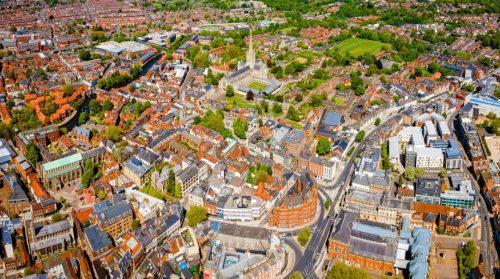
Despite its relative distance from the UK’s major metropolitan hubs, Norwich is well-integrated into regional and national transport networks, making it accessible by road, rail, air, and public transit.
The city serves as a transport nucleus for Norfolk and much of East Anglia, with several major routes radiating outward.
1. Road Network
Norwich is connected to the A47, which runs east to Great Yarmouth and west to King’s Lynn and Peterborough. Other significant routes include the A11, which links Norwich directly to Cambridge and the M11 motorway, offering access to London.
These A-roads provide vital freight and commuting corridors, though congestion during peak times remains a local issue.
2. Rail & Metro Connections
Norwich Railway Station is a key terminus on the Great Eastern Main Line, offering direct services to London Liverpool Street (around 1 hour 50 minutes) and regional connections to Cambridge, Ipswich, Peterborough, and Lowestoft. Services are operated by Greater Anglia, with regular departures throughout the day.
3. Public Transport (Buses & Coaches)
The Norwich Bus Station connects the city with towns and villages across Norfolk and beyond, including long-distance coach services to London, Birmingham, and Manchester via National Express and Megabus. Local routes are operated by First Bus and Konectbus, offering high-frequency service in and around the city.
4. Cycling & Walking Infrastructure
Norwich is recognised for its pedestrian-friendly zones and expanding cycle network, particularly through its Push the Pedalways project. Cycling lanes, bike racks, and shared pathways contribute to sustainable city travel.
5. Norwich International Airport
Located just 4 miles north of the city centre, Norwich International Airport offers flights to UK and European destinations, including Amsterdam, Aberdeen, and seasonal holiday locations. It provides a convenient alternative for regional air travel.
These transport links support Norwich’s position as a modern, well-connected city, balancing accessibility with sustainability.
Conclusion
Norwich stands as a city of rich heritage and strategic importance within the county of Norfolk. Its role as a cultural, economic, and administrative centre makes it far more than just a regional hub it’s a city that bridges the past and the present with remarkable balance.
Whether you’re looking at its governance, its place on the UK map, or its vibrant local life, Norwich’s identity is deeply interwoven with the county it calls home.
As it continues to grow and develop, Norwich remains a defining symbol of what it means to be a county capital with both historical depth and modern momentum.
FAQs
Is Norwich officially part of Norfolk County?
Yes, Norwich is within Norfolk and serves as the county’s capital, hosting key administrative offices and regional institutions.
What makes Norwich different from other cities in Norfolk?
Unlike other towns in the county, Norwich is a city with full urban status, a cathedral, university, and acts as the county’s administrative core.
How old is the city of Norwich?
Norwich dates back to around 43 AD and gained city status in 1094, with layers of Roman, Saxon, and Norman history.
Is Norwich considered part of East Anglia?
Yes, Norwich is often viewed as the traditional capital of East Anglia, a region that also includes Suffolk, Cambridgeshire, and parts of Essex.
How well connected is Norwich to London and other cities?
Norwich has direct rail links to London and major roads to Cambridge, Ipswich, and Peterborough, plus its own airport for regional flights.
Does Norwich have a diverse population?
Norwich is predominantly White British but is slowly diversifying, with increasing representation from international students and professionals.
What is Norwich famous for today?
Today, Norwich is known for its cathedral, castle museum, literary scene, Norwich City FC, and the University of East Anglia.