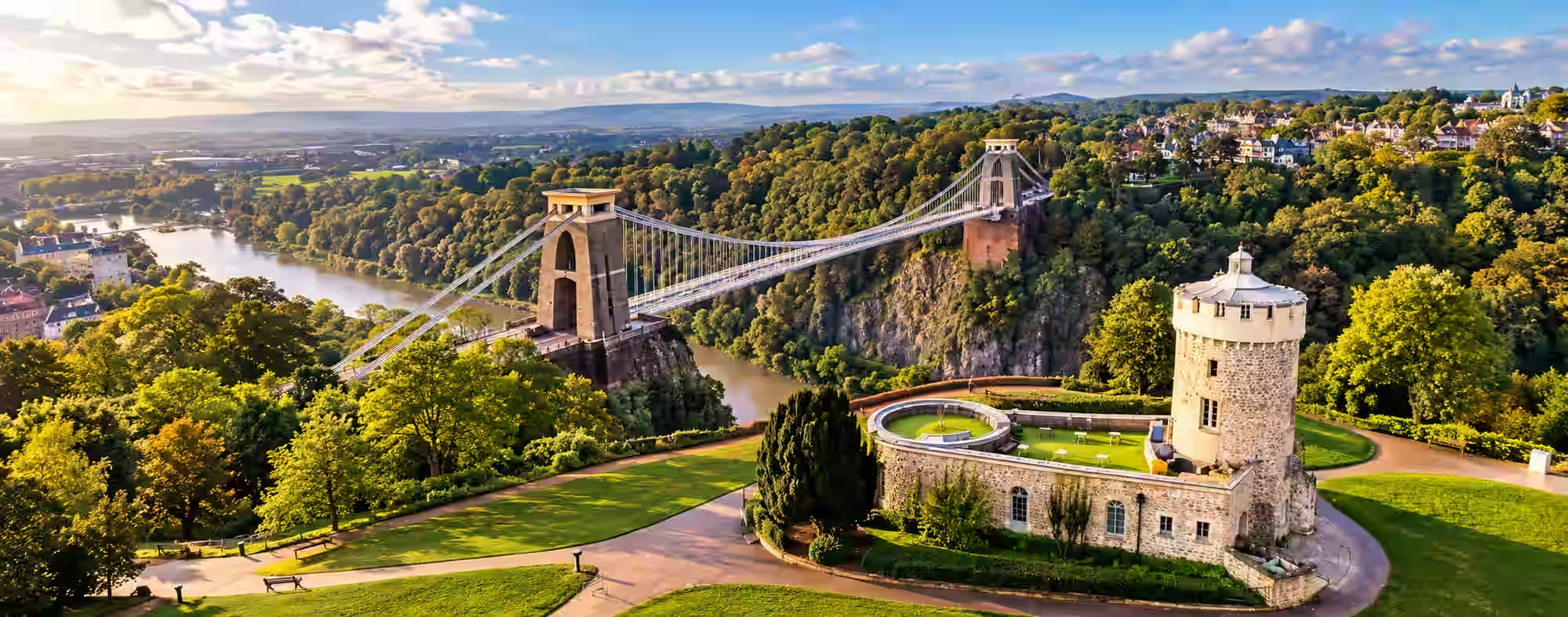

Somerset is one of England’s most distinctive counties, known for its historic cities, picturesque countryside, coastal towns and centuries-old traditions. However, the question of what county is Somerset in can cause confusion because the name is used for both a ceremonial county and a modern local government area.
Located in South West England, Somerset has a long history that stretches from Anglo-Saxon settlements to modern administrative reforms. Its boundaries have changed over time, particularly following the creation and eventual abolition of Avon.
Today, understanding Somerset’s location involves distinguishing between its geographical identity, ceremonial boundaries and local authorities. These differences explain why places such as Bath, Weston-super-Mare and Taunton are all associated with Somerset but are not necessarily governed by the same council.
What County Is Somerset In?
Somerset is itself a county in South West England. It is not located within another English county. Officially, Somerset is recognised as a ceremonial county, while the name also refers to the smaller administrative area governed by Somerset Council.
The ceremonial county includes three unitary authority areas:
- Somerset: Covering places such as Taunton, Bridgwater, Yeovil, Wells, Glastonbury and Frome.
- North Somerset: Including Weston-super-Mare, Clevedon, Portishead and Nailsea.
- Bath and North East Somerset: Including Bath, Keynsham, Radstock and surrounding communities.
All three areas belong to the ceremonial county of Somerset, although they have separate local government arrangements.
Somerset is part of the wider South West England region, alongside counties including Devon, Cornwall, Dorset, Wiltshire and Gloucestershire.
The distinction becomes clearer when considering how British counties and their modern boundaries differ from historical county identities.
What Are the Key Facts About Somerset?
Somerset combines a well-established historical identity with several administrative arrangements.
| Feature | Details |
| County name | Somerset |
| Country | England |
| UK region | South West England |
| County status | Historic and ceremonial county |
| County town | Taunton |
| Cities | Bath and Wells |
| Ceremonial county area | Approximately 4,171 square kilometres |
| Population | 965,424 at the 2021 Census, across the ceremonial county |
| Local authorities | Somerset Council, North Somerset Council, Bath and North East Somerset Council |
| Main coastal waterway | Bristol Channel |
| Major motorway | M5 |
| Famous landmarks | Cheddar Gorge, Glastonbury Tor, Wells Cathedral and the Roman Baths |
| Traditional industries | Agriculture, cider production, food manufacturing and tourism |
One particularly important distinction concerns population figures.
Somerset’s ceremonial county recorded approximately 965,000 residents in the 2021 Census. However, the smaller Somerset Council area had approximately 571,500 residents.
Both figures refer to Somerset, but they represent different geographical boundaries.
Where Exactly Is Somerset Located In England?
Somerset is situated in the south-western part of England, between the Bristol Channel and several neighbouring counties.
It lies south of the Bristol area, east of Devon, west of Wiltshire and north-west of Dorset.
Its location provides access to the wider West Country, major regional cities and the coastline overlooking the Bristol Channel.
The county includes a combination of rural landscapes, market towns, historic cities and coastal communities.
Its geographical position also makes it an important connecting area between Bristol, Bath, Exeter and other destinations across South West England.
Which Counties Border Somerset?
The ceremonial county of Somerset shares land boundaries with the following ceremonial counties:
| Neighbouring county | Position relative to Somerset |
| Devon | South-west |
| Dorset | South-east |
| Wiltshire | East |
| Gloucestershire | North and north-east |
| Bristol | North, along part of the North Somerset boundary |
To the north-west, Somerset meets the Bristol Channel, which separates much of its coastline from South Wales.
These neighbouring areas have important geographical and economic relationships with Somerset, particularly through transport, employment, tourism and local trade.
Is Somerset A County, City Or Region?
Somerset is a county, not a city or an English region.
It belongs to the official South West England region, which contains several counties and local authority areas.
The difference can be understood through three geographical classifications.
| Classification | Somerset’s position |
| Country | Part of England |
| Region | Part of South West England |
| County | Somerset is a ceremonial and historic county |
| Local government | Divided between three unitary authorities |
A county represents a geographical area with historical or administrative significance. A city is an officially recognised settlement, while a region is a much larger geographical division.
Somerset contains two cities, Bath and Wells, but these cities do not represent the entire county.
Taunton, Bridgwater and Yeovil are important towns rather than cities.
How Is Somerset Governed Today?
Somerset does not have one council responsible for every community within its ceremonial boundary.
Instead, three unitary authorities deliver local government services across different parts of the county.
1. Somerset Council
Somerset Council was established on 1 April 2023.
It replaced Somerset County Council and four district councils:
- Mendip District Council
- Sedgemoor District Council
- Somerset West and Taunton Council
- South Somerset District Council
The new authority brought major local government services together under one council.
It is responsible for services including education, social care, highways, waste collection, housing-related functions and local planning within its administrative area.
Communities such as Taunton, Bridgwater, Yeovil, Wells and Glastonbury fall within Somerset Council’s jurisdiction.
2. North Somerset Council
North Somerset Council operates independently of Somerset Council.
It provides local government services for communities including Weston-super-Mare, Clevedon, Nailsea and Portishead.
Although North Somerset is administratively separate, it remains part of the ceremonial county of Somerset.
This distinction explains why some addresses and organisations identify themselves with North Somerset rather than Somerset Council.
3. Bath And North East Somerset Council
Bath and North East Somerset Council administers the city of Bath and surrounding communities.
Its area includes Bath, Keynsham, Midsomer Norton, Radstock and nearby settlements.
It is a separate unitary authority but remains within Somerset’s ceremonial boundary.
The council also participates in regional partnerships connected with Bristol and South Gloucestershire.
These arrangements show why county identity and local government responsibility are not always identical.
Why Does Somerset Have Three Different Local Authorities?
Somerset’s three-authority arrangement developed through successive changes to England’s local government boundaries.
Historically, Somerset covered a large area that included communities now administered separately.
During the 1974 local government reorganisation, parts of northern Somerset became associated with the newly created county of Avon.
When Avon was abolished in 1996, North Somerset and Bath and North East Somerset became separate unitary authorities.
The remaining administrative Somerset area continued operating through a county council and district councils until the introduction of Somerset Council in 2023.
As a result, Somerset’s present structure combines historic county identity with local government boundaries created at different times.
The ceremonial county is larger than the area administered by Somerset Council.
This distinction is particularly important when identifying the correct council for public services, planning applications or local taxation.
How Has Somerset’s County Status Changed Over Time?
Somerset has existed as a recognisable geographical area for more than a thousand years, but its administrative boundaries have evolved considerably.
Understanding these changes helps explain the difference between historical Somerset and the modern county.
Anglo-Saxon Period
Somerset developed as a shire during the Anglo-Saxon period.
The county’s name originates from Old English references to the people of Somerton, an important early settlement.
Somerton was historically associated with Somerset’s administration before Taunton became established as the county town.
The region also played a significant role during the reign of King Alfred the Great, particularly during conflicts with Viking forces in the ninth century.
Alfred’s association with Athelney, in the Somerset Levels, remains an important part of the county’s historical identity.
Medieval Period
During the medieval period, Somerset developed important religious, agricultural and commercial centres.
Bath became known for its religious institutions and historic buildings, while Wells developed around its cathedral.
Glastonbury Abbey became one of medieval England’s most influential religious establishments.
Market towns expanded as agriculture, wool production and local commerce supported the regional economy.
1974 Local Government Reorganisation
Major boundary changes took effect on 1 April 1974.
The Local Government Act 1972 established Avon as a new administrative county.
Areas including Bath and much of northern Somerset were transferred into Avon.
The remaining administrative county of Somerset continued separately.
This reorganisation created distinctions between historical county boundaries and the authorities responsible for local services.
1996 Abolition Of Avon
Avon was abolished on 1 April 1996.
Its former territory was reorganised into four unitary authority areas: Bristol, South Gloucestershire, North Somerset, and Bath and North East Somerset.
North Somerset and Bath and North East Somerset became part of the ceremonial county of Somerset.
Bristol became a separate ceremonial county, while South Gloucestershire formed part of ceremonial Gloucestershire.
2023 Somerset Council Reorganisation
Another significant change took place on 1 April 2023.
Somerset County Council and its four district councils were replaced by Somerset Council.
This reform simplified local government within the administrative Somerset area.
However, it did not merge North Somerset or Bath and North East Somerset into Somerset Council.
Is Somerset Still Part Of Avon?
No. Somerset is not part of Avon, and Avon no longer exists as an administrative county.
Avon operated between 1974 and 1996, covering Bristol, Bath and surrounding communities.
Although the administrative county was abolished, the name remains familiar through organisations such as Avon and Somerset Police.
Some older addresses and documents may also contain references to Avon.
The continued use of the name can create confusion for people researching historical boundaries.
For example, the question of what county Bristol is in has a different answer from the county classification used for neighbouring Bath or Weston-super-Mare.
Bristol is an independent ceremonial county, whereas Bath and Weston-super-Mare fall within ceremonial Somerset.
What Is The County Town Of Somerset?
Taunton is the county town of Somerset.
Located in the western part of the county, Taunton has long served as an important administrative, commercial and transport centre.
The town developed through medieval trade and agriculture before expanding into a regional centre for public services, retail and employment.
Today, Taunton remains closely associated with Somerset’s administrative identity.
Its important features include:
- County-related administrative institutions and public services.
- Taunton Castle and the Museum of Somerset.
- Taunton railway station on major regional rail routes.
- County Ground, associated with Somerset County Cricket Club.
- Shopping centres, independent businesses and local markets.
- Road connections through the M5 motorway and surrounding routes.
Although Taunton is the county town, it is not Somerset’s largest urban settlement when the entire ceremonial county is considered.
Bath and Weston-super-Mare are also major population centres within ceremonial Somerset.
Is Bath Located In Somerset?
Yes. Bath is located within the ceremonial county of Somerset.
However, Bath is governed by Bath and North East Somerset Council rather than Somerset Council.
This distinction is important because Bath has a strong historical connection with Somerset but operates under a separate modern local authority.
Bath is internationally recognised for its Roman heritage, Georgian architecture and cultural attractions.
Its best-known landmarks include the Roman Baths, Bath Abbey, Royal Crescent and Pulteney Bridge.
The city also has a significant tourism, education and hospitality economy.
Its geographical relationship with Somerset is explained further through the history of which county Bath belongs to.
Bath remains one of Somerset’s two cities, alongside Wells.
Is Weston-super-Mare Part Of Somerset?
Yes. Weston-super-Mare is within the ceremonial county of Somerset.
It is administered by North Somerset Council, which is a separate unitary authority.
Weston-super-Mare developed into a popular seaside resort during the nineteenth century, benefiting from expanding railway connections and domestic tourism.
Today, it remains an important coastal town with residential neighbourhoods, visitor attractions and businesses.
Its main attractions include the Grand Pier, Marine Lake and extensive seafront.
The town also provides convenient access to Bristol and surrounding areas through the M5 motorway and regional railway services.
Although Weston-super-Mare is not governed by Somerset Council, it is geographically and ceremonially part of Somerset.
Which Are The Major Towns And Cities In Somerset?
Somerset contains historic cities, traditional market towns, seaside resorts and expanding residential communities.
These settlements contribute differently to the county’s economy, tourism and cultural identity.
| Town or city | Local authority | Known for |
| Bath | Bath and North East Somerset | Roman heritage and Georgian architecture |
| Wells | Somerset Council | Cathedral and medieval heritage |
| Taunton | Somerset Council | County town and administrative centre |
| Bridgwater | Somerset Council | Manufacturing, engineering and transport |
| Yeovil | Somerset Council | Aerospace and engineering |
| Frome | Somerset Council | Independent shops, markets and arts |
| Glastonbury | Somerset Council | Abbey, Tor and cultural heritage |
| Minehead | Somerset Council | Coastline and access to Exmoor |
| Weston-super-Mare | North Somerset Council | Seaside tourism |
| Clevedon | North Somerset Council | Victorian pier and coastal scenery |
| Portishead | North Somerset Council | Marina and Bristol Channel waterfront |
| Keynsham | Bath and North East Somerset | Location between Bath and Bristol |
Each town has its own characteristics.
For example, Bridgwater has an established industrial and commercial base, while Frome is recognised for its independent businesses and creative community.
Visitors exploring the area’s food culture can find a range of restaurants in Bridgwater, including traditional British venues and international dining options.
Frome also provides a distinctive local experience, with independent cafés and some of the best breakfast spots in Frome concentrated around its historic streets.
How Large Is Somerset Compared With Other English Counties?
Somerset is one of England’s larger ceremonial counties by geographical area.
The ceremonial county covers approximately 4,171 square kilometres, equivalent to around 1,610 square miles.
However, its population is spread unevenly across cities, towns, villages and rural communities.
Northern areas around Bath, Weston-super-Mare and Bristol’s neighbouring settlements have substantial urban populations.
Much of central, western and southern Somerset remains rural.
The county includes agricultural land, wetlands, upland landscapes, woodland and coastal environments.
This combination means Somerset has both developed urban centres and extensive areas with relatively low population density.
How Many People Live In Somerset?
At the 2021 Census, the ceremonial county of Somerset had a population of approximately 965,400.
The area administered by Somerset Council recorded approximately 571,500 residents.
The difference arises because the ceremonial county includes North Somerset and Bath and North East Somerset.
Consequently, population comparisons must identify which geographical boundary is being measured.
Figures describing Somerset Council should not automatically be treated as figures for the entire ceremonial county.
What Is Somerset’s Geography Like?
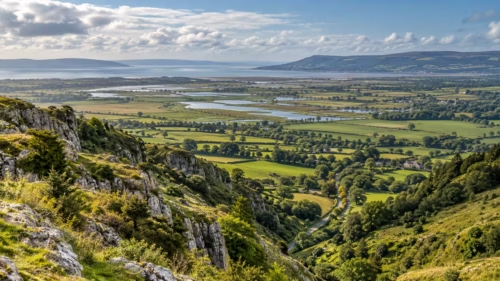
Somerset has one of the most varied landscapes in South West England.
Its geography ranges from hills and wooded valleys to extensive wetlands, agricultural plains and coastal settlements.
Several distinctive natural areas shape the county’s environment.
1. The Mendip Hills
The Mendip Hills extend across northern Somerset.
They are known for limestone landscapes, caves, rocky valleys and scenic walking routes.
Cheddar Gorge is one of the most recognisable geographical features in the Mendips.
The area supports tourism, outdoor recreation and farming.
2. The Somerset Levels
The Somerset Levels form an extensive low-lying landscape across central Somerset.
The area contains wetlands, agricultural land, rivers and drainage channels.
Historically, these landscapes influenced how communities developed and how farmland was managed.
Some areas are particularly vulnerable to flooding, making water management an important part of regional planning.
The Levels also provide habitats for birds and other wildlife.
3. The Quantock Hills
The Quantock Hills are situated in western Somerset, north of Taunton.
They feature wooded valleys, heathland, open ridges and views towards the Bristol Channel.
The hills are recognised as a National Landscape, a designation formerly known as an Area of Outstanding Natural Beauty.
Walking, cycling and nature tourism are particularly important recreational activities here.
4. Exmoor National Park
Exmoor National Park extends across western Somerset and northern Devon.
Its landscapes include moorland, valleys, woodland and a dramatic coastline.
Minehead, Porlock and surrounding villages provide access to its walking routes and natural attractions.
Exmoor is also recognised for its wildlife and dark skies.
5. The Blackdown Hills
The Blackdown Hills extend across parts of Somerset and Devon.
This landscape contains farmland, woodland, hills and historic villages.
Its relatively undeveloped countryside provides an important contrast to Somerset’s larger towns.
Together, these geographical features make Somerset an important destination for outdoor tourism and countryside recreation.
Does Somerset Have A Coastline?
Yes. Somerset has a coastline along the Bristol Channel and the Severn Estuary.
Its coastal landscapes vary considerably, from wide sandy beaches and tidal mudflats to rocky shores and traditional seaside towns.
Well-known coastal destinations include:
- Weston-super-Mare: A traditional seaside resort with a large sandy beach.
- Minehead: A coastal town providing access to Exmoor.
- Burnham-on-Sea: Known for its long seafront and distinctive lighthouse.
- Clevedon: Recognised for its Victorian pier and coastal views.
- Watchet: A historic harbour town.
- Porlock Weir: A small coastal settlement surrounded by Exmoor scenery.
- Brean: A popular coastal destination with extensive sandy areas.
Somerset’s coastline is also influenced by the Bristol Channel’s exceptionally large tidal range.
Visitors should pay attention to local tide conditions, especially around mudflats and beaches where water levels can change considerably.
For pet owners, several dog-friendly beaches in Somerset provide opportunities for coastal walks, although seasonal restrictions may apply.
What Is Somerset Best Known For?
Somerset is recognised for its historic landmarks, countryside, food production and cultural traditions.
Several attractions have become particularly closely associated with the county.
1. Cheddar Gorge
Cheddar Gorge is one of Somerset’s best-known natural landmarks.
Located in the Mendip Hills, it features towering limestone cliffs, caves and walking routes.
The surrounding village of Cheddar is also associated with the origins of Cheddar cheese.
2. Glastonbury Tor
Glastonbury Tor rises above the Somerset Levels and is one of the county’s most recognisable landmarks.
The hill is crowned by St Michael’s Tower and has longstanding associations with religious history, folklore and Arthurian legend.
It provides panoramic views of the surrounding countryside.
3. Wells Cathedral
Wells Cathedral is one of England’s important medieval religious buildings.
The cathedral is particularly recognised for its Gothic architecture, sculptural details and historic clock.
Its location within the compact city of Wells helps give the city its distinctive historic character.
4. The Roman Baths
Located in Bath, the Roman Baths preserve evidence of Roman bathing culture around the city’s natural hot springs.
The site contributes to Bath’s international reputation as a heritage destination.
Surrounding Georgian architecture further distinguishes the city from other Somerset settlements.
5. Dunster Castle
Dunster Castle overlooks the historic village of Dunster in western Somerset.
The site has a long history and is surrounded by gardens, woodland and views towards Exmoor.
Its architecture reflects changes made over several centuries.
6. Glastonbury Festival
Glastonbury Festival is one of the world’s best-known contemporary music festivals.
Despite its name, the festival takes place at Worthy Farm in Pilton, near Glastonbury.
It has become an internationally recognised cultural event associated with Somerset.
For a wider selection of attractions, the best things to do in Somerset include historic buildings, natural landmarks, countryside experiences and family activities.
Why Is Somerset Famous For Cider And Cheddar Cheese?
Agriculture has shaped Somerset’s economy and cultural identity for centuries.
The county’s farming heritage is particularly associated with apple growing, cider production and cheese-making.
Somerset’s orchards have supported traditional cider-making, with many producers using locally grown apple varieties.
Cider remains an important part of the county’s food culture and rural economy.
Cheddar cheese has an equally strong geographical association with Somerset.
The village of Cheddar gave its name to the cheese, although Cheddar is now produced across Britain and internationally.
Traditional West Country Farmhouse Cheddar holds protected geographical status when produced according to its specified requirements.
Other well-known Somerset traditions include:
- Bridgwater Guy Fawkes Carnival: A major illuminated carnival event.
- Glastonbury Festival: An internationally recognised music and arts festival.
- Agricultural shows: Events celebrating farming, livestock and regional produce.
- Traditional markets: Local markets featuring independent traders and producers.
- Somerset folk traditions: Cultural practices involving music, dance and local celebrations.
These traditions reinforce Somerset’s regional identity beyond its formal geographical boundaries.
How Important Is Somerset’s Economy To South West England?
Somerset supports a diverse economy combining traditional industries with modern manufacturing, energy, tourism and professional services.
Its economic importance extends beyond agriculture.
Agriculture And Food Production
Farming remains an important industry throughout the county.
Somerset supports dairy farming, livestock production, arable agriculture and food processing.
The county’s rural landscape also contributes to tourism and the wider hospitality sector.
Manufacturing And Engineering
Manufacturing provides employment in several Somerset towns.
Yeovil has a longstanding aerospace and helicopter engineering heritage.
Bridgwater and surrounding areas support industrial businesses, logistics and engineering activities.
Energy And Infrastructure
Hinkley Point C, located on the Somerset coast near Bridgwater, represents a major energy infrastructure project.
Its construction supports employment, engineering activity and supply-chain businesses.
The project also demonstrates Somerset’s role in Britain’s wider energy sector.
Tourism And Hospitality
Tourism is an important contributor to the local economy.
Bath’s historic architecture, Glastonbury’s cultural reputation, Wells Cathedral, Exmoor and the county’s coastline attract domestic and international visitors.
Accommodation providers, restaurants, visitor attractions and independent businesses benefit from these activities.
Those planning an extended visit can explore different places to stay in Somerset, from countryside accommodation to hotels in historic cities.
How Well Connected Is Somerset To Other Parts Of England?
Somerset has important road, railway and air transport connections that link it with neighbouring counties and major cities.
Its position between Bristol and Devon makes it a significant transport corridor through the South West.
Road Connections
The M5 motorway is one of Somerset’s most important roads.
It provides connections north towards Bristol and the Midlands, and south towards Devon.
Other important routes include:
- A303: An important east-west route connecting southern Somerset with London-bound routes and the wider South West.
- A37: Connects locations including Bristol, Wells and Yeovil.
- A39: Provides connections between Bath, Wells, Bridgwater and parts of the western county.
- A38: Links major settlements including Bridgwater, Taunton and Bristol.
- A358: Connects Taunton with areas of south Somerset and routes towards the A303.
These roads support tourism, commuting, commercial transport and agricultural logistics.
Rail Connections
Somerset has railway connections serving several major towns and cities.
Important stations include Taunton, Bridgwater, Castle Cary, Bath Spa and Weston-super-Mare.
Rail services provide connections towards Bristol, London, Exeter and other destinations.
The West Somerset Railway also operates as a heritage railway attraction, contributing to local tourism.
Air Connections
Bristol Airport is a major airport serving Somerset and the wider South West.
Although named after Bristol, the airport is geographically located in North Somerset.
Exeter Airport provides another option for residents and visitors in the southern and western parts of the county.
Public Transport
Bus services connect Somerset’s towns, cities and many surrounding villages.
However, service frequency and availability vary considerably between urban and rural communities.
Residents in more remote areas may depend more heavily on private vehicles, community transport or limited bus routes.
Does Somerset Have Its Own Postcode?
Somerset does not have one postcode covering the entire county.
Instead, different areas use postcode districts associated with nearby postal towns and distribution networks.
Examples include:
| Area | Common postcode prefix |
| Taunton | TA |
| Bridgwater | TA |
| Yeovil | BA |
| Bath | BA |
| Wells | BA |
| Frome | BA |
| Weston-super-Mare | BS |
| Clevedon | BS |
| Portishead | BS |
| Glastonbury | BA |
These are postcode area prefixes rather than complete postcodes.
It is important to understand that postal geography does not always correspond with county boundaries.
For example, a Somerset address may use a BS postcode even though Bristol is a separate ceremonial county.
Similarly, some Somerset towns use BA postcodes despite being located outside Bath and North East Somerset Council’s area.
Postal addressing conventions should therefore not be treated as definitive evidence of a property’s administrative county.
What Does Somerset’s County Status Mean For Residents?
Somerset’s county structure affects local government responsibilities, public services and certain administrative processes.
However, ceremonial county identity does not determine which council provides household services.
Residents must use their relevant local authority according to their property’s location.
| Service | Why local authority boundaries matter |
| Council tax | Collected and administered by the relevant billing authority |
| Waste collection | Arranged by the relevant local council |
| Planning applications | Handled by the appropriate planning authority |
| Housing services | Managed according to the responsible local authority |
| Social care | Provided through relevant local government arrangements |
| Education | Local authority responsibilities depend on the area |
| Highways | Maintenance responsibilities depend on road classification and location |
For instance, somebody living in Weston-super-Mare normally deals with North Somerset Council for local authority services.
A resident in Bath generally deals with Bath and North East Somerset Council.
Meanwhile, someone living in Taunton or Bridgwater usually falls under Somerset Council.
This distinction is important when moving home, contacting public authorities or researching local government responsibilities.
Why Does Somerset’s County Identity Still Cause Confusion?
Somerset’s county identity can appear complicated because several geographical and administrative terms overlap.
The most common source of confusion is the difference between ceremonial Somerset and the smaller Somerset Council area.
Many people assume that every town within Somerset must be administered by Somerset Council.
However, this is not the case.
Bath and Weston-super-Mare remain within the ceremonial county but are governed independently.
The former county of Avon creates further uncertainty because its name still appears in organisations, historical records and older addresses.
Bristol’s separate county status adds another distinction, particularly because the city is geographically surrounded by areas with strong historical links to Somerset and Gloucestershire.
The simplest way to understand Somerset is to distinguish between three concepts:
- Historic Somerset: The county’s traditional geographical and cultural identity.
- Ceremonial Somerset: The modern ceremonial county encompassing three unitary authorities.
- Administrative Somerset: The smaller area currently served by Somerset Council.
Once these differences are understood, the geographical relationship between Somerset, Bath, Bristol, Weston-super-Mare and surrounding counties becomes considerably clearer.
FAQs
Is Somerset In Devon?
No. Somerset and Devon are separate ceremonial counties in South West England. They share a boundary, particularly around Exmoor and the Blackdown Hills.
Is Somerset In Gloucestershire?
No. Somerset is an independent ceremonial county. Gloucestershire is a neighbouring county to the north and north-east.
Is Somerset In The South West Of England?
Yes. Somerset is located in the official South West England region, alongside Devon, Cornwall, Dorset, Wiltshire and Gloucestershire.
Is Taunton The Capital Of Somerset?
Taunton is Somerset’s county town, not its capital. English counties do not generally have capitals in the same sense as countries.
Is Wells The Smallest City In England?
Wells is one of England’s smallest cities and is widely recognised for its compact historic centre and cathedral. The exact ranking depends on whether population or geographical area is used.
Is Glastonbury A Town In Somerset?
Yes. Glastonbury is a historic town within the Somerset Council area. It is best known for Glastonbury Tor, Glastonbury Abbey and its cultural associations.
Is North Somerset A Separate County?
North Somerset is a separate unitary authority area, but it is not a separate ceremonial county. It forms part of ceremonial Somerset.
Is Somerset The Same As Somersetshire?
Somersetshire is an older name for Somerset. The modern county is officially referred to as Somerset.
What Is The Difference Between Somerset And South Somerset?
Somerset is the name of the county. South Somerset was also the name of a former district council area, which became part of the new Somerset Council in April 2023.
Is Bristol Airport In Somerset?
Yes. Bristol Airport is located in North Somerset, within the ceremonial county of Somerset, rather than inside Bristol’s own administrative boundary.